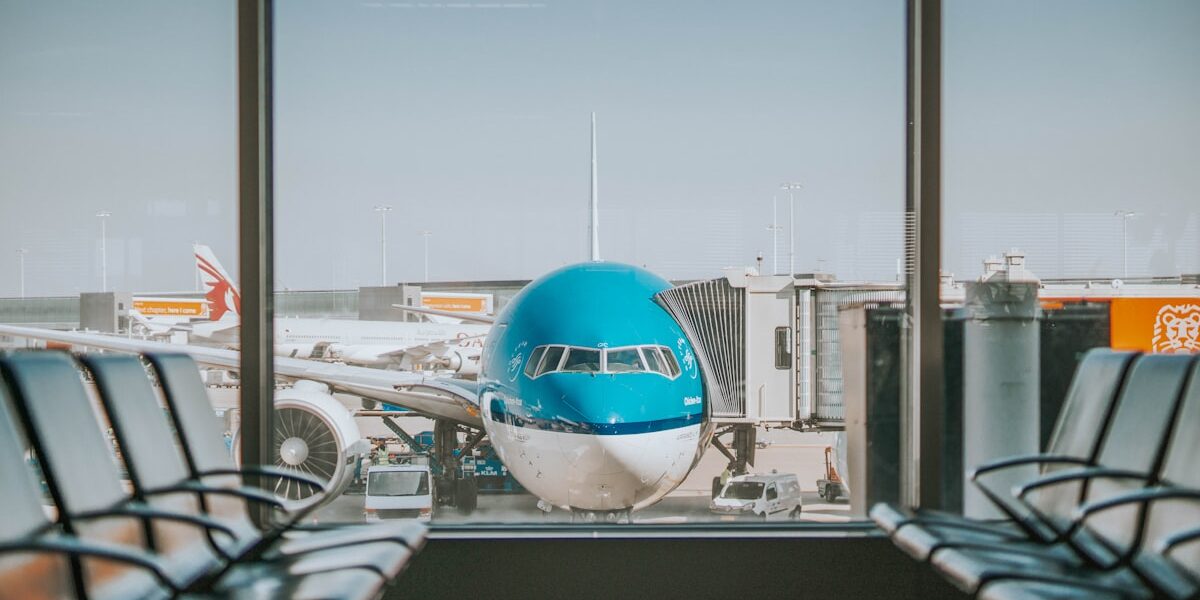

San Jose Airport: An Overview
Airport navigation has gotten complicated with all the terminal changes, TSA program updates, and Silicon Valley traffic patterns flying around. As someone who has spent significant time transiting Norman Y. Mineta San Jose International Airport, I learned everything there is to know about moving through SJC efficiently. Today, I will share it all with you.
But what is SJC, really? In essence, it’s the primary commercial gateway for Silicon Valley — a mid-sized airport serving one of the world’s most economically productive regions. But it’s much more than a geographic convenience. For the tech industry’s constant flow of business travelers, SJC provides a viable alternative to the chaos of SFO without the inconvenient distance of OAK.
History and Development
San Jose Municipal Airport opened in 1945. In 2001, it was renamed Norman Y. Mineta San Jose International Airport in honor of Norman Y. Mineta, who served as both Secretary of Commerce and Secretary of Transportation. That was 1945 — over eight decades of aviation service to the South Bay. Two main terminals, A and B, handle a significant volume of domestic and international traffic today.
Facilities and Services
Both terminals are equipped with shops, restaurants, and lounges. Free Wi-Fi is available throughout the facility. Business travelers can use conference rooms and workstations — a practical acknowledgment that the airport’s primary customer base is often working between meetings. Information kiosks and customer service desks are positioned throughout both terminals for navigation assistance.
Shopping and Dining
That’s what makes SJC endearing to frequent travelers: the food and retail options are practical rather than pretentious. Starbucks, Peet’s Coffee, California Pizza Kitchen — recognizable, reliable, and functional for someone who needs coffee and 20 minutes before boarding. Hudson News and duty-free retail cover the essentials. No one is coming to SJC for the airport dining experience, but no one is leaving hungry either.
Accessibility
SJC is designed to accommodate passengers with disabilities. Ramps, elevators, and accessible restrooms are available throughout both terminals. Wheelchair assistance is available. Accessible parking is designated. Service animal facilities are provided. First, you should contact SJC directly if you have specific accessibility requirements — at least to confirm current service availability for your travel date.
Transportation and Parking
Getting to and from SJC involves a range of options depending on where you’re coming from in the Bay Area.
Rental Cars
A dedicated Rental Car Center houses multiple major companies and connects to the terminals via shuttle. There is a wide variety of vehicle classes available — everything from compact economy cars to full-size SUVs depending on your Silicon Valley meeting schedule and luggage situation.
Taxis and Rideshares
Uber and Lyft have designated pick-up and drop-off areas outside each terminal. Taxis are available but rideshare is the dominant ground transport mode for SJC’s traveler demographic. The designated zones keep the flow reasonably orderly, though peak arrival times create wait queues.
Public Transportation
VTA bus lines serve the airport. Light rail provides connections to other parts of Silicon Valley. Caltrain offers a commuter rail option for destinations farther up the Peninsula toward San Francisco. The public transit connections aren’t as seamless as some Bay Area airports, but they’re functional for travelers willing to add transfer time to their journey.
Parking Options
Multiple lots and garages offer short-term and long-term parking within walking distance of the terminals. A shuttle runs between parking areas and the terminal buildings. Hourly, daily, and economy rates are available. I’m apparently someone who checks airport parking rates further in advance than is strictly necessary, and SJC’s pricing is competitive with Bay Area alternatives.
Security and Customs
TSA handles passenger and baggage screening at all checkpoints. The standard recommendation applies: arrive at least two hours before domestic departures and three hours before international flights. Don’t make my mistake of assuming Silicon Valley’s general efficiency somehow accelerates TSA checkpoint processing — it doesn’t.
Global Entry and TSA PreCheck
SJC participates in both Global Entry and TSA PreCheck. Dedicated lanes for enrolled travelers reduce wait times and simplify the screening process considerably. If you travel through SJC regularly and don’t have PreCheck, enrolling is worth the time and modest cost — at least if you want to stop removing your shoes and laptop at every security checkpoint.
Flight Operations and Airlines
Major carriers at SJC include American Airlines, Delta Air Lines, Southwest Airlines, and United Airlines. International carriers including Air Canada and British Airways provide connections beyond North America. The route network covers domestic destinations coast to coast and a selection of international routes for the significant number of SJC travelers who need connections to Canada, Mexico, and Europe.
Domestic Flights
Frequent service to Los Angeles, New York, Seattle, and other major markets gives Silicon Valley travelers practical access to the national network without the congestion of SFO. The domestic schedule is built around business travel patterns — heavy Monday and Friday traffic, lighter midweek, predictably brutal around major holidays.
International Flights
Direct connections to Vancouver, Mexico City, and London serve the international travel needs of the Bay Area’s global technology workforce. These routes offer the standard amenities — in-flight entertainment, meal service — appropriate for the flight lengths involved.
Future Expansion Plans
Infrastructure investment at SJC is ongoing. Adding gates, upgrading facilities, and improving passenger amenities are the current priorities. The goal is capacity growth that keeps pace with Silicon Valley’s traffic demands without creating the congestion that makes SFO consistently frustrating for its users.
Environmental Initiatives
Energy-efficient lighting, water conservation, recycling programs, and encouragement of public transit use reflect SJC’s sustainability commitments. Also worth noting is that newer, more fuel-efficient aircraft operating the routes through SJC carry inherent environmental improvements over the platforms they replace.
Community Involvement
The airport hosts events, school tours, and community programs aimed at aviation education and public engagement. These initiatives build the kind of community goodwill that supports the airport’s long-term operational and development goals.
Tips for Travelers
- Download the airport app for real-time flight updates and gate information.
- Arrive early during peak travel seasons — SJC is smaller than SFO but still experiences holiday congestion.
- Take advantage of the Wi-Fi and workstation facilities if you have time before boarding.
- Check the airport website for current parking availability and rates before you leave for the airport.
- Enroll in TSA PreCheck or Global Entry if SJC is a regular transit point — the time savings compound across trips.