Today, I will share it all with you.
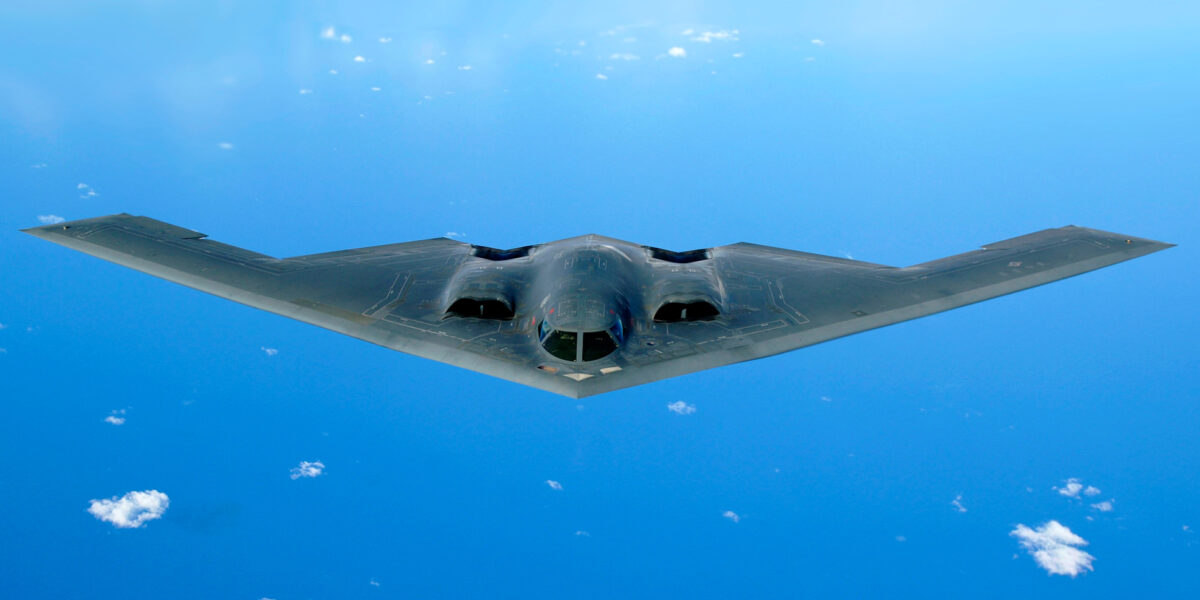
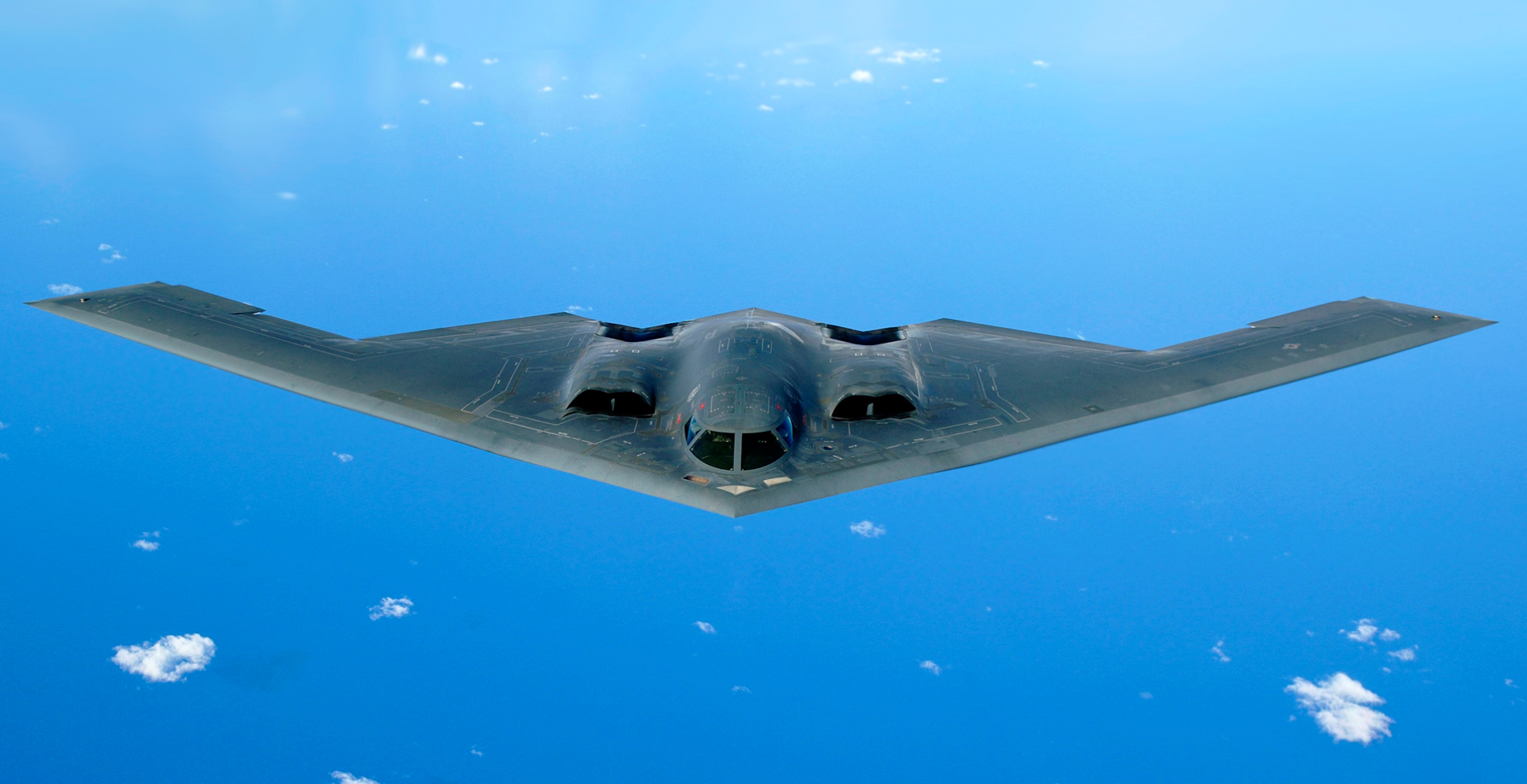
The B-2 Spirit — you’ve probably heard it called the Stealth Bomber — sits at the very top of what military aviation has achieved. It was built to slip through the densest anti-aircraft defenses on the planet, relying on that iconic flying-wing shape and radar-absorbing materials to stay invisible. But here’s the thing most people overlook: the real magic isn’t just the airframe. It’s the cockpit. That’s where everything comes together. And understanding what’s going on inside that cockpit tells you more about this airplane than any spec sheet ever could.
Design and Layout
So let’s start with the basics. The B-2 cockpit seats two people side by side — a pilot on the left and a mission commander on the right. That’s it. Two crew members running one of the most advanced weapon systems ever created. The layout is compact, sure, but there’s enough room for both of them to work comfortably through missions that can stretch well past 30 hours.
They sit under a glass canopy that gives them solid forward visibility. I’ve always found it interesting that despite all the high-tech screens and electronics packed in there, Northrop Grumman managed to keep the whole thing looking relatively clean and uncluttered. It doesn’t look chaotic the way you might expect. There’s an order to it that makes sense once you understand the workflow.
Advanced Avionics
The avionics suite in the B-2 is where things get genuinely wild. Multifunction displays dominate the instrument panel — we’re talking large color screens that show everything from navigation data to radar returns to targeting information, all layered and fused together. Pilots can reconfigure these displays on the fly depending on what phase of the mission they’re in.
The flight controls are entirely fly-by-wire. There’s no mechanical linkage between the stick and the control surfaces. Everything runs through computers. That might sound nerve-wracking, but it’s actually what allows the B-2 to fly at all — the flying wing design is inherently unstable, so the computers make thousands of corrections per second to keep it stable. Without fly-by-wire, this aircraft simply couldn’t exist. I find that detail fascinating every time I think about it.
Stealth Technologies in the Cockpit
Here’s something a lot of people don’t realize: the cockpit itself is engineered as part of the stealth package. It’s not just the outer skin that matters. The shape of the canopy, the materials used in the glass, the way the instrument panel is arranged — all of it is designed to minimize the radar cross-section. Even the electronic emissions from cockpit instrumentation are carefully managed so they don’t give the aircraft away.
There’s built-in redundancy throughout, too. If one system goes down in a hostile environment, backups kick in. Every single feature, right down to the smallest switch, contributes to that overarching goal of staying invisible.
Life Support and Ergonomics
This is where the practical reality of flying the B-2 really hits you. These missions are long. I’m talking 40+ hours in some cases, with aerial refueling keeping the bird airborne. So the cockpit has to function almost like a tiny living space. It’s fully pressurized and climate-controlled, obviously, but they’ve gone well beyond that.
The seats are ergonomically designed to reduce fatigue over extended periods. There are provisions for crew rest — one pilot can take a break while the other flies. They’ve even thought about food and personal care needs. There’s a small area behind the seats with basic amenities. It’s not luxurious by any stretch, but it’s enough to keep two people functional and alert through a mission that could take them halfway around the world and back without landing.
Communication Systems
You can’t run a strategic bombing mission without rock-solid communications, and the B-2’s cockpit delivers on that front. It’s fitted with multiple secure communication systems that allow real-time data exchange with command centers, other aircraft, and ground units. Everything is encrypted, naturally.
What impresses me most is that these systems are built to work even when someone’s actively trying to jam them. Electronic warfare is a real threat, and the B-2’s comms are designed to push through it. The crew can receive updated targeting data mid-mission, coordinate with other assets, and maintain contact with strategic command — all while staying covert. That’s a seriously difficult engineering challenge, and they’ve pulled it off.
Navigation Aids
Navigation in the B-2 relies on a combination of GPS and inertial navigation systems working together. The inertial system is the backup — it tracks the aircraft’s position using internal sensors, no external signals needed. That matters because GPS can potentially be jammed or spoofed in a contested environment.
The cockpit also features terrain-following capabilities that let the aircraft fly at low altitude with confidence. Advanced mapping software helps crews plan and execute routes with extreme precision. I’ve read accounts from former B-2 pilots who’ve described crossing entire continents at night, navigating to a precise release point, and hitting targets within feet of where they intended. The navigation suite makes that possible.
Combat and Defense Instrumentation
The weapons management systems in the B-2 cockpit give the crew control over a seriously impressive arsenal. We’re talking precision-guided munitions — JDAMs, B61 nuclear gravity bombs, massive ordnance penetrators. The targeting systems let pilots place weapons with pinpoint accuracy, even from high altitude.
Defensive countermeasures are integrated as well, though the Air Force keeps the specifics close to the chest. What we do know is that the crew has awareness of threats around them and can employ countermeasures if the stealth isn’t enough. The fusion of offensive firepower and defensive capability in a single cockpit is part of what makes the B-2 so formidable. Pilots have comprehensive control over each phase of a combat scenario from their seats.
Training and Simulation
Nobody just hops into a B-2 and starts flying it. The training pipeline is intense and prolonged. High-fidelity simulators at Whiteman Air Force Base replicate the cockpit environment down to the smallest detail. Crews can practice everything from routine flights to complex combat scenarios without ever leaving the ground.
I’ve spoken with people familiar with the training program, and they describe it as one of the most demanding in the Air Force. There’s good reason for that — the systems are complex, the missions are high-stakes, and mistakes aren’t an option when you’re flying a $2 billion aircraft. Continuous training keeps crews sharp and adaptable as tactics and threats evolve over time.
Maintenance and Upgrades
Keeping a B-2 cockpit in fighting shape is no small task. The avionics and flight systems require meticulous, regular maintenance. Every component gets checked on strict schedules. When you’re dealing with an aircraft that costs this much, there’s zero tolerance for shortcuts.
The cockpit has also received periodic upgrades over the years. New processors, updated displays, improved software — the Air Force has steadily modernized the B-2’s innards to keep it relevant. The original cockpit from the late ’80s and early ’90s has evolved considerably. This continuous development is what’s kept the Spirit viable as a front-line bomber for over three decades now.
Final Thoughts
The B-2 Spirit’s cockpit is honestly one of the most impressive examples of engineering integration I’ve ever come across in aviation. Every element — from the avionics to the life support to the stealth features — works together as a unified system. It’s a cockpit built for two people to fly across the world undetected and execute some of the most sensitive missions in the military’s playbook.
I don’t think we’ll see anything quite like the B-2 again, even with the B-21 Raider coming online. It was a product of its time, born from Cold War urgency and unlimited ambition. And that cockpit, where all of it comes together, tells the whole story if you know what you’re looking at.
Recommended Aviation Gear
David Clark H10-13.4 Aviation Headset – $376.95
The industry standard for aviation headsets, trusted by pilots worldwide.
Pilot’s Handbook of Aeronautical Knowledge – $25.42
The official FAA handbook – essential reading for every pilot.
As an Amazon Associate, we earn from qualifying purchases.



Stay in the loop
Get the latest aviation news updates delivered to your inbox.