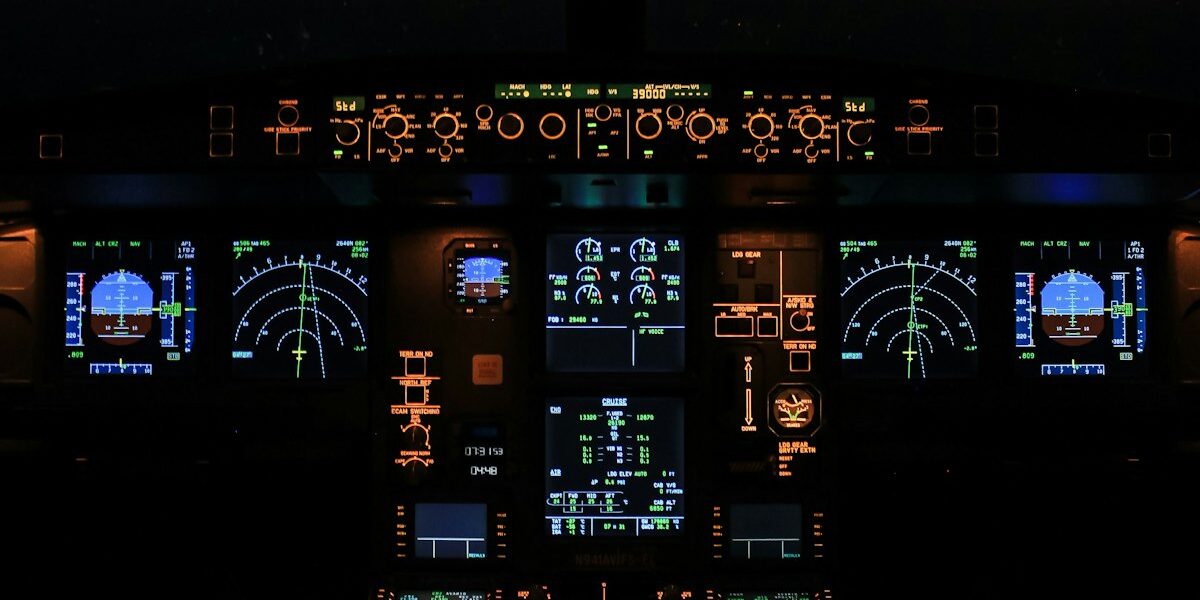
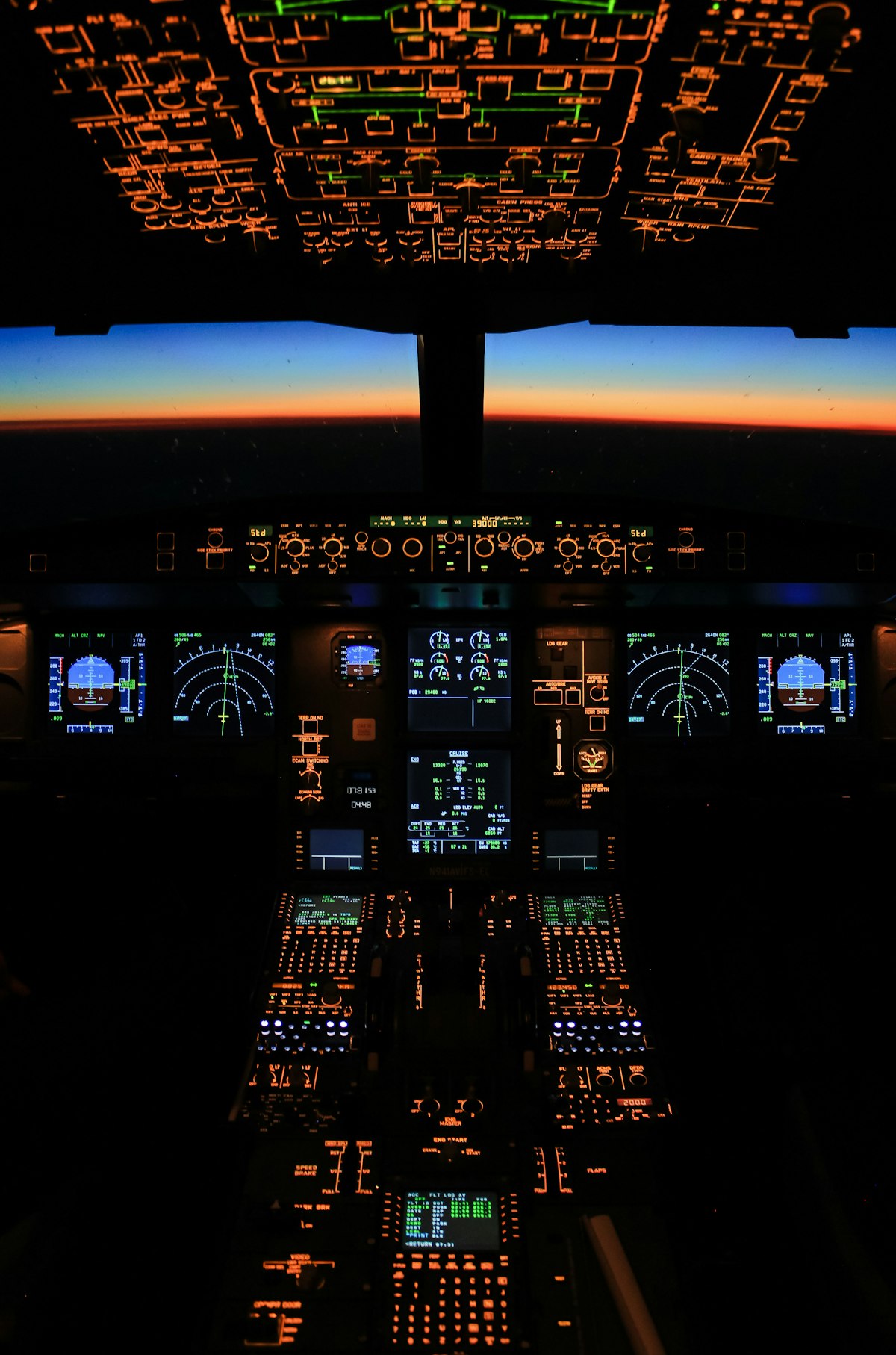
The Federal Aviation Administration (FAA) issued new guidance today requiring enhanced cockpit door security measures for all U.S. commercial aircraft operating internationally.
New Requirements
The updated regulations mandate secondary barriers be installed on all aircraft conducting international passenger operations by January 2027. These barriers provide an additional layer of protection when cockpit doors are opened during flight.
Airlines that have not yet equipped their fleets will need to submit compliance plans within 90 days.
Industry Response
Major carriers including American Airlines, United, and Delta report that approximately 60% of their international fleet already meets the new standards. The remaining aircraft will require retrofitting at an estimated cost of $50,000 to $75,000 per plane.
Airlines for America, the industry trade group, expressed support for the measure while noting the implementation timeline is “aggressive but achievable.”
Background
The FAA has been evaluating cockpit security enhancements since 2019, working with aircraft manufacturers and security experts to develop cost-effective solutions that don’t impede emergency egress.
The secondary barrier systems approved under the new rule include lightweight mesh or rigid panel designs that crew members can quickly deploy and retract as needed.
What’s Next
Airlines must submit their compliance plans to the FAA by March 31, 2026, detailing installation schedules and any requested exemptions for specific aircraft types nearing retirement.
The rule does not currently apply to domestic-only operations, though the FAA indicated it may extend the requirement in the future.


Stay in the loop
Get the latest aviation news updates delivered to your inbox.