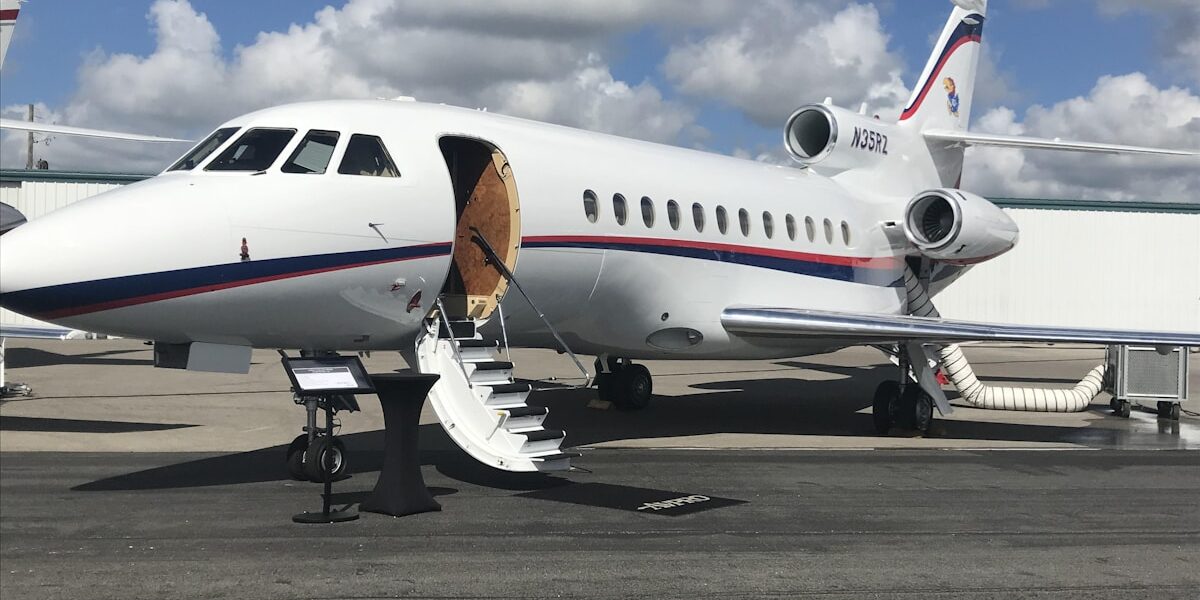
Today, I will share it all with you.
But what is the Boeing 737-10, really? In essence, it’s the stretched, high-capacity variant of the 737 MAX family — a 230-seat narrow-body designed to compete directly with the Airbus A321neo in the high-density short-to-medium-haul market segment. But it’s much more than a bigger 737. For airlines that need the economics of a narrow-body with the capacity of a larger aircraft, the 737-10 represents Boeing’s answer to the segment that the A321 family has dominated for years.
Dimensions and Capacity
At 143 feet 8 inches long, the 737-10 is the longest 737 ever built. Maximum seating capacity reaches 230 passengers in a high-density single-class configuration; typical two-class configurations seat 188-204 passengers. That capacity puts the 737-10 in direct competition with the A321neo’s passenger count — the comparison that airline fleet planners are making when they evaluate which aircraft to order for their high-density routes. The 737-10’s extra stretch over the -9 variant is what closes the capacity gap with the A321.
Performance and Range
CFM International LEAP-1B engines power the 737-10, delivering the fuel efficiency improvements that define the MAX series over previous-generation 737s. Maximum range is approximately 3,300 nautical miles — sufficient for transcontinental U.S. routes and many intra-regional European routes, though shorter than the A321XLR’s range which targets a different mission set. The fuel burn per seat is the metric that matters most for airline economics, and the LEAP-1B engines deliver meaningful improvement over the CFM56s in the previous 737 generation.
Technological Advancements
Advanced winglets — the split scimitar design carried over from the MAX program — reduce induced drag and improve fuel efficiency at cruise altitudes. The Sky Interior cabin design includes Boeing’s modern LED lighting system, larger overhead bins with more volume per passenger than earlier 737 interiors, and refined cabin architecture that improves the passenger environment in ways that matter for passenger experience scoring. Advanced avionics and navigation systems in the flight deck reflect the MAX program’s cockpit modernization.
The MCAS Context and Safety
The 737 MAX’s history with the Maneuvering Characteristics Augmentation System — responsible for two fatal accidents in 2018-2019 that grounded the entire MAX fleet globally — is the inescapable context for any MAX variant discussion. The MCAS was redesigned before the MAX’s return to service in late 2020. Enhanced pilot training requirements, updated flight simulator certification, and regulatory oversight changes accompanied the return to service. The 737-10 specifically faced additional FAA certification challenges around its flight control system that created delays beyond the main MAX fleet’s return to service. Don’t make my mistake of treating the MAX certification history as resolved without understanding what specifically changed — the MCAS redesign is substantive, but the regulatory scrutiny that produced the redesign also produced a more thoroughly reviewed aircraft than what originally entered service.
Economic Impact for Airlines
The cost per available seat mile improvement versus older 737 types is the economic case for the 737-10. Airlines operating high-density routes — the Southwests and Uniteds that have placed large orders — benefit from the combination of higher seat count and lower per-seat fuel burn. The larger cabin also creates more revenue-generating opportunities through premium seating configurations. Reduced maintenance costs from the LEAP engine’s design and improved maintenance scheduling further support the economics.
Market Position
United Airlines and Southwest Airlines are the flagship U.S. customers. The order book for the 737-10 across major global carriers reflects confidence in the aircraft’s economics and Boeing’s ability to certify and deliver it. The direct competition with the A321neo will play out in airline fleet decisions over the coming decade — both aircraft are competitive, and the outcome will depend on delivery performance, pricing, and the specific route networks of individual airlines. Also worth noting is that the 737-10’s certification delays have given the A321neo additional time to accumulate service experience and operator familiarity, which creates incumbency advantages that Boeing will need to overcome in future fleet competitions. First, you should evaluate the 737-10 against the A321XLR specifically if range is a requirement — at least if the routes you’re considering push beyond the 737-10’s range envelope, because that’s where the comparison fundamentally shifts.
Recommended Aviation Gear
This section includes affiliate links. We may earn a commission at no extra cost to you.
David Clark H10-13.4 Aviation Headset
The industry standard for aviation headsets.
$376.95
Check Price on AmazonPilots Handbook of Aeronautical Knowledge
Essential FAA handbook for every pilot.
$25.42
Check Price on Amazon


Stay in the loop
Get the latest aviation news updates delivered to your inbox.