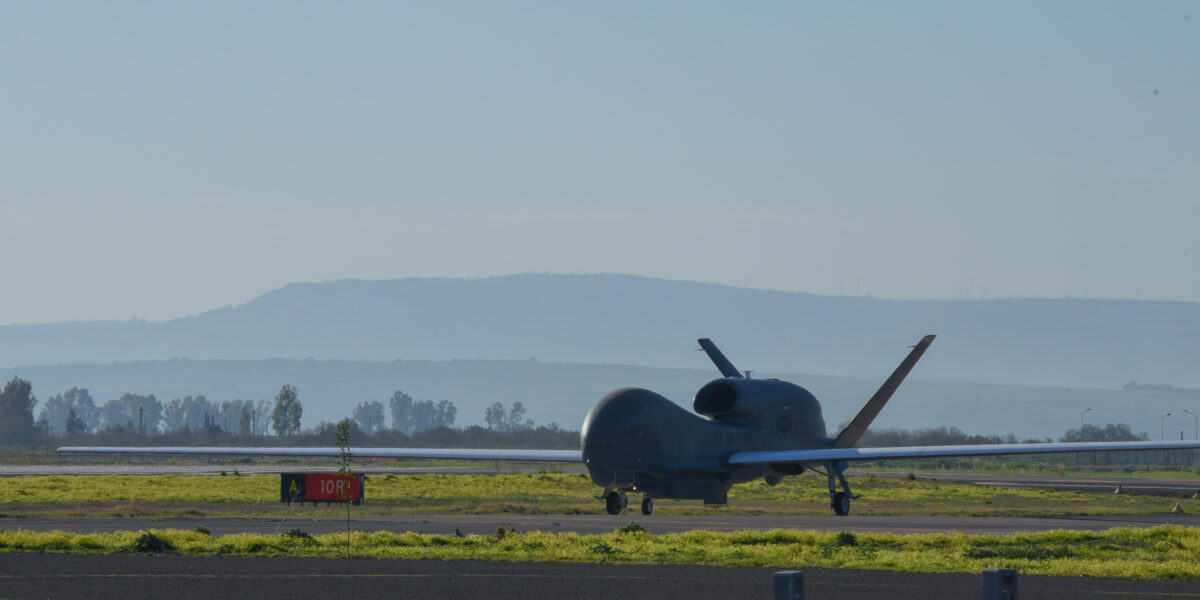
How to Disable a Drone
Drone countermeasures have gotten complicated with all the legal gray areas, signal jamming restrictions, and airspace enforcement debates flying around. Today, I will share it all with you.
But what does “disabling a drone” actually mean? In essence, it’s any action that interrupts, redirects, or terminates a drone’s flight operation. But it’s much more than a technical question — the legal framework around drone interference is strict, and most of the methods you’ll find described online are illegal for private citizens to use without authorization. Understanding what you can actually do matters as much as understanding what’s technically possible.
Understanding Drone Technology
Most consumer drones operate on 2.4 GHz or 5.8 GHz radio frequencies for control link communication. They use GPS for navigation and position holding. Many carry cameras or other sensors. The control link between drone and operator is the primary vulnerability — interrupt it, and most drones will either hover, return to home, or land depending on their programmed failsafe. Understanding these basics informs which countermeasure approaches are even technically relevant.
Legal Considerations
The Computer Fraud and Abuse Act, the Aircraft Sabotage Act, and FCC regulations on radio frequency interference collectively prohibit most of the countermeasures that circulate online. Unauthorized interference with a drone can result in federal charges. Always check your specific jurisdiction — state laws vary — but the federal framework applies everywhere in the U.S.
Methods to Disable a Drone
1. Jamming Devices
RF jammers disrupt the control signals between a drone and its operator, causing the drone to activate its failsafe behavior. These devices also interfere with GPS signals, which is why they’re effective. They are also federally illegal to possess or operate for private citizens in the United States without a specific exemption. They interfere with other electronics — including emergency services frequencies. Don’t make my mistake of assuming you can buy one online and use it without consequences.
2. Drone Signal Interceptors
Signal interceptors are more selective than jammers — they can target specific control frequencies rather than blanketing an area. Some advanced systems can actually take control of a drone and force it to land at a designated location. These are used by law enforcement and military operators with appropriate authorization. For private citizens: same legal constraints apply.
3. Geofencing Technology
Geofencing is the most legitimate and widely deployed countermeasure — it’s built into most commercial drones by the manufacturer. Airports, stadiums, government buildings, and sensitive areas are encoded into the drone’s flight management software as no-fly zones. The drone’s GPS recognizes the virtual boundary and prevents entry. This is a proactive, preventative approach that doesn’t require anyone to take active countermeasure action. First, you should know that geofencing only works on drones that respect it — at least if the drone hasn’t been modified to bypass manufacturer restrictions.
4. Laser Systems
High-powered lasers can disrupt a drone’s optical sensors and cameras, causing the drone to malfunction. This is technically feasible and practically extremely dangerous. Lasers powerful enough to affect a drone at operational altitude can blind people on the ground or in the air, damage aircraft optics, and create liability exposure that vastly exceeds whatever problem the drone was causing. Used in extremely controlled military and government security contexts only.
5. Physical Interception
Net guns can entangle a drone’s rotors and bring it down without damaging the surrounding area. Trained birds — eagles, specifically — have been used by law enforcement in Europe to physically intercept drones. Both methods are specialized tools used by authorized operators. Net guns in particular require good aim, proper range estimation, and a safe background behind the target. These aren’t consumer countermeasures; they’re professional tools.
Ethical Considerations
That’s what makes drone countermeasure decisions complicated for non-authorized individuals — the operator might be doing something entirely legitimate. Photography. Agricultural survey. Infrastructure inspection. Before assuming hostile intent, consider whether the drone could have a lawful purpose. Contact the operator if possible. Report unauthorized drone activity to local law enforcement or the FAA. Both options are available and appropriate without crossing into illegal interference territory.
Safety Precautions
- Always prioritize safety. Disabling a drone that crashes into a crowd or onto traffic creates a different set of problems than the one you were solving.
- Use non-destructive methods wherever possible to limit collateral damage.
- Be aware of your surroundings. Crowded areas require extra caution — a falling drone is a hazard to everyone below it.
Reporting and Documentation
If you witness unauthorized drone activity, document it. Photographs, video, timestamps, and flight direction are all useful for law enforcement and FAA enforcement action. File a report with local authorities and the FAA’s online reporting system. Proper documentation creates the accountability trail that enforcement actions require. The legal path is slower and less satisfying than jamming the signal, but it’s the path that doesn’t expose you to federal prosecution.
Using Technology Responsibly
Drones are genuinely useful tools with a wide range of beneficial applications in photography, delivery, inspection, agriculture, and emergency response. The challenge is that the same technology that makes beneficial operations possible also enables privacy violations and unsafe airspace incursions. The solution is better regulation, better enforcement, and better-educated drone operators — not electromagnetic countermeasures deployed by people who don’t have the training, authorization, or legal standing to use them.



Stay in the loop
Get the latest aviation news updates delivered to your inbox.