
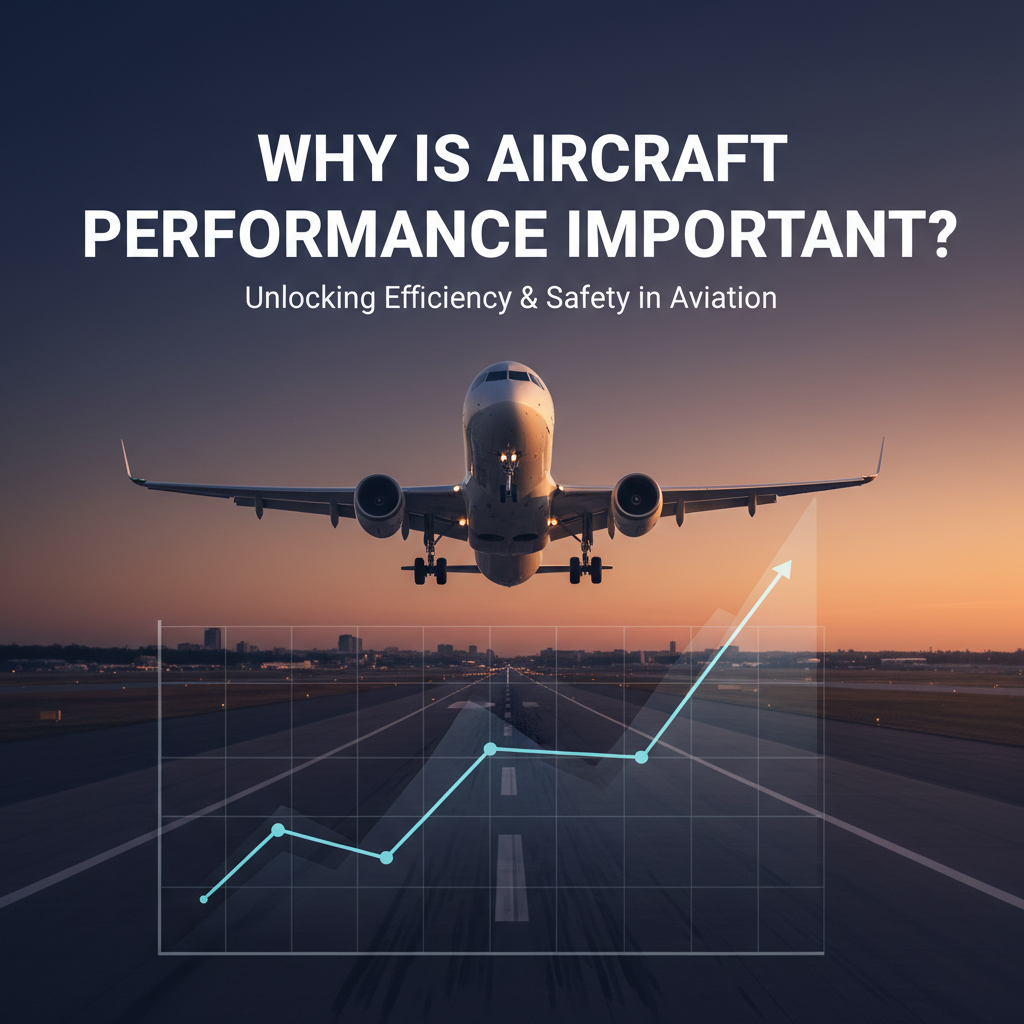
Aircraft performance matters because it determines safety margins, operational capability, and economic viability. Every flight depends on performance calculations being correct.
Safety Foundation
Performance limits exist for reasons. Exceeding maximum weights risks structural damage. Attempting takeoffs from runways that are too short invites disaster. Climbing at incorrect speeds stalls aircraft. The numbers protect lives.
Regulatory Compliance
Aviation authorities establish performance requirements. Aircraft must meet minimum climb gradients after takeoff. Landing distances must include safety factors. Operators who ignore these rules face certificate actions and worse.
Economic Efficiency
Airlines that understand performance maximize payload and minimize fuel burn. Flying at optimal altitudes and speeds saves money. Inefficient operations waste fuel and reduce competitiveness. Performance knowledge drives profitability.
Operational Planning
Dispatchers use performance data to plan every flight. Can this aircraft safely serve that runway? How much fuel is needed for this route? What payload can we carry? Performance provides the answers.
Weather Adaptation
Hot days reduce performance. High altitude airports present challenges. Head winds require more fuel. Performance analysis quantifies these effects for planning. Ignoring conditions creates unsafe operations.
Emergency Situations
When engines fail or systems malfunction, performance knowledge determines options. Can we make that airport? Should we land overweight? What’s our best glide speed? The answers come from understanding performance.
Career Requirement
Pilots, dispatchers, and engineers must master performance. License exams test this knowledge. Practical operations require it daily. There’s no aviation career that doesn’t involve performance understanding.


Stay in the loop
Get the latest aviation news updates delivered to your inbox.