
Aircraft performance encompasses everything about how planes fly – speeds, altitudes, distances, and fuel consumption. Understanding performance basics helps appreciate why aviation works the way it does.
The Four Forces
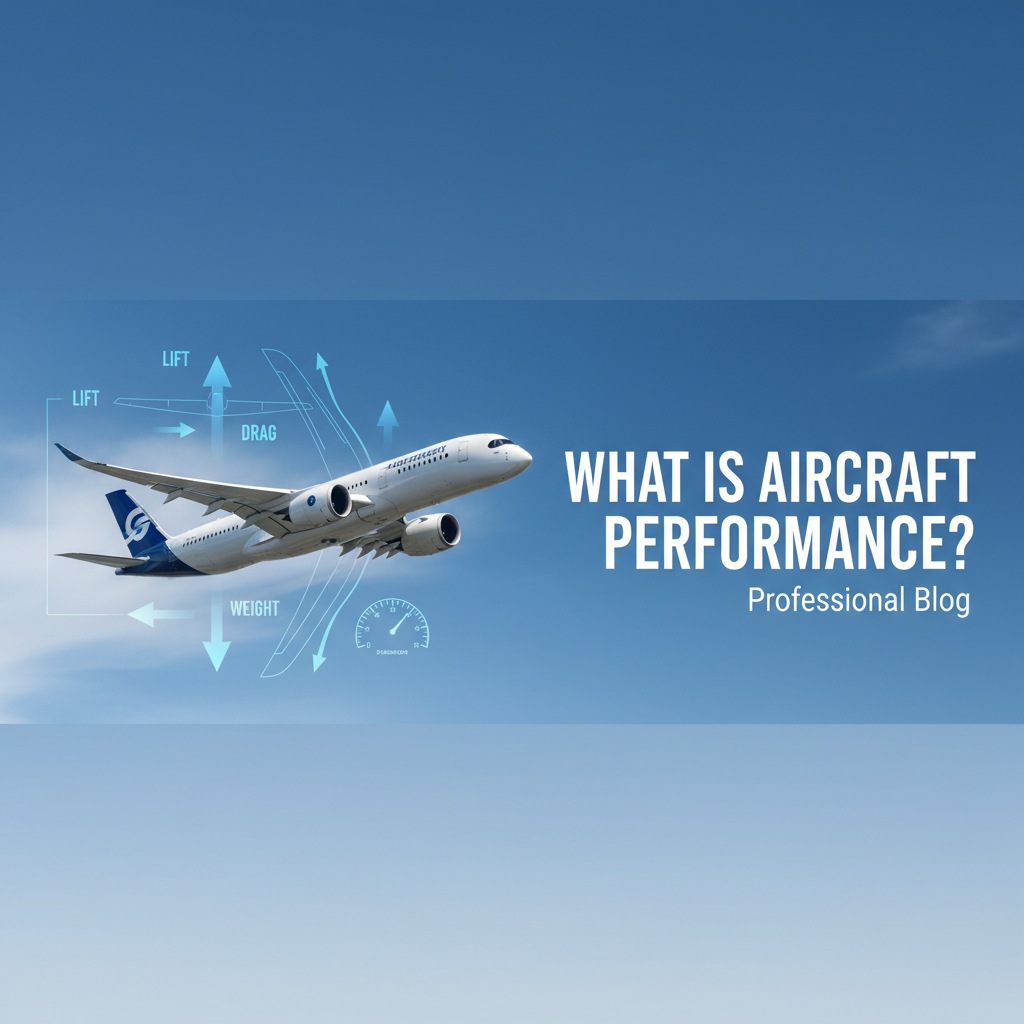
Lift, weight, thrust, and drag interact constantly. Lift must exceed weight to climb. Thrust must exceed drag to accelerate. Performance is about managing these forces efficiently for the desired operation.
Takeoff Performance
How much runway does the plane need? What speed must it reach? Can it clear obstacles after liftoff? These questions define takeoff performance. The answers change with weight, weather, and runway conditions.
Climb Capability
Climb rate and gradient matter for obstacle clearance and reaching efficient cruise altitude. Different phases of flight have different climb requirements. Performance charts quantify exactly what the aircraft can do.
Cruise Efficiency
Airlines want to move passengers far while burning little fuel. Cruise performance varies with altitude and speed. Finding the sweet spot between these factors is operational performance management.
Landing Requirements
Approach speeds, touchdown zones, and stopping distances define landing performance. Wet runways, altitude, and wind all affect the numbers. Pilots must verify performance before every landing.
Weight Limits
Maximum takeoff weight, landing weight, and zero-fuel weight all have structural or performance basis. Exceeding limits isn’t just regulation-breaking – it’s physically dangerous. Performance analysis determines safe operations.
Why It Matters
Every flight planning decision involves performance. Routes, altitudes, fuel loads, and passenger counts all depend on performance calculations. This discipline keeps aviation safe and efficient.



Stay in the loop
Get the latest aviation news updates delivered to your inbox.