
Aircraft weights have increased steadily as passenger expectations, safety requirements, and technology demands grow. Understanding these weights helps contextualize engineering challenges.
Wide-Body Giants
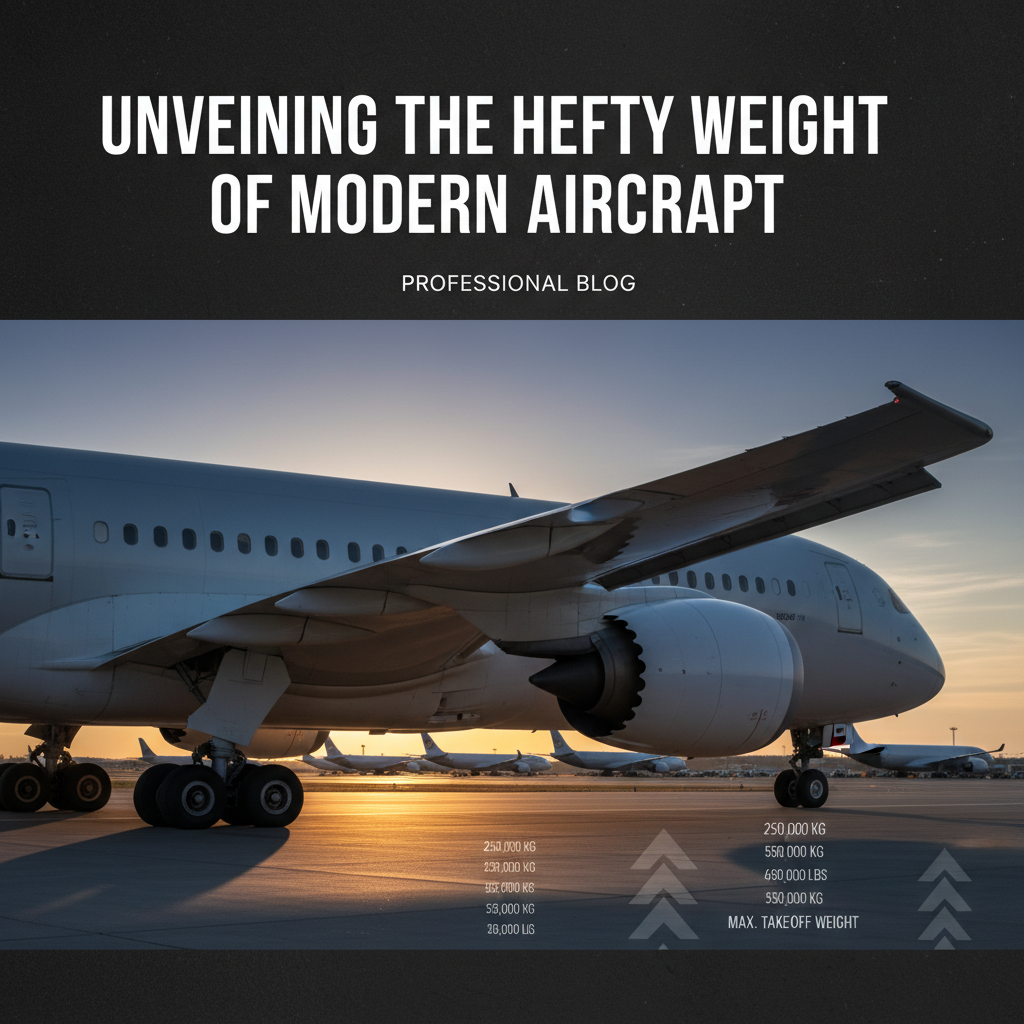
A Boeing 777-300ER can weigh over 775,000 pounds at maximum takeoff weight. The A380 tops 1.2 million pounds. These numbers seem abstract until you consider runways, brakes, and structural requirements designed for such masses.
Weight Breakdown
Empty weight includes structure, systems, and furnishings. Payload adds passengers, bags, and cargo. Fuel often weighs more than payload on long flights. Each component contributes to the total.
Structural Engineering
Aircraft structures must handle maximum weights plus safety margins. Wings flex, fuselages pressurize, landing gear absorbs impacts. Every pound matters when designing for flight while minimizing empty weight.
Engine Requirements
Heavier aircraft need more powerful engines. Each pound of weight requires thrust to accelerate and climb. Engine selection directly reflects aircraft weight targets.
Fuel Efficiency
Weight directly affects fuel burn. Every extra pound requires fuel to carry it, and that fuel weighs something too. The compound effect drives obsessive weight management in design and operations.
Runway Needs
Heavy aircraft need long runways for takeoff and landing. Maximum weight operations sometimes require reducing payload to operate from shorter airports. Infrastructure constrains operations.
Weight Savings Technology
Composite materials reduce structural weight significantly. The Boeing 787’s composite fuselage saves thousands of pounds compared to aluminum. These savings translate directly to range or payload improvements.




Stay in the loop
Get the latest aviation news updates delivered to your inbox.