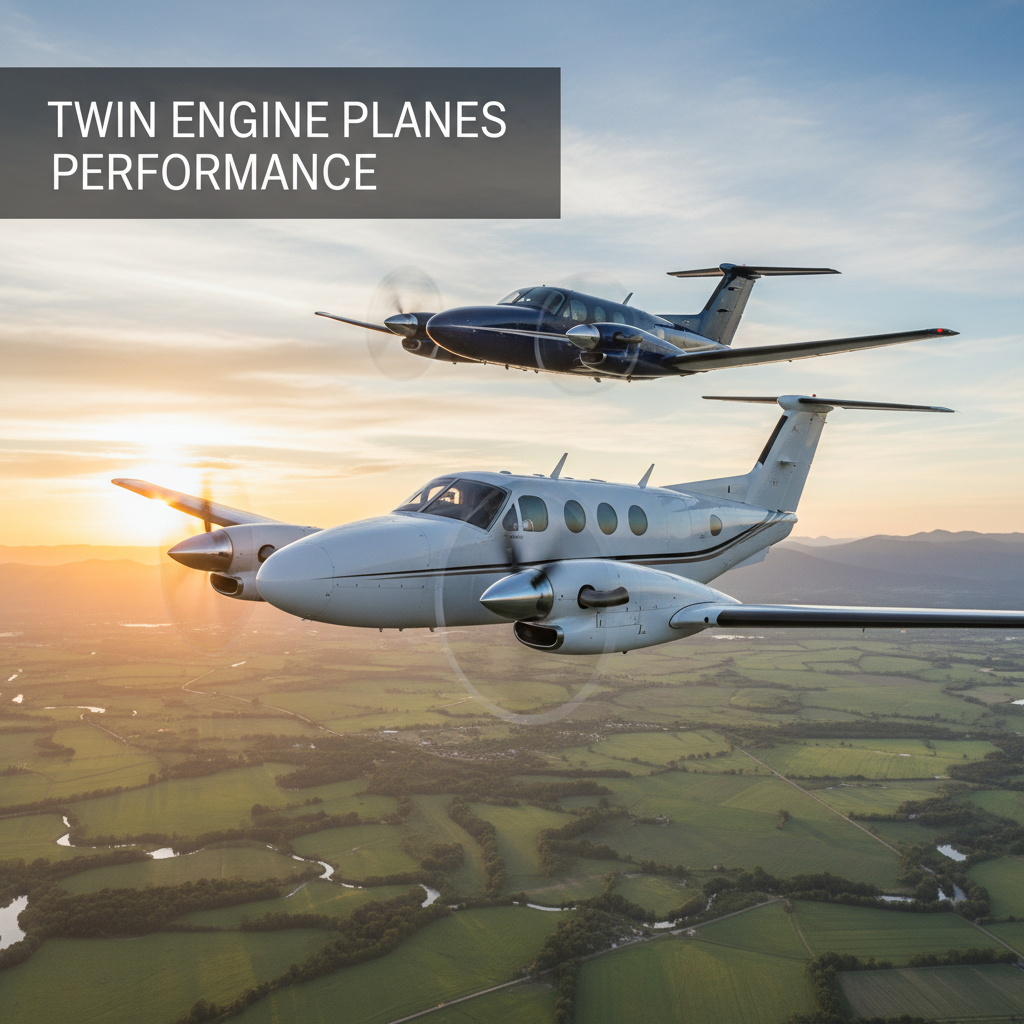
Twin-engine aircraft offer redundancy that single-engine planes lack. When one engine fails, the other keeps you flying. This safety margin comes with tradeoffs worth understanding.
Engine-Out Capability
Losing an engine doesn’t mean losing the aircraft. Properly trained pilots can maintain altitude and reach an airport on one engine. This is the primary safety argument for twins, especially over water or terrain.
Performance Tradeoffs
Two engines burn more fuel than one. Operating costs run significantly higher. Maintenance doubles. Insurance costs more. The safety benefit comes at a financial price that not everyone can justify.
Training Requirements
Multi-engine ratings require additional training. Learning to handle asymmetric thrust after an engine failure takes practice. Some pilots argue that twins are more dangerous in untrained hands than singles – a failed engine creates handling challenges.
Popular Twin Models
Beechcraft Baron remains a favorite for personal and business use. Piper Seneca offers similar capability at lower cost. Cessna 310 and 340 serve the market well. Each has loyal followings.
Light Twins vs Heavy
Smaller twins often can’t maintain altitude on one engine when fully loaded. This “single-engine ceiling” matters for departure planning. Bigger twins with more power maintain better single-engine performance.
Turboprop Options
Twin turboprops like the King Air offer superior reliability and altitude capability. Jet fuel availability is better worldwide. Turbines generally prove more reliable than piston engines. The step up in cost is substantial.
Single-Engine Alternatives
Modern single-engine aircraft have excellent reliability records. Some pilots argue that currency and proficiency matter more than engine count. The debate continues among safety-conscious aviators.


Stay in the loop
Get the latest aviation news updates delivered to your inbox.