
Fighter jet prices vary wildly based on capability, generation, and production volume. Understanding the market helps contextualize military aviation spending.
Fifth Generation
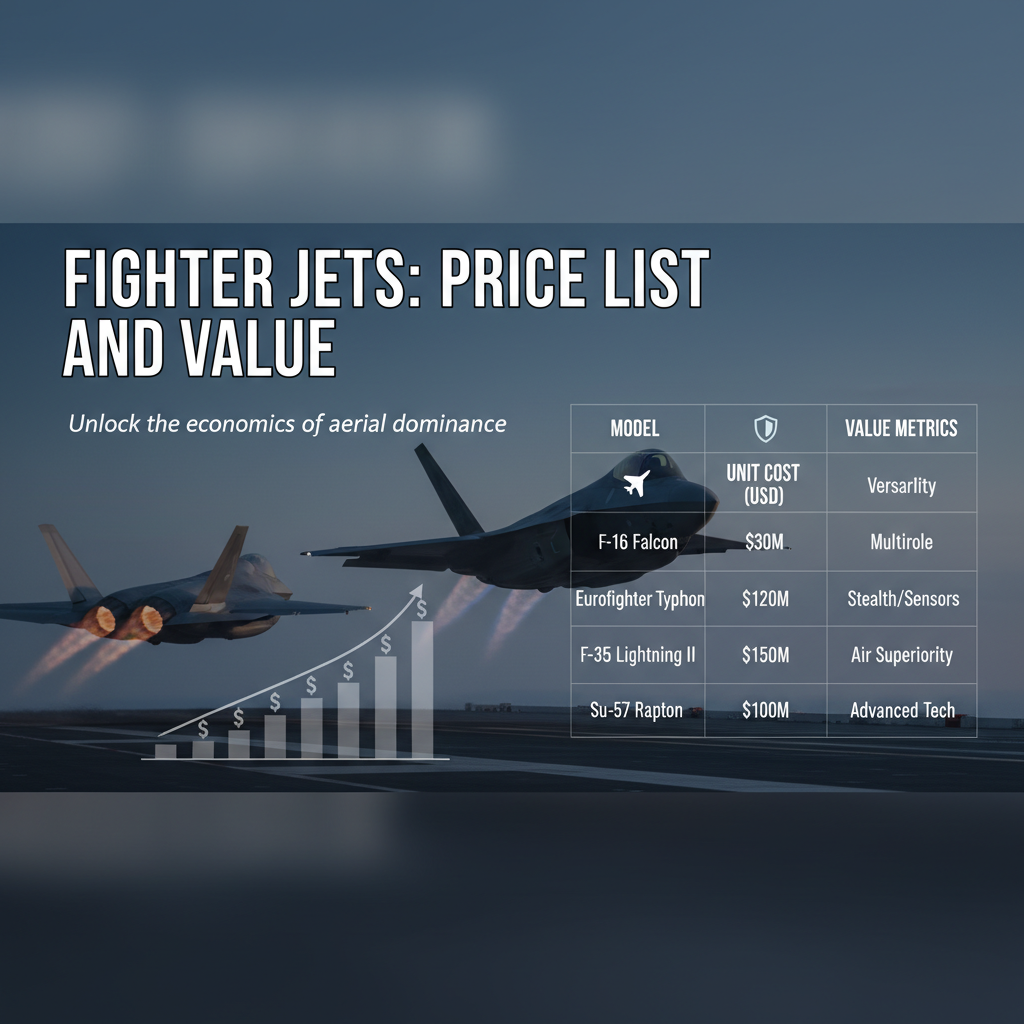
The F-35 costs roughly $80-100 million depending on variant. The F-22 ran about $150 million before production ended. These prices include advanced stealth and sensor technology. You pay for invisible.
Fourth Generation
Current production F-15EX fighters cost around $90 million – comparable to F-35s. Newer versions of classic designs remain expensive. The F/A-18 Super Hornet runs about $70 million. Legacy platforms aren’t cheap.
Export Market
Foreign sales often cost more due to technology transfer restrictions and smaller production runs. Countries pay premiums for American or European fighters. Some nations pursue cheaper alternatives from Russia or China.
Operating Costs
Purchase price is just the start. Operating fighters costs thousands per flight hour. Training, maintenance, and support add up over decades of service. Total lifecycle costs dwarf acquisition costs.
Budget Pressures
Rising fighter costs force difficult choices. Fewer aircraft means reduced capability. Some air forces can’t afford modern fighters at all. The technology gap between wealthy and other nations widens.
Alternatives
Light attack aircraft and advanced trainers cost far less. Some missions don’t require front-line fighters. Creative force structures stretch budgets. Not every mission needs the most expensive option.
Future Trends
Sixth-generation fighters will cost even more. Autonomous wingmen may reduce human pilot requirements. The economics of air power continues evolving. What seems expensive today may look cheap compared to tomorrow.




Stay in the loop
Get the latest aviation news updates delivered to your inbox.