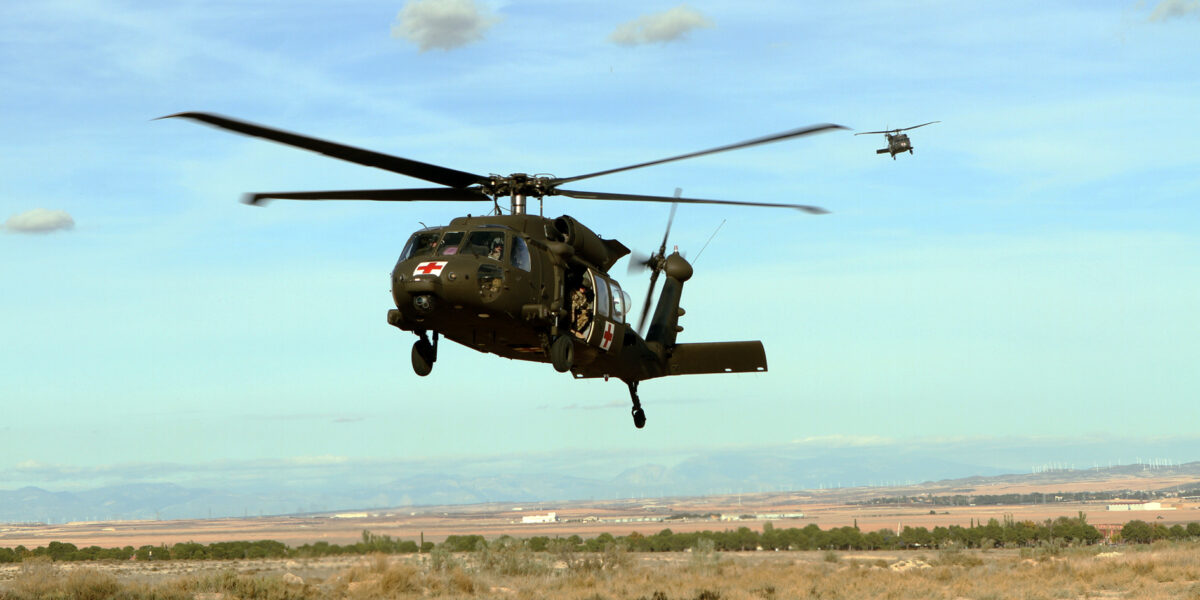
Helicopters can’t fly as high as airplanes. The physics of rotor flight creates limitations that fixed-wing aircraft don’t face. Understanding these ceilings helps explain why helicopters serve different missions.
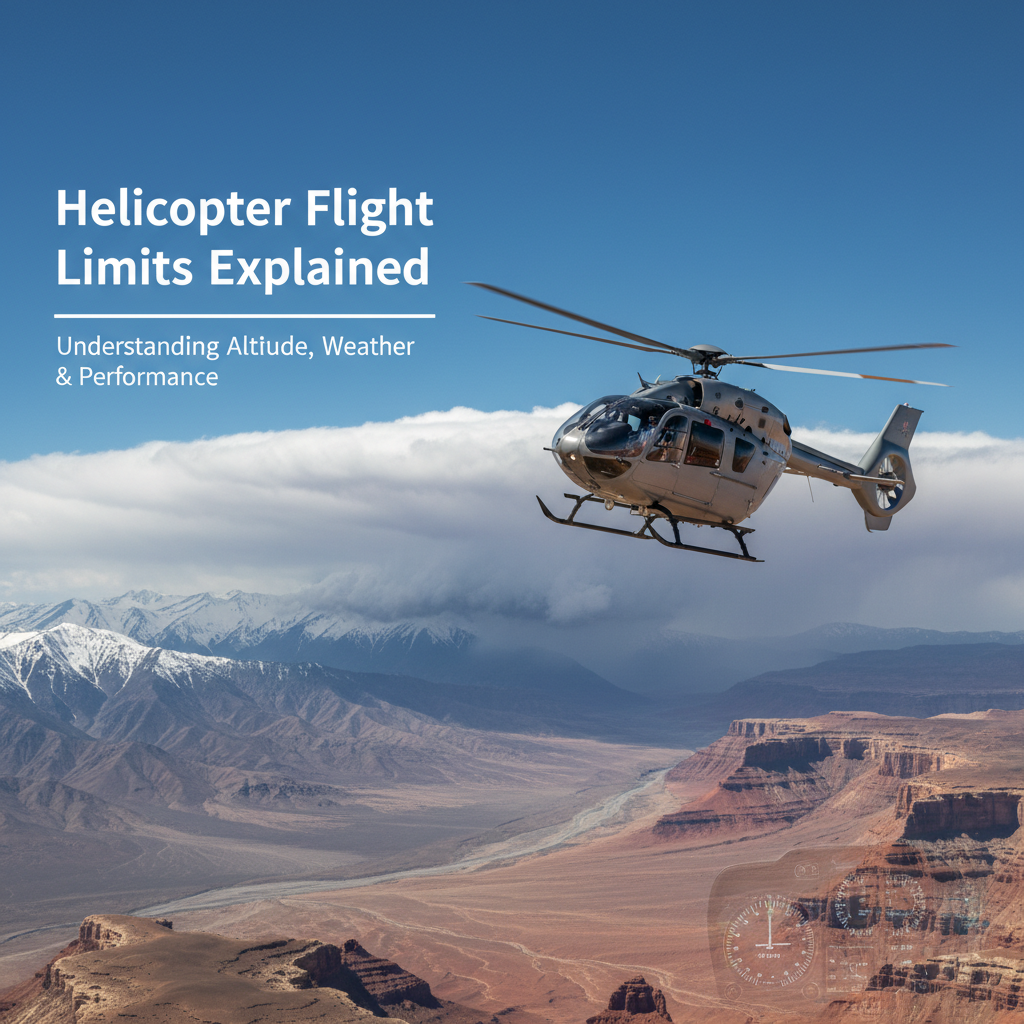
Service Ceiling Basics
Most helicopters top out between 10,000 and 25,000 feet. Light helicopters cluster at the lower end. Military and specialized models push higher. The record stands around 40,000 feet, achieved in stripped-down experimental conditions.
Why the Limit
Rotor blades need air density to generate lift. As altitude increases, air thins. Blades must spin faster or have more pitch to compensate. Eventually, the retreating blade stalls and the rotor can’t produce enough lift.
Engine Performance
Turbine engines also lose power at altitude. Less air means less combustion efficiency. Helicopters need power both to fly and to drive rotors. The engine ceiling often arrives before the aerodynamic ceiling.
Temperature Effects
Hot days reduce effective altitude capability. Density altitude – which combines pressure and temperature effects – determines real-world performance. Mountain operations in summer challenge helicopter pilots significantly.
Practical Operations
Most helicopter flying happens below 5,000 feet anyway. Emergency medical services, news gathering, and short-haul transport don’t require high altitude. Helicopters excel at low-level flexibility, not altitude records.
Mountain Flying
Helicopter rescues in high mountains push performance envelopes. Everest evacuations happen near the limits of what’s aerodynamically possible. Specialized aircraft and expert pilots make these missions work.
Pressurization
Few helicopters have pressurized cabins. This limits passenger comfort above 10,000 feet regardless of aircraft capability. Oxygen systems extend useful altitude but add complexity and cost.


Stay in the loop
Get the latest aviation news updates delivered to your inbox.