Today, I will share it all with you.
Italy’s air arm — formally the Aeronautica Militare — has been around since March 28, 1923, which actually makes it one of the oldest independent air forces in the world. That fact alone grabbed my attention when I first started digging into this. Over the last century, it’s grown from a scrappy inter-war outfit into a genuinely modern fighting force with real strategic weight in Europe and beyond.
The History and Evolution
You can’t talk about where the Italian Air Force is today without going back to the beginning. Military aviation in Italy got its start in the early 1900s, and for a while it fell under the Regia Aeronautica — that was the air branch during the Kingdom of Italy days. They flew in both World Wars, and honestly, their World War I record doesn’t get enough attention. Italian pilots were innovators in aerial combat tactics, and some of those early dogfighting principles stuck around for decades.
After World War II, things changed dramatically. The air force separated from the army and navy to stand on its own, and that’s when the real transformation started. During the Cold War, Italy sat right on NATO’s southern flank, so modernization wasn’t optional — it was survival. They partnered heavily with NATO allies, brought in new jets, upgraded radar systems, and built out an air defense network that could actually hold up against what the Soviets were fielding. That era really shaped the force they are today.
Key Aircraft and Equipment
The hardware is what most of us want to know about, right? Let me walk you through what Italy’s flying these days.
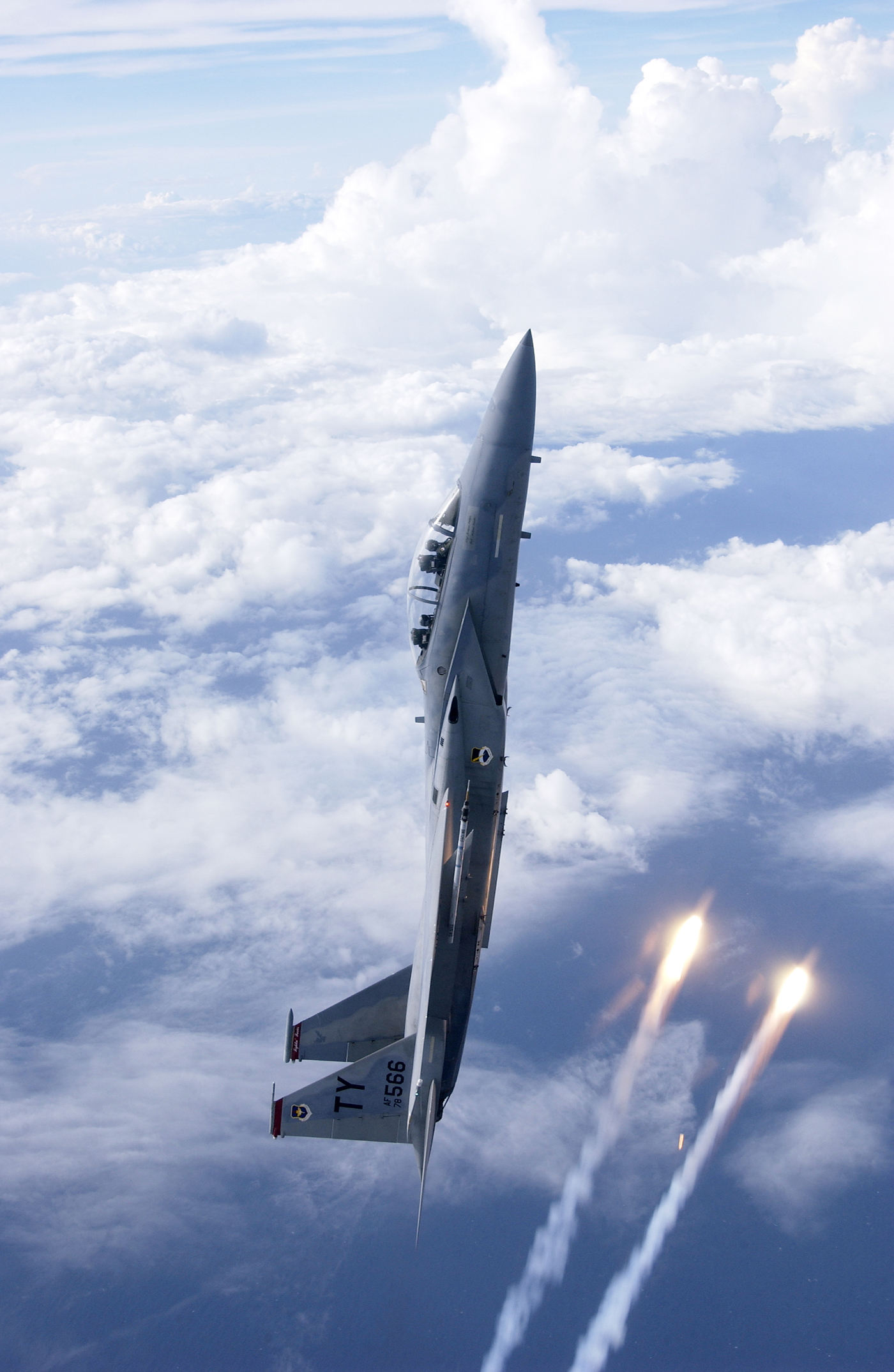
The backbone of their fighter fleet is the Eurofighter Typhoon, and I’ve got to say, it’s a beast. It handles air superiority, ground attack, you name it. The Italians were one of the original partner nations on the Eurofighter program, so they’ve had skin in the game from day one. They know these jets inside and out.
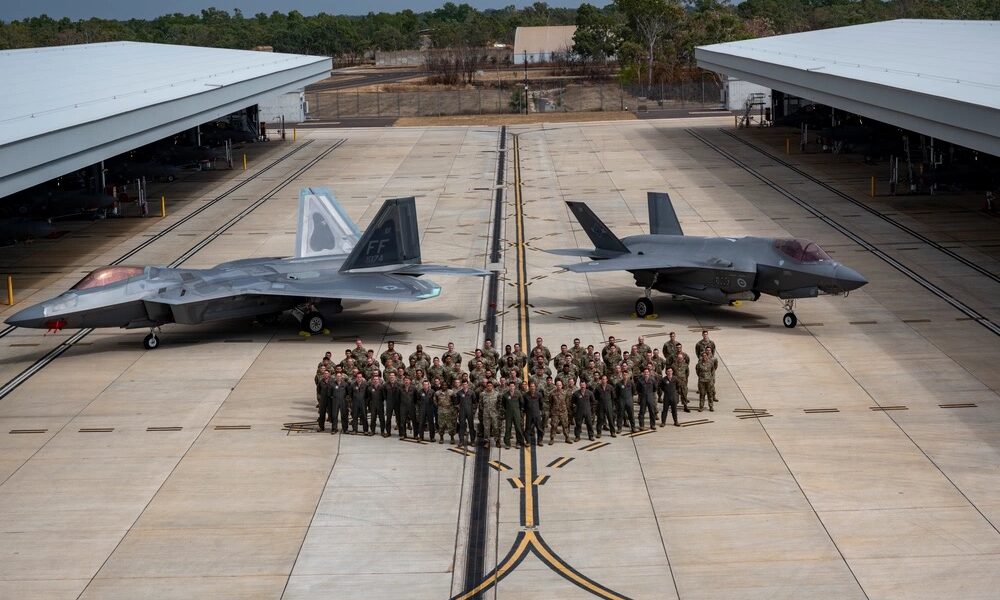
Then there’s the F-35 Lightning II. Italy was the first European country to assemble F-35s outside the United States — they’ve got a final assembly and check-out facility at Cameri Air Base. That’s a big deal. The stealth capabilities and sensor fusion on the F-35 represent a massive leap from anything they’ve operated before. I think it really positions them as a top-tier air force in Europe.
On the transport side, they’re running C-130J Hercules for heavy lift and the KC-767A for aerial refueling. The Leonardo C-27J Spartan handles tactical transport — shorter runways, getting troops and supplies closer to where they’re needed. And they haven’t ignored the drone revolution either. MQ-9 Reapers are in the inventory for intelligence, surveillance, and reconnaissance. It’s a well-rounded fleet, honestly.
Structure and Organisation
The way they’ve organized everything is pretty straightforward, which I appreciate. The Air Operations Command sits at the top for running actual missions — both strategic and tactical. Below that, the Logistic Command takes care of maintenance, spare parts, supply chains, all the stuff that isn’t glamorous but keeps planes in the air. Without good logistics, you’ve got a parking lot of expensive jets going nowhere.
Then there’s the Training Command, which I’ll get into more below. They’ve got airbases scattered all across Italy — Amendola, Gioia del Colle, Istrana, Trapani, and others. That geographic spread gives them flexibility and ensures they can respond quickly no matter where a threat emerges. Smart setup.
Training and Personnel Development
I always think training is where you separate the serious air forces from the rest. And the Italians don’t mess around here. Their Air Force Academy in Pozzuoli has been turning out officers for decades, and the curriculum is no joke.
- Pilot training blends simulator time with actual flight hours — they’re not cutting corners on either end.
- Technical personnel get hands-on instruction with the latest avionics and maintenance systems, because these modern jets don’t fix themselves.
- Leadership development and strategic planning are baked into the coursework from the start, not bolted on as an afterthought.
What I find impressive is they don’t treat graduation as the finish line. Continuous professional development is a real thing in the Aeronautica Militare. As tactics shift and new technology comes online, their people are expected to keep up. It’s that commitment to ongoing learning that keeps them sharp year after year.
Role Within NATO and International Missions
You’d think a mid-sized European country might take a backseat, but nope. Italy has consistently shown up when it counts.
They’ve participated in Baltic Air Policing, which means Italian Typhoons have been up in the skies over Estonia, Latvia, and Lithuania, intercepting Russian aircraft that wander too close to allied airspace. They regularly join joint exercises designed to make sure NATO forces can fight together seamlessly — interoperability isn’t just a buzzword for these guys.
Beyond NATO, they’ve deployed on humanitarian missions, peacekeeping operations, and combat sorties under UN mandates. I’ve read after-action reports that consistently praise the professionalism of Italian air crews. They’ve built a solid reputation for being reliable and capable, no matter the mission profile or the part of the world they’re sent to.
Research and Technological Advancements
Italy has a long history of aerospace innovation — don’t forget, Leonardo (formerly Finmeccanica) is one of the biggest defense contractors in the world, and they’re headquartered right there in Rome. That domestic industrial base gives the Italian Air Force a real advantage when it comes to R&D.
They’re investing heavily in next-generation avionics, jet propulsion improvements, and cyber defense systems. The last one is becoming increasingly critical. Modern air warfare isn’t just about dogfights anymore — if someone can hack into your command and control network, your F-35s are sitting ducks. Italy seems to understand that, and they’re putting resources behind it.
Strategic partnerships with other European nations and the broader NATO alliance amplify what Italy can do on its own. Collaborative programs spread the cost and bring together different expertise. It’s a smart approach, especially when defense budgets are always under pressure.
Future Prospects and Challenges
Looking ahead, the Italian Air Force faces the same kinds of challenges most Western air forces are grappling with. Cyber threats are evolving fast, and staying ahead of adversaries in the digital domain requires constant investment. They’re also doubling down on unmanned systems — I wouldn’t be surprised to see drones taking on a much bigger share of the mission load in the next decade.
There’s an environmental angle too, which I didn’t expect when I first started researching. The Aeronautica Militare is working on fuel-efficient technologies and more sustainable operational practices. It’s a tricky balance — you need to maintain combat readiness while also being a responsible steward of resources. Not easy, but they seem committed to finding that middle ground.
Budget constraints are the elephant in the room, as they are for pretty much every European military. You can’t buy everything you want, so prioritization matters. From what I can tell, Italy’s been pretty smart about where they put their money — the F-35 investment alone shows they’re willing to bet big on capabilities that’ll matter for the next 30 years.
Despite all the challenges, I come away genuinely impressed. The Italian Air Force isn’t just coasting on its history. They’re modernizing, adapting, and positioning themselves to stay relevant in an era where air power is more important than ever. If you’re a military aviation fan and you’ve been sleeping on the Aeronautica Militare, it’s time to wake up.
Recommended Aviation Gear
David Clark H10-13.4 Aviation Headset – $376.95
The industry standard for aviation headsets, trusted by pilots worldwide.
Pilot’s Handbook of Aeronautical Knowledge – $25.42
The official FAA handbook – essential reading for every pilot.
As an Amazon Associate, we earn from qualifying purchases.


Stay in the loop
Get the latest aviation news updates delivered to your inbox.