
Los Angeles International Airport (LAX): Complete Guide
Los Angeles International Airport has gotten complicated with all the terminal renovation projects, APM construction, and LAX-it rideshare changes flying around. As someone who has spent years navigating LAX — for domestic connections, international arrivals, and the general chaos of one of the world’s busiest airports — I learned everything there is to know about making this airport work for you. Today, I will share it all with you.
But what is LAX, really? In essence, it’s a major international airport that handles over 88 million passengers annually across nine terminals arranged in the distinctive horseshoe configuration that defines its layout. But it’s much more than an airport. For Southern California, LAX is infrastructure — the primary gateway to a metro area of 13 million people and a global entertainment, technology, and trade hub whose connectivity depends on this facility functioning.
History and Development
Originally named Mines Field when it opened in 1930, LAX has expanded continuously from a modest municipal airport to one of the world’s top five busiest airports by passenger volume. The 1941 designation as Los Angeles International Airport came as the facility was taking on the scale that its name implied. The Theme Building, completed in 1961, became the architectural symbol of the Jet Age — a googie-style structure that placed the airport in conversation with the space-age optimism of that era. Decades of expansion since have been continuous, though the pace has accelerated significantly with current capital programs.
Terminals and Layout
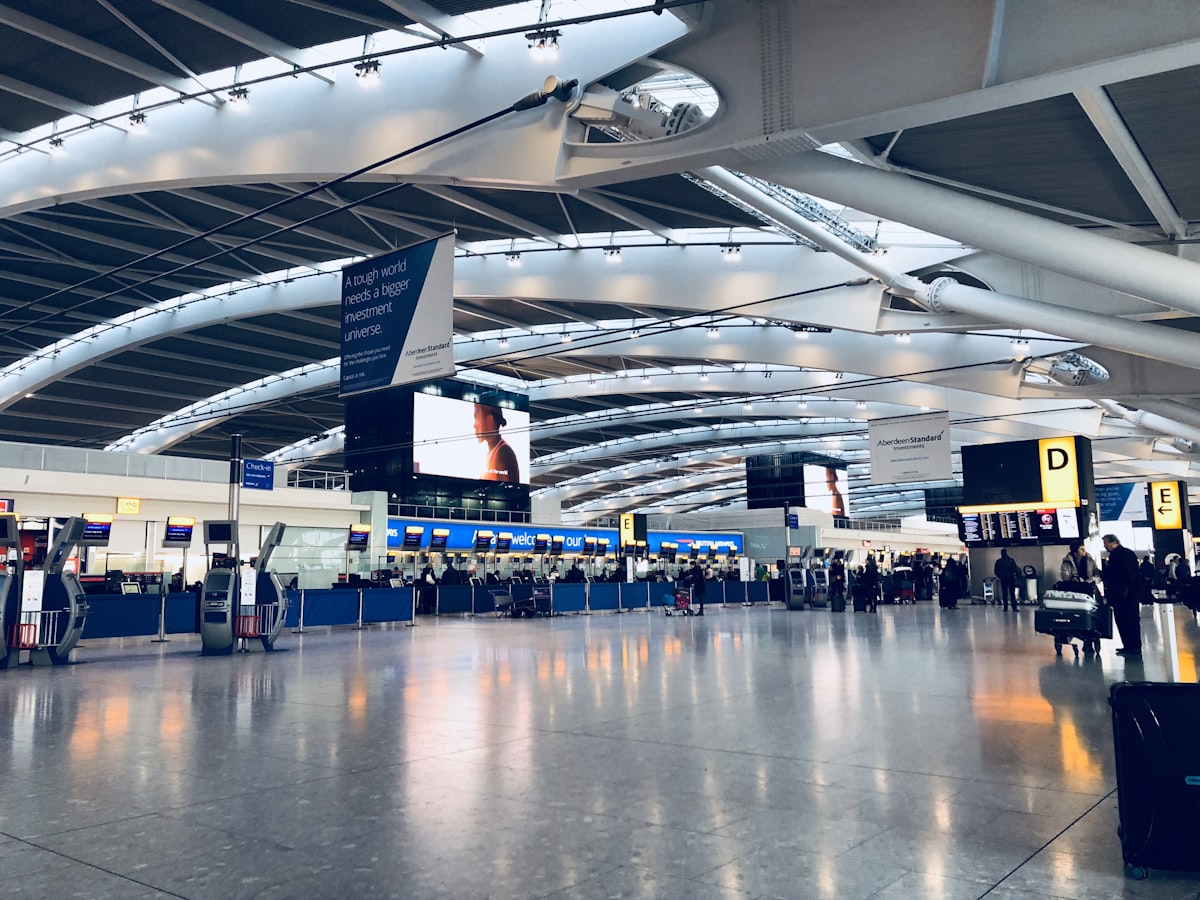
Nine terminals arranged in the LAX horseshoe is the basic geography. Tom Bradley International Terminal handles the majority of international traffic — named for the former Los Angeles mayor who championed the airport’s development. Terminals 1 through 8 handle domestic and some international operations with airline assignments that shift periodically. Southwest occupies Terminal 1. Delta operates in Terminals 2 and 3. American Airlines controls Terminals 4 and 5. Alaska Airlines and others are in Terminal 6. United Airlines manages Terminals 7 and 8. That’s what makes terminal knowledge useful — knowing where your airline operates saves the disorientation of arriving at the wrong terminal, which happens to first-time LAX visitors more often than it should.
Transportation and Accessibility
Car rentals, taxis, rideshare services, shuttles, and public transit all connect LAX to the surrounding region. The FlyAway Bus provides non-stop service to Union Station, Van Nuys, and Hollywood — an underutilized option that avoids the rideshare congestion. LAX-it relocated rideshare pickup away from the terminal curbs to a dedicated lot, reducing the curbside chaos that previously made pickup a stressful experience. The Automated People Mover currently under construction will eventually connect the terminals to a consolidated rental car facility and to the Metro system — a connection that has been absent from one of America’s largest airports for its entire existence.
Security and Customs
TSA PreCheck and Global Entry expedite security and customs processing significantly at LAX — enrollment is worth it if you travel frequently through this airport. Customer service centers throughout the terminals can assist with navigation and information. LAX handles the customs processing volume of a major international gateway, which means arrival times can be extended during peak international arrival periods. Building buffer time into connections through LAX is not optional advice — it’s a practical requirement.
Dining and Shopping
The dining and retail situation at LAX has improved substantially in recent years. Shake Shack, 800 Degrees Pizza, and a range of other options appear in various terminals. The airside food options are better than they were a decade ago, though “better than LAX used to be” is not the same as “great.” The In-N-Out Burger on Sepulveda Boulevard outside the airport is a Los Angeles institution — accessible before security for arriving or departing passengers who are driving — and pairs with the plane-spotting opportunities that the location provides.
Sustainability Initiatives
Energy-efficient lighting, water conservation, waste reduction, and the broader Landside Access Modernization Program represent LAX’s sustainability commitments. The LAMP program’s goal of improving traffic flow and enhancing transit connections has direct environmental benefits — reducing vehicle miles traveled to and from the airport reduces carbon emissions in a region where traffic-related air quality is already a challenge. The APM will eventually offer a transit alternative that doesn’t currently exist.
Future Developments
The APM connection to Metro, the consolidated rental car facility, ongoing terminal upgrades, and the acceleration of improvements ahead of the 2028 Olympics are the major development threads. LAX has been in continuous construction for years and will remain so through the mid-2020s. Don’t make my mistake of planning a tight connection at LAX during major construction periods — at least if you’re connecting between terminals that require ground transportation, because construction can affect normal routing and timing unpredictably.
Recommended Aviation Gear
David Clark H10-13.4 Aviation Headset – $376.95
The industry standard for aviation headsets.
Pilots Handbook of Aeronautical Knowledge – $25.42
Essential FAA handbook for every pilot.
As an Amazon Associate, we earn from qualifying purchases.