
A Closer Look at Aviator Salaries
Aviator salaries have gotten complicated… As someone who’s spent years around the cockpit — first as a wide-eyed student pilot, then working alongside commercial crews and military aviators — I learned everything there is to know about what pilots actually take home. Today, I will share it all with you.
Here’s the thing: when people ask “how much do pilots make?” there’s never a clean, one-line answer. It depends on so many things — your experience level, where you’re based, whether you’re flying a 737 or a Cessna crop duster. Let me break it all down.
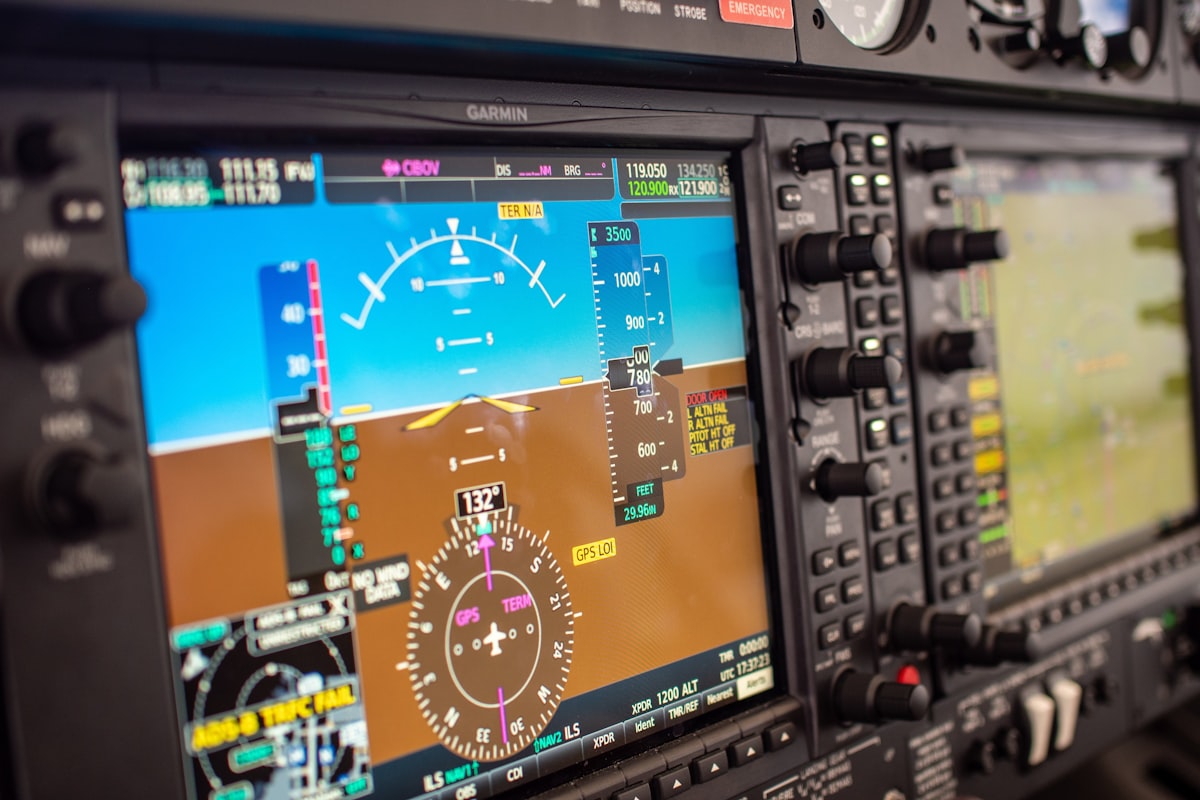
Commercial Airline Pilots
Alright, let’s start with the big one. Commercial airline pilots are some of the highest-paid aviators out there, and honestly, it’s not hard to see why. The training is intense, the responsibility is enormous, and the hours can be brutal. But the paychecks? They can be seriously impressive.
- Major Airlines: If you’re flying for a major carrier, you’re sitting in the sweet spot salary-wise. A captain at a major airline can pull in over $200,000 a year. First officers (that’s the co-pilot, for those not in the know) usually start around $70,000, but don’t let that number fool you — it climbs substantially as you build seniority and hours.
- Regional Airlines: Regional pilots earn less, no way around it. Captains at regional carriers typically see somewhere between $55,000 and $80,000, while first officers land in the $30,000 to $50,000 range. It’s tighter money for sure, but those numbers do creep up with experience and tenure. A lot of folks treat regionals as a stepping stone, and that’s a perfectly valid strategy.
One thing that doesn’t get talked about enough: the aircraft type matters a ton. Pilots who are rated on bigger, more complex planes command higher wages. And flight hours — well, they’re basically the currency of aviation careers. More hours can open doors to better positions and higher pay scales. I’ve watched guys go from scraping by at a regional to making six figures at a major in just a few years. It happens.
Private and Corporate Pilots
Private and corporate pilots fly business executives, wealthy individuals, sometimes celebrities. It’s a whole different lifestyle.
- Private Charter Pilots: Salaries here usually run between $40,000 and $100,000. There’s a huge range because so much depends on the company you’re with and what the clients demand. Some charter operations are bare-bones; others are top-shelf luxury.
- Corporate Pilots: Now this is where it gets interesting. Bigger corporations don’t mess around with pilot compensation — salaries can exceed $150,000 annually. On top of that, you’re getting corporate benefits, retirement plans, sometimes even stock options. It adds real value beyond the base paycheck.
I’ll be honest, the schedule flexibility and the chance to fly into some pretty exclusive spots make corporate flying really appealing. You might be landing at a tiny airstrip in the Caribbean one week and heading to a private terminal in Zurich the next. The downside? Job security isn’t always as rock-solid as it is with the commercial airlines. Companies restructure, executives change their minds. It’s worth keeping in mind.
Military Aviators
Military pilots are a different breed entirely. They’re serving their country while building some of the most elite flying skills on the planet. But the pay structure? It’s nothing like the civilian world.
Compensation in the military is based on rank and time in service, not just how many hours you’ve logged. Starting salaries sit around $50,000 a year, which I know sounds modest for someone trusted with a multi-million-dollar aircraft. But stick with it — promotions, accumulated flight hours, and added responsibilities push that number up considerably. And you’ve got to factor in the benefits: housing allowances, comprehensive healthcare, education assistance. When you add it all up, the total compensation package is actually pretty solid.
Here’s what I’ve seen play out again and again: military aviators transition to civilian roles after their service, and airlines practically roll out the red carpet. That military training and discipline? It’s gold in the commercial world. Many ex-military pilots land lucrative positions at major airlines or in private aviation almost immediately.
Flight Instructors
Flight instructors are the unsung heroes of aviation, if you ask me. They’re the ones training the next generation of pilots while keeping their own skills sharp with regular stick time. The pay? It varies a lot.
- Independent Instructors: If you’re freelancing as a CFI, your earnings depend entirely on how many students you’ve got and how many hours you’re teaching. Expect somewhere around $30,000 to $60,000 per year. Not glamorous, but there’s freedom in it.
- Flight Schools: Getting a salaried position at an established flight academy is a different story. Instructors there can pull in between $40,000 and $80,000 annually, depending on the school’s size and reputation.
What a lot of people don’t realize is that instructing is one of the best ways to build flight hours fast. Almost every airline captain I know spent time as an instructor early on. It’s like paying your dues while literally getting paid to fly. The flexibility of being your own boss attracts a lot of people to the independent route too — you set your own schedule, pick your students. There’s a lot to like about it.
Agricultural Pilots
Agricultural pilots — the crop dusters — don’t always get the respect they deserve. These pilots are out there flying low and fast over fields, applying fertilizers and pesticides from the air. It’s demanding work that covers huge areas way more efficiently than ground-based methods.
Pay-wise, you’re looking at $30,000 to $90,000 a year. The range is big because it depends on the region, what crops you’re working with, and how heavy the workload is. One thing to know: this work is seasonal. Spring and summer are hectic, but winters can be quiet. So your income may bounce around throughout the year.
Despite the lower average pay compared to airline captains, I’ve met plenty of ag pilots who wouldn’t trade their job for anything. There’s something about flying fifty feet above a cornfield at sunrise that commercial flying just can’t match. Most of these folks work independently or for specialized agricultural aviation outfits, and they genuinely love what they do.
Factors Influencing Aviator Salaries
So what actually drives these numbers up or down? After years of watching this industry, I can tell you it boils down to a handful of key factors. Experience is the big one — seasoned pilots are always in higher demand, and they earn more because of it. But the type of aircraft you fly, your operational environment, and even broader market forces like pilot shortages all play into it.
- Experience: Hours logged and years spent flying directly impact what you earn. There’s really no shortcut here — more experience almost always means higher pay.
- Aircraft Type: Getting certified on larger, more complex aircraft bumps your salary up because of the additional skill and responsibility those planes require. A widebody captain makes significantly more than a turboprop pilot.
- Employer Type: Major airlines, private jet companies, the military — they all offer different compensation packages. Some lean heavier on salary, others on benefits and perks. You’ve got to look at the whole picture.
- Location: Where you’re based matters more than people think. Cost of living and local demand for pilots can swing regional pay scales pretty dramatically. A pilot in New York isn’t making the same as one in a small midwestern city, even at the same airline.
The aviation industry is always shifting, and salaries reflect that. Economic conditions, new technology, changing regulations — it all plays a role. But I’ll say this: if you’re passionate about flying and willing to put in the hours, the compensation keeps getting better. The pilot shortage isn’t going away anytime soon, and that’s very good news for anyone considering this career path. The opportunities for aviators worldwide are only going to grow from here.
Recommended Aviation Gear
David Clark H10-13.4 Aviation Headset – $376.95
The industry standard for aviation headsets, trusted by pilots worldwide.
Pilot’s Handbook of Aeronautical Knowledge – $25.42
The official FAA handbook – essential reading for every pilot.
As an Amazon Associate, we earn from qualifying purchases.



Stay in the loop
Get the latest aviation news updates delivered to your inbox.