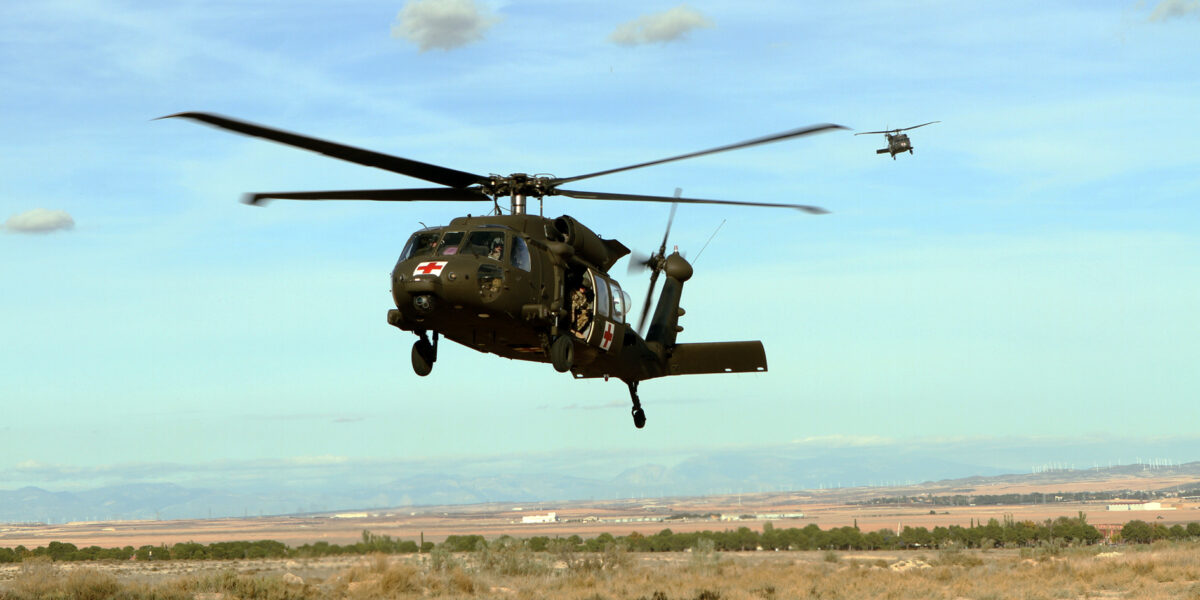
HH-60W Rescue Helicopter Capabilities
Combat rescue helicopters have gotten complicated with all the program updates flying around. Today, I will share it all with you.
The HH-60W — most folks in the community just call it “Jolly Green II” or “Whiskey” — is the Air Force’s answer to a question they’ve been wrestling with for years: how do you replace a legendary rescue helicopter without losing what made it great in the first place? The old HH-60G Pave Hawk served admirably for decades, but it was showing its age. So Sikorsky, under the Lockheed Martin umbrella, went ahead and built something new on top of the proven UH-60M Black Hawk airframe. Smart move, if you ask me.

How the Whiskey Came Together
The design story here is actually pretty interesting. Sikorsky didn’t start from scratch — they took decades of feedback from PJ teams and Pave Hawk crews and baked those lessons right into the new airframe. What they ended up with is a helicopter that keeps everything that worked before while solving the biggest pain points operators had been dealing with.
Range was the big one. The HH-60G’s fuel capacity limited how far crews could push into denied territory. The Whiskey’s airframe accommodates additional internal fuel tanks that effectively double the fuel capacity compared to the old bird. That’s a massive deal when you’re trying to reach a downed pilot deep behind enemy lines. They also overhauled the mission systems suite — we’re talking multi-function displays, better sensors, and navigation gear that gives crews way more situational awareness than they had before.
The Avionics Package
The avionics on the HH-60W are where things get really impressive. They went with a fully integrated glass cockpit that cuts down pilot workload significantly. Instead of the old analog setup, you’ve got clean digital interfaces that let the crew focus on the mission rather than wrestling with their instruments.
Now here’s where the survivability tech comes in. The Whiskey carries the AN/APR-52 Radar Warning Receiver, which tells the crew when someone’s painting them with radar. Then there’s the AN/AAR-57 Common Missile Warning System — that one’s your “something’s been launched at you” alert. And they added the AN/AVR-2B Laser Warning System on top of all that, which picks up laser rangefinders and targeting designators. Basically, if someone’s trying to track or target this helicopter, the crew’s going to know about it.
For night operations, which let’s be honest is when most CSAR missions happen, they’ve got NVG-compatible cockpit lighting, an upgraded interior lighting package, and a forward-looking infrared system. The FLIR lets crews navigate and identify targets in total darkness. It’s not optional equipment for this kind of work — it’s essential.
What’s Under the Hood
Two General Electric T700-GE-701D engines power the Whiskey, and each one puts out roughly 2,000 shaft horsepower. That’s a lot of muscle for a helicopter this size. You need that kind of power because rescue missions don’t happen in convenient locations. Heavy payloads, high altitudes, hot temperatures — the engines have to handle all of it without breaking a sweat.
Performance numbers are solid. We’re looking at a cruising speed north of 180 knots and a combat radius exceeding 200 nautical miles. But here’s the kicker — the HH-60W has aerial refueling capability. So that already-impressive range? You can extend it considerably. A rescue helicopter that can refuel in mid-air opens up mission profiles that simply weren’t possible before.
Mission Flexibility
Combat search and rescue is the primary gig, but the Whiskey can do a lot more than just CSAR. Medevac, civil search and rescue, humanitarian aid — the airframe’s flexible enough to handle all of it. I’ve seen briefings where they talk about the helicopter’s adaptability in austere environments, and it’s genuinely versatile.
Crew setup is typically two pilots up front and two flight engineers in the back. They can configure the cabin for six litters if it’s a casualty evacuation, or pack in up to 15 personnel for other missions. That kind of flexibility matters more than people realize. One sortie you’re pulling a wounded operator out of a hot zone, the next you’re inserting a team somewhere. The helicopter needs to handle both, and it does.
Guns and Armor
A rescue helicopter still needs to fight its way in and out. The HH-60W typically mounts M240 7.62mm machine guns on the cabin door pintles, though they can also run the GAU-2/A minigun depending on the mission profile. Those door guns provide suppressive fire while the crew’s working a pickup in contested airspace.
Defensively, you’ve got armor plating over the critical areas and redundant systems designed to keep flying even after taking hits. The countermeasures suite includes chaff and flares — standard stuff for defeating radar-guided and infrared missiles. Nothing exotic, but proven and reliable. When someone’s shooting at you, reliable beats cutting-edge every single time.
How It’s Performed So Far
Since the Whiskey started deploying, the feedback from operators has been overwhelmingly positive. The range improvement alone changed how units plan rescue missions. Add the sensor upgrades and improved situational awareness, and you’ve got crews who are more confident going into high-threat environments. That confidence translates directly into mission success.
The helicopter’s proven itself in both combat zones and peacetime operations. It fills a role that’s hard to overstate — when someone’s down and needs extraction, this is the aircraft that goes in. Having watched it develop from the proposal stage, I can say the real-world performance matches what Sikorsky promised. That doesn’t always happen with military programs.
What Comes Next
Modern warfare doesn’t sit still, and neither can the platforms we rely on. The Air Force and Sikorsky have planned upgrades that’ll keep the Whiskey relevant for decades. Networking improvements are near the top of the list — better data links mean the helicopter can integrate more tightly with other assets in the battlespace. There’s also talk of advanced sensor packages that could open up entirely new mission sets.
Next-generation communication technology is part of the roadmap too. The threats are getting more sophisticated, so the platforms have to keep pace. From what I’ve seen of the planned upgrades, the HH-60W has plenty of growth potential built into the design. That’s forward thinking you don’t always see in defense procurement.
Final Thoughts
The HH-60W Jolly Green II represents something rare in military aviation — a program that delivered what it promised. It took the best elements of the Pave Hawk legacy, combined them with modern technology, and produced a helicopter that genuinely advances the combat rescue mission. I’ve followed a lot of military helicopter programs over the years, and this one stands out for actually getting it right. The crews flying it seem to agree, and at the end of the day, that’s what matters most.
Recommended Aviation Gear
David Clark H10-13.4 Aviation Headset – $376.95
The industry standard for aviation headsets, trusted by pilots worldwide.
Pilot’s Handbook of Aeronautical Knowledge – $25.42
The official FAA handbook – essential reading for every pilot.
As an Amazon Associate, we earn from qualifying purchases.



Stay in the loop
Get the latest aviation news updates delivered to your inbox.