Nobody boards a flight expecting an emergency landing. But when Delta Flight 1854 from Atlanta to Seattle had to divert to Salt Lake City last month, passengers got a firsthand look at how airlines handle the unexpected.
The incident started about two hours into the flight. A burning smell in the cabin triggered the response, and within minutes the captain came on the intercom. His tone was matter-of-fact: they’d be landing in Salt Lake as a precaution.
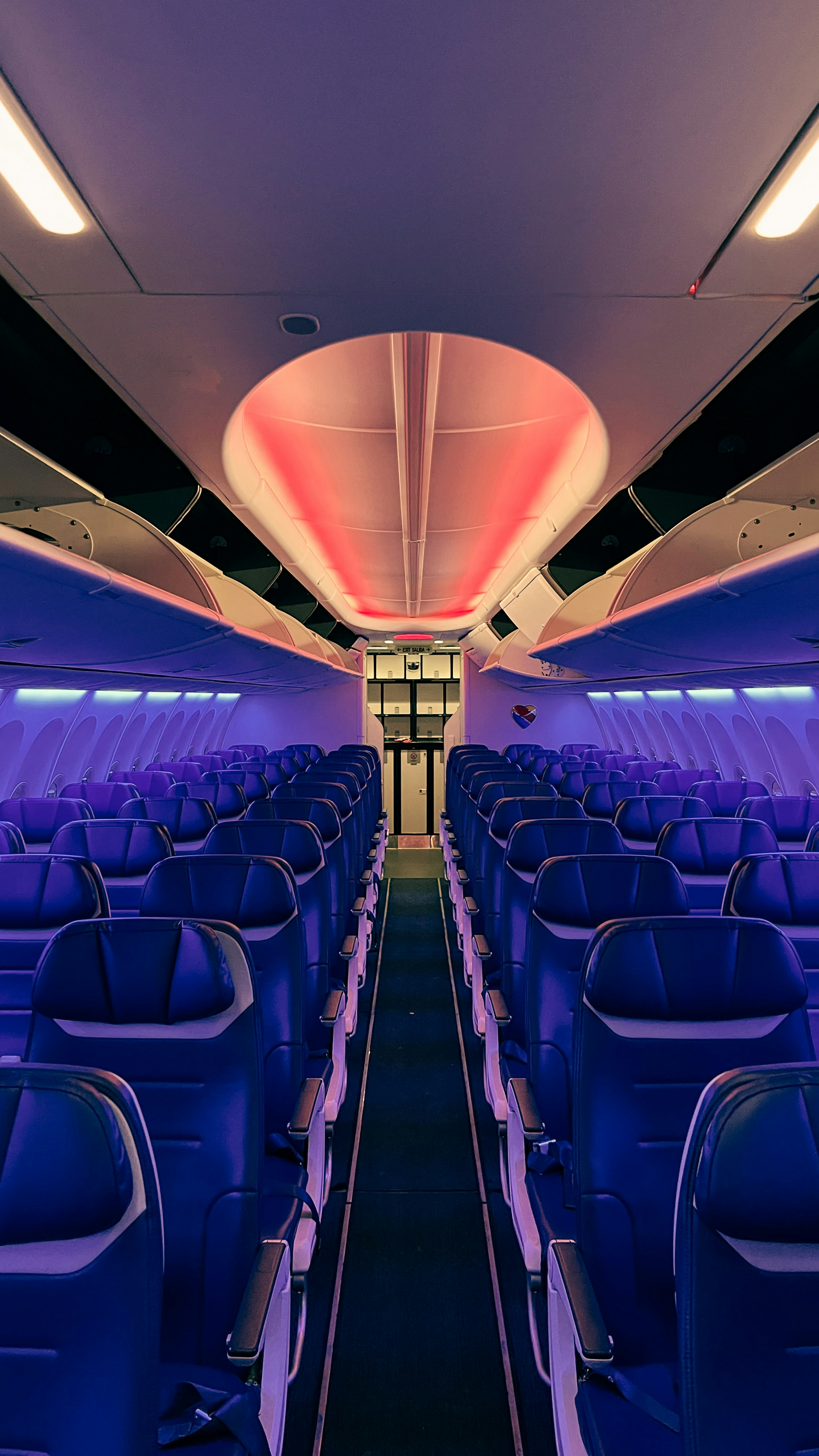
What happens next is surprisingly choreographed. The flight crew has trained for this scenario dozens of times in simulators. The captain radios ahead to coordinate with Salt Lake’s tower while the first officer runs through checklists. Meanwhile, flight attendants walk the aisle, answering questions and keeping people calm.
Most emergency landings aren’t dramatic Hollywood-style events. The vast majority fall into three categories: mechanical warnings that need to be checked out, medical situations requiring faster access to hospitals, or weather diversions. Delta’s internal data shows mechanical precautions account for about 60% of their diversions.
What the Crew Does
When something goes wrong at 35,000 feet, pilots follow a specific hierarchy. First, fly the plane. Then navigate. Then communicate. It sounds simple, but keeping that order straight under pressure takes years of practice.
For the Salt Lake diversion, maintenance teams on the ground were already analyzing data transmitted from the aircraft. By the time the wheels touched down, they had a preliminary idea of what caused the smell (turned out to be a faulty air conditioning component, nothing dangerous).
Medical emergencies play out differently. Flight attendants first check if there’s a doctor or nurse on board – there usually is on a full flight. The crew has access to an onboard medical kit and can connect with MedLink, a service that puts them in touch with emergency physicians on the ground. If someone’s having a heart attack or stroke, the calculus shifts to “where can we land fastest?”
The Ground Response
Salt Lake’s airport had fire trucks positioned along the runway when Flight 1854 landed. Standard protocol for any emergency diversion. Paramedics waited near the gate. A Delta operations manager was there to coordinate rebooking and answer questions.
Most passengers were back in the air within three hours on a different aircraft. The airline covered meal vouchers and, for those who missed connections, hotel rooms.
After every diversion, Delta’s safety team reviews what happened. Not to assign blame, but to find ways to improve. Sometimes that means updating training scenarios. Sometimes it leads to maintenance procedure changes. The goal is making sure the next crew handles a similar situation even better.
Emergency landings remain rare – roughly 1 in every 30,000 flights. But when they happen, the response reveals how much preparation goes on behind the scenes. For the passengers on Flight 1854, what felt like a crisis was actually a well-practiced routine.
Recommended Aviation Gear
David Clark H10-13.4 Aviation Headset – $376.95
The industry standard for aviation headsets, trusted by pilots worldwide.
Pilot’s Handbook of Aeronautical Knowledge – $25.42
The official FAA handbook – essential reading for every pilot.
As an Amazon Associate, we earn from qualifying purchases.

Stay in the loop
Get the latest aviation news updates delivered to your inbox.