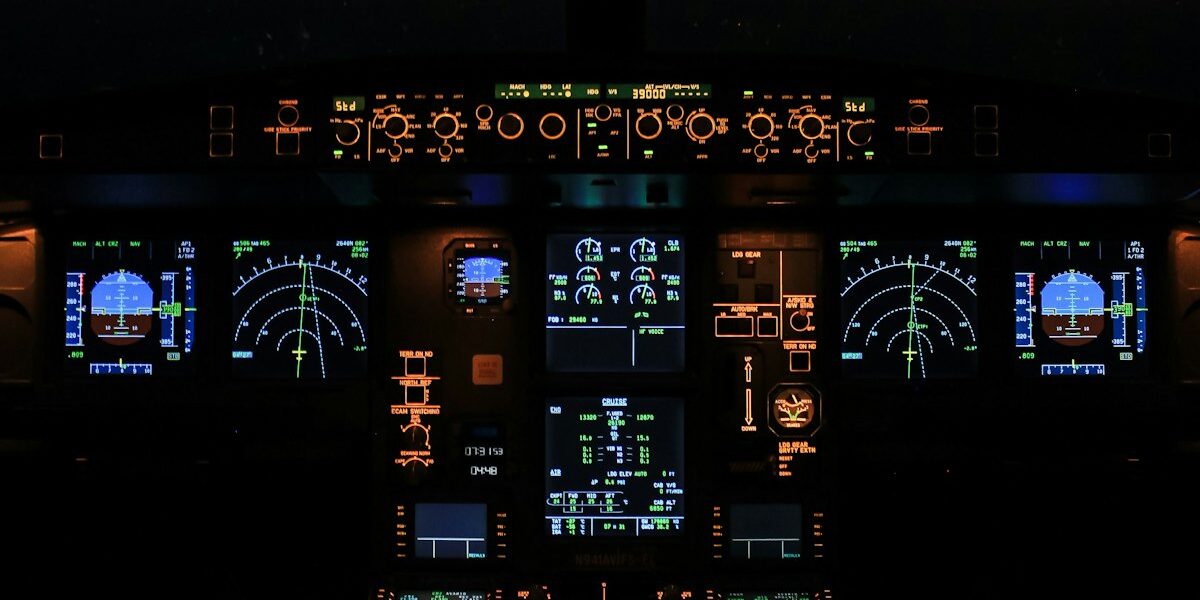

The Millennium Falcon Cockpit: A Deep Dive
Millennium Falcon cockpit details have gotten complicated with all the franchise changes flying around. Today, I will share it all with you.
There’s no ship in all of science fiction that hits quite like the Falcon. And when you really dig into it, the cockpit is what makes the whole thing feel real. It’s not just a pretty set piece — it’s got layers of thought behind every toggle, every worn-out panel, and every smudged viewport. Let me walk you through it.
Design and Layout
The cockpit sits on the right side of the ship, which is a weird choice if you think about it. Most spacecraft — real or fictional — put their cockpits dead center. But the Falcon’s designers went off-center, and I think that’s a big part of why the ship’s silhouette is so instantly recognizable. You see that lopsided profile and you just know what you’re looking at.
Inside, the whole space screams “working freighter.” There’s room for four: the pilot seat, a co-pilot seat, and two spots in the back for passengers. Everything looks used. The surfaces are scuffed, the panels are dinged up, and nothing looks factory-fresh. That’s intentional. The Falcon was built as a YT-1300 Corellian freighter, basically a space truck. Han and Chewie turned it into something legendary, but they never bothered polishing it up.
And then there are the controls. Buttons everywhere. Levers, switches, dials — it looks chaotic at first glance. But here’s the thing: if you watch Han and Chewie work the board, there’s a rhythm to it. They know exactly where everything is. The apparent mess actually makes sense once you’ve spent enough hours in that seat. I’ve always loved that about the design. It feels lived-in, not sterile.
Technical Components
The tech inside the Falcon’s cockpit isn’t just window dressing. The hyperdrive controls take center stage, and they should — the Falcon’s speed is basically her whole reputation. Those big levers that Han yanks to punch it into hyperspace? They’re probably the most recognizable controls in movie history. The original YT-1300 didn’t come with anything that fancy. Owners had to mod these ships themselves, and Han clearly went all in on the upgrades.
Display screens line the walls, and they’re constantly feeding info back to whoever’s flying. Shield status, navigation data, enemy positions — it’s all right there. The radar screens give a wide sweep of the surrounding area, which comes in pretty handy when you’ve got TIE fighters on your tail or you’re threading your way through an asteroid field at full throttle.
Pilot and Co-Pilot Roles
I find it fascinating how clearly defined the two seats are. The pilot handles the stick-and-rudder stuff — navigation, evasive maneuvers, all the split-second decisions. Han Solo owned that seat. His reflexes were ridiculous, and he had this instinct for reading star paths that made him one of the best pilots in the galaxy.
The co-pilot’s job is a completely different animal. Chewie managed the systems: diagnostics, shields, weapons when needed. His technical chops and raw strength made him the perfect complement to Han’s fly-by-the-seat-of-his-pants style. They didn’t just work together; they functioned as two halves of one brain.
Iconic Features
Let’s talk about those viewports. The wrap-around windows on the Falcon’s cockpit give you this incredible panoramic view. From a storytelling perspective, they’re genius. They let the camera sit behind our heroes and show us exactly what they’re seeing. From a practical in-universe standpoint, that kind of visibility is essential when you’re dodging asteroids or trying to outrun a Star Destroyer.
Then there are the chairs. They’re beat up, worn down, and look like they’ve seen a hundred rough landings. But they’ve got harnesses built in, which you’d absolutely need given the kind of flying Han does. I’ve always thought the chairs tell you more about the Falcon’s history than almost anything else in the cockpit. They look comfortable in a broken-in kind of way, like a favorite pair of boots.
Cultural Significance
Here’s where things get really interesting for me. The Falcon’s cockpit isn’t just a fictional space — it’s become a genuine cultural landmark. I know people who’ve built full-scale replicas in their garages. There are scale models, LEGO sets, theme park rides. Galaxy’s Edge at Disney literally lets you sit in the cockpit and fly the thing. That’s how deeply this design has burrowed into our collective imagination.
It’s also a symbol of something bigger. The cockpit represents adventure, freedom, the idea that you can hop in a beat-up ship and change the galaxy. Decades after A New Hope hit theaters, it still resonates. New fans discover it and feel the same pull that hooked the rest of us all those years ago.
Legacy and Influence
The Falcon’s cockpit design has left fingerprints all over modern sci-fi. That offset placement? You see echoes of it in other franchises now. The lived-in aesthetic basically spawned a whole subgenre of “used future” design in film and television. Before the Falcon, spaceships in movies tended to look pristine. After it, filmmakers realized that grime and wear could make a fictional world feel tangible.
The merchandise alone tells you how influential this design has been. From toys to video games to theme parks, the cockpit keeps showing up. It’s not going anywhere, and honestly, I don’t think any of us want it to.
Recent Appearances and Updates
In the sequel trilogy and Solo: A Star Wars Story, we got to see the cockpit with some tweaks. The production designers walked a fine line — they modernized certain elements for today’s cameras and effects, but they kept the bones the same. Smart move. You don’t mess with what works.
What I appreciated most was that the core elements stayed put. The levers, the screens, the general layout — it all felt right. The blend of old and new tech mirrors the franchise itself: always evolving, but never forgetting where it came from. Fans notice these details, and they matter more than you might think.
Conclusion
When you step back and look at everything the Millennium Falcon’s cockpit represents, it’s pretty remarkable. It’s a fictional space, sure, but it’s one that’s shaped how we think about spacecraft design, adventure, and storytelling. The worn panels, the chaotic controls, the offset placement — all of it works together to create something that feels genuinely real. I don’t think we’ll see another cockpit design with this kind of staying power anytime soon. And for those of us who grew up dreaming about sitting in that pilot’s seat, it’ll always be home.
Recommended Aviation Gear
David Clark H10-13.4 Aviation Headset – $376.95
The industry standard for aviation headsets, trusted by pilots worldwide.
Pilot’s Handbook of Aeronautical Knowledge – $25.42
The official FAA handbook – essential reading for every pilot.
As an Amazon Associate, we earn from qualifying purchases.



Stay in the loop
Get the latest aviation news updates delivered to your inbox.