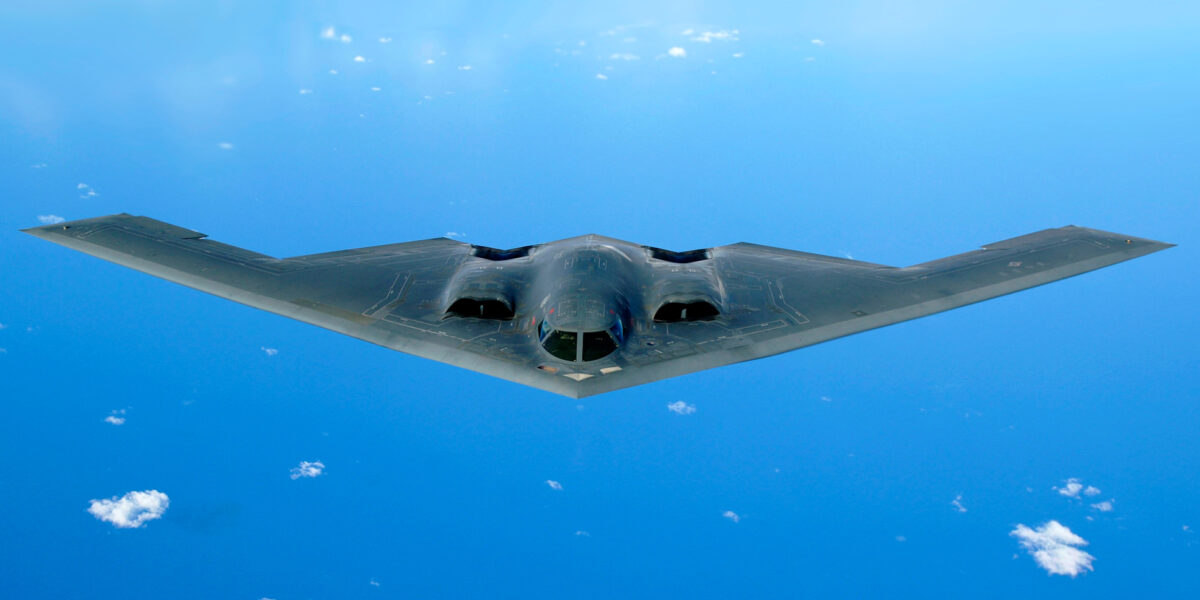

The B-2 Spirit: Inside the Cockpit of a Stealth Bomber
B-2 cockpit details have gotten complicated with all the classification and speculation flying around. Today, I will share it all with you.
The B-2 Spirit — you’ve probably heard it called the B2 bomber in casual conversation — is genuinely one of the wildest pieces of aviation engineering humans have ever built. I’m not exaggerating. Its stealth capabilities rewrote the entire playbook on how modern air warfare works. And at the center of this incredible machine? A cockpit where just two people manage everything. Two. For an aircraft that can deliver nuclear payloads across continents.
That Flying Wing Shape Changes Everything
Here’s the thing about the B-2 that most people don’t fully appreciate: it’s a flying wing. No tail. No fuselage sticking out the back. No vertical stabilizers poking up. Nothing. Just wing. It looks like something out of a sci-fi movie, and honestly, it kind of is.
That shape is absolutely critical for dodging radar, but it creates some real headaches for the folks sitting up front. The cockpit sits at the very nose of the aircraft, and your field of view? Let’s just say it’s not panoramic. You’ve got limited directional visibility because of how the wing sweeps back around you. It’s a trade-off the designers made deliberately — stealth over sightlines.
But here’s where it gets interesting. The B-2’s electronic systems more than compensate for what your eyes can’t see. Pilots aren’t relying on looking out the window the way you might in a Cessna. They’re flying by instruments, by data, by the information pouring across their screens. It’s a completely different way of operating an aircraft, and it takes a particular kind of pilot to thrive in that environment.
Inside the Cockpit: Two Seats, a Ton of Screens
The B-2 cockpit seats two crew members side by side — the pilot on the left and the mission commander on the right. If you’re picturing a cockpit full of old-school analog gauges and toggle switches like a B-52, think again. This thing is digital from floor to ceiling.
I find it fascinating how Northrop Grumman approached the instrument layout. They ditched the analog dials that cluttered up earlier bomber cockpits and went all-in on computer displays and electronic instruments. Everything’s designed so you can read it fast and act on it faster, which matters a lot when you’re deep in hostile airspace. Both crew members have their own dedicated controls and displays, but they can swap roles if something goes sideways. That redundancy isn’t just nice to have — it’s potentially life-saving.
- Primary Displays: The Electronic Flight Instrument System (EFIS) is your bread and butter here. It feeds you altitude, speed, heading — all the critical flight data you’d expect. Then there’s the Heads-up Display, or HUD, which becomes absolutely essential during nighttime ops or when the weather turns ugly. I’ve read accounts from pilots who say the HUD integration is what makes low-visibility missions possible.
- Navigation Equipment: This is where things get seriously impressive. GPS, radar, and inertial navigation systems all work in concert to deliver pinpoint accuracy. If you need to reroute mid-mission — say, because a target’s changed or threats have shifted — the navigation suite handles it. The precision these systems achieve is honestly kind of mind-boggling when you think about the distances involved.
- Communications Systems: You can’t fly a stealth bomber without rock-solid comms. The secure communication channels on the B-2 keep the crew connected to ground control and other aircraft in the formation. And “secure” is doing a lot of heavy lifting in that sentence — we’re talking about encrypted links that need to work reliably even while the aircraft is trying to remain invisible to everything else.
What This Bomber Can Actually Do
The mission range of the B-2 still blows my mind every time I think about it. We’re talking about an aircraft that can fly strategic bombing missions — conventional or nuclear — and cover over 6,000 nautical miles without ever needing to refuel. Six thousand. And if that’s not enough? In-air refueling extends its reach even further. It’s essentially a global-range bomber, which is exactly what the Air Force wanted when they commissioned it.
But range alone doesn’t make the B-2 special. It’s the stealth piece that really sets it apart. The cockpit systems feed real-time data on the aircraft’s radar cross-section directly to the pilots. Think about that for a second — you’re flying along, and your instruments are telling you exactly how visible you are to enemy radar at any given moment. That allows the crew to tweak their course and altitude on the fly, staying in the sweet spot where they’re effectively invisible. Being able to slip into enemy airspace without anyone knowing you’re there? That’s a game-changer, and the cockpit is where all of that decision-making happens.
Stealth Tech and Keeping the Crew Alive
I could talk about the B-2’s stealth capability for hours, honestly. It’s not just one thing — it’s a whole system working together. The radar-absorbent materials coating the aircraft, the very shape of the airframe, the way every surface is angled to deflect radar energy away from its source. Even the cockpit itself is designed to shield the crew from radar emissions so it doesn’t compromise the aircraft’s stealth profile. That level of integration is remarkable.
On the safety side, the B-2 doesn’t cut corners. Both crew positions have ejection seats, which is pretty much non-negotiable when you’re flying missions that might take you deep into hostile territory. There’s also significant equipment redundancy built into the cockpit systems. If one system fails, backups kick in. If those fail, there are additional fallback options. The engineers who designed this thing understood that a $2 billion aircraft carrying a two-person crew on a nuclear-capable mission absolutely cannot have single points of failure.
Automation: The Third Crew Member
I sometimes think of the B-2’s automation as an unofficial third crew member. It handles a huge amount of the routine flight operations — the stuff that would otherwise eat up the pilot’s attention and keep them from focusing on what actually matters during a mission. Systems management, diagnostics monitoring, parameter adjustments — the automation takes care of a lot of it.
That said, don’t let anyone tell you the pilots are just along for the ride. They’re absolutely not. The human element is still what makes this aircraft effective in unpredictable situations. Situational awareness, threat assessment, the ability to make split-second calls when something unexpected happens — no automation can fully replicate that. What the training programs emphasize, from what I’ve gathered, is finding that balance. You lean on the automation for what it does well, but you never let yourself get so dependent that you can’t take manual control when the situation demands it. It’s a delicate dance, and mastering it separates good B-2 crews from great ones.
The Training Pipeline Is No Joke
You don’t just walk up to a B-2 and start flying. The selection process alone is incredibly competitive, and that’s before you even start the actual training program. Crews need to learn the aircraft inside and out — not just how to fly it, but how to manage every one of its interconnected systems under pressure.
Simulators are a massive part of the process. They replicate the B-2 cockpit environment with stunning fidelity, letting pilots run through every scenario imaginable before they ever leave the ground. Engine failures, navigation system malfunctions, threat encounters, weather complications — they practice all of it in sim before doing it for real.
And the learning never stops. The Air Force pours serious resources into continuous education for B-2 crews. New mission types, updated threat environments, evolving tactics — the crew members need to stay current on all of it. It’s a career-long commitment to being the best at an incredibly demanding job.
How the Avionics Have Evolved Over the Decades
When the B-2 first flew in 1989, it was running on what was then cutting-edge technology. But “cutting-edge late 1980s” and “cutting-edge today” are very different things. The avionics have been through multiple rounds of upgrades since then, and each one has been a careful balancing act.
Here’s the challenge: every time you upgrade a system on the B-2, you risk compromising its stealth characteristics. New antennas, different wiring runs, modified panel layouts — all of that has to be tested exhaustively to make sure the aircraft’s radar signature hasn’t changed in ways that would make it detectable. It’s not like upgrading the infotainment system in your car. Every modification goes through rigorous evaluation before it gets approved for installation.
The payoff, though, is that the B-2’s electronic warfare capabilities and navigation systems are significantly more capable than what the original aircraft rolled out with. These incremental improvements have kept the Spirit relevant and effective against modern threats that didn’t even exist when the aircraft was designed. I think that’s a testament to how well Northrop Grumman built the foundation — they created an airframe that could grow and adapt over decades.
Where Things Stand Now
The B-2 isn’t in production anymore — the line closed after just 21 aircraft were built. But its impact on military aviation and strategic doctrine is massive and ongoing. Every time I look at what’s happening in the cockpit of a B-2, I see this incredible convergence of technology and human skill that still hasn’t been matched by much else in the aviation world.
As the Spirit continues to serve alongside newer platforms, it remains a testament to what happens when you combine bold engineering with world-class pilots. The cockpit of the B-2 isn’t just a workplace — it’s where some of the most consequential military decisions in modern history get made, by two people surrounded by screens, flying a machine that most of the world can’t even see coming. And I think that’s pretty remarkable.
Recommended Aviation Gear
David Clark H10-13.4 Aviation Headset – $376.95
The industry standard for aviation headsets, trusted by pilots worldwide.
Pilot’s Handbook of Aeronautical Knowledge – $25.42
The official FAA handbook – essential reading for every pilot.
As an Amazon Associate, we earn from qualifying purchases.


Stay in the loop
Get the latest aviation news updates delivered to your inbox.