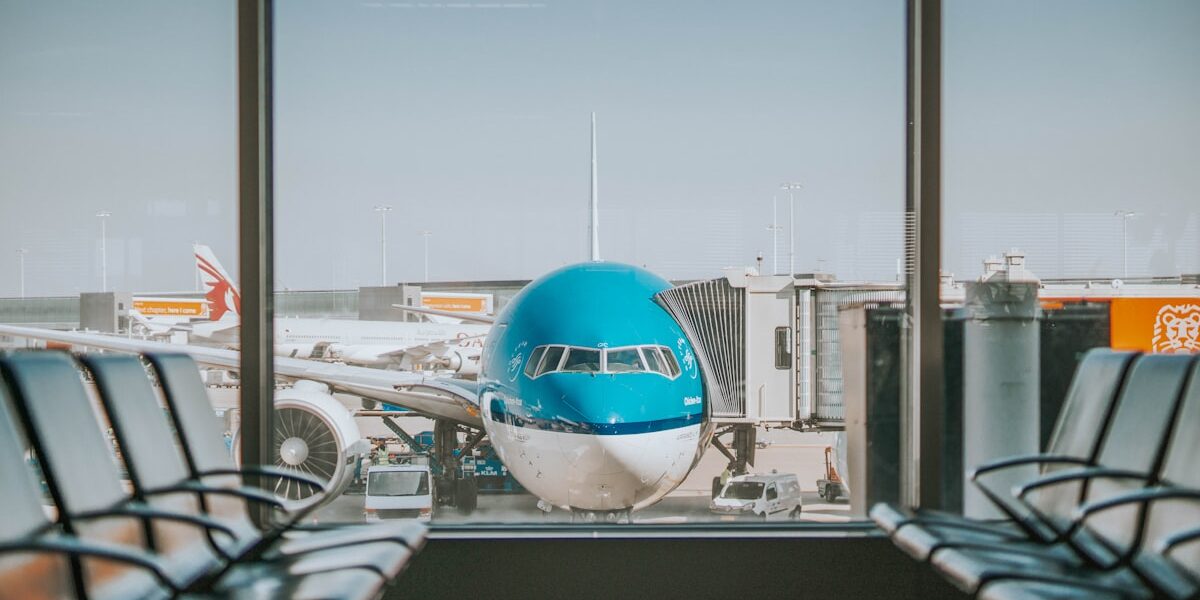
Hilo International Airport serves Hawaii’s Big Island’s eastern side, providing access to Volcanoes National Park, waterfalls, and lush rainforest landscapes.

Location Context
Hilo sits on the wet, green side of the Big Island – opposite from sunny Kona. Rainfall is frequent but landscapes are dramatically different from the leeward coast. Choosing Hilo versus Kona depends on your intended activities.
Airline Service
Hawaiian Airlines dominates with frequent interisland flights. Limited mainland service exists seasonally. Most visitors connect through Honolulu or Kona. The route network reflects Hilo’s smaller population.
Airport Facilities
The terminal is small and functional. Open-air design reflects Hawaiian airport tradition. Food options are limited. The experience is efficient rather than luxurious.
Ground Transportation
Rental cars are essential for exploring. Book early during peak seasons. The town of Hilo sits minutes from the airport. Volcanoes National Park requires about 45 minutes of driving.
Volcano Access
Hawaii Volcanoes National Park draws most Hilo-bound visitors. The active volcanic landscape provides experiences available nowhere else. Staying on the Hilo side keeps you close to the park.
Weather Considerations
Hilo receives significant rainfall – among the wettest cities in the US. Afternoon showers are common. This creates the waterfalls and lush vegetation but affects outdoor plans. Flexible itineraries help.
Alternative Routing
Some visitors fly into Kona and drive across the island, or vice versa for one-way rental itineraries. This allows experiencing both sides without backtracking. Compare flight schedules and rental costs when planning.



Stay in the loop
Get the latest aviation news updates delivered to your inbox.