
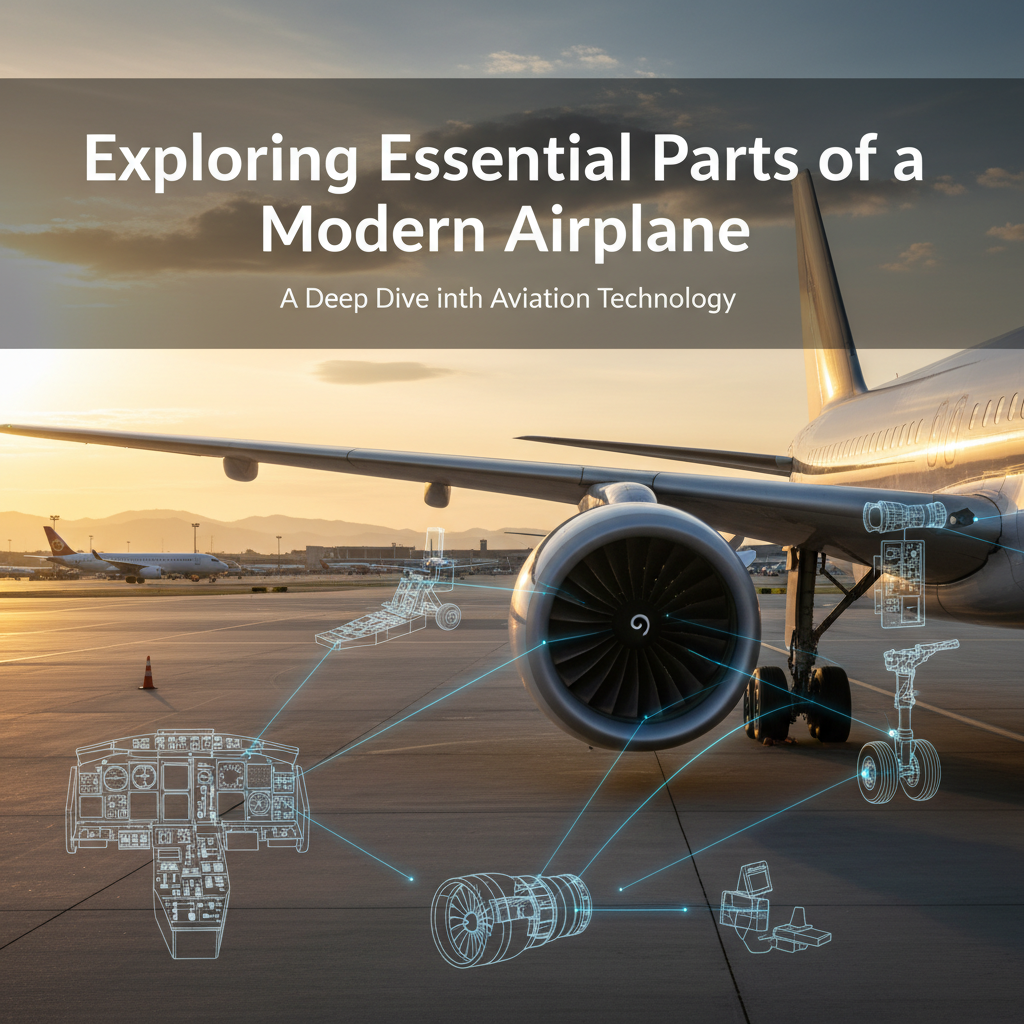
Modern airplanes contain millions of parts working together. Understanding the major components helps appreciate the engineering complexity that enables flight.
Fuselage
The body houses passengers, crew, and cargo. Pressurization allows comfortable high-altitude flight. Structural engineering balances strength against weight. Windows, doors, and cargo holds integrate into the pressure vessel.
Wings
Wings generate lift through their shape and angle. They also carry fuel and support engines on many designs. Flaps and slats increase lift for takeoff and landing. Ailerons provide roll control.
Empennage
The tail section includes horizontal and vertical stabilizers. Elevators control pitch. Rudder controls yaw. These surfaces provide stability and control authority at all speeds.
Engines
Turbofans power most commercial aircraft. They combine jet thrust with bypass air for efficiency. Mounting locations vary – under wings, at the tail, or within the fuselage. Engine selection defines aircraft capabilities.
Landing Gear
Wheels, struts, and brakes enable ground operations. Retraction mechanisms store gear in flight to reduce drag. Nose gear provides steering during taxi. Main gear absorbs landing loads.
Flight Controls
Primary controls include ailerons, elevators, and rudder. Secondary controls include flaps, slats, spoilers, and trim systems. Fly-by-wire systems translate pilot inputs to control surface movements electronically.
Avionics
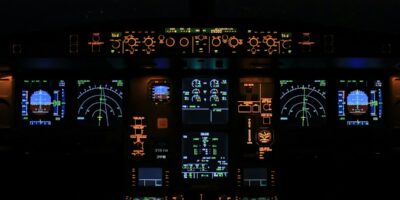
Electronic systems handle navigation, communication, and aircraft management. Glass cockpits replace traditional instruments. Autopilots reduce pilot workload. Modern avionics enable capabilities impossible with older technology.


Stay in the loop
Get the latest aviation news updates delivered to your inbox.