Safety pilots fill a specific role in aviation training and currency maintenance. Understanding the requirements helps pilots know when they need one and who qualifies.
When You Need One
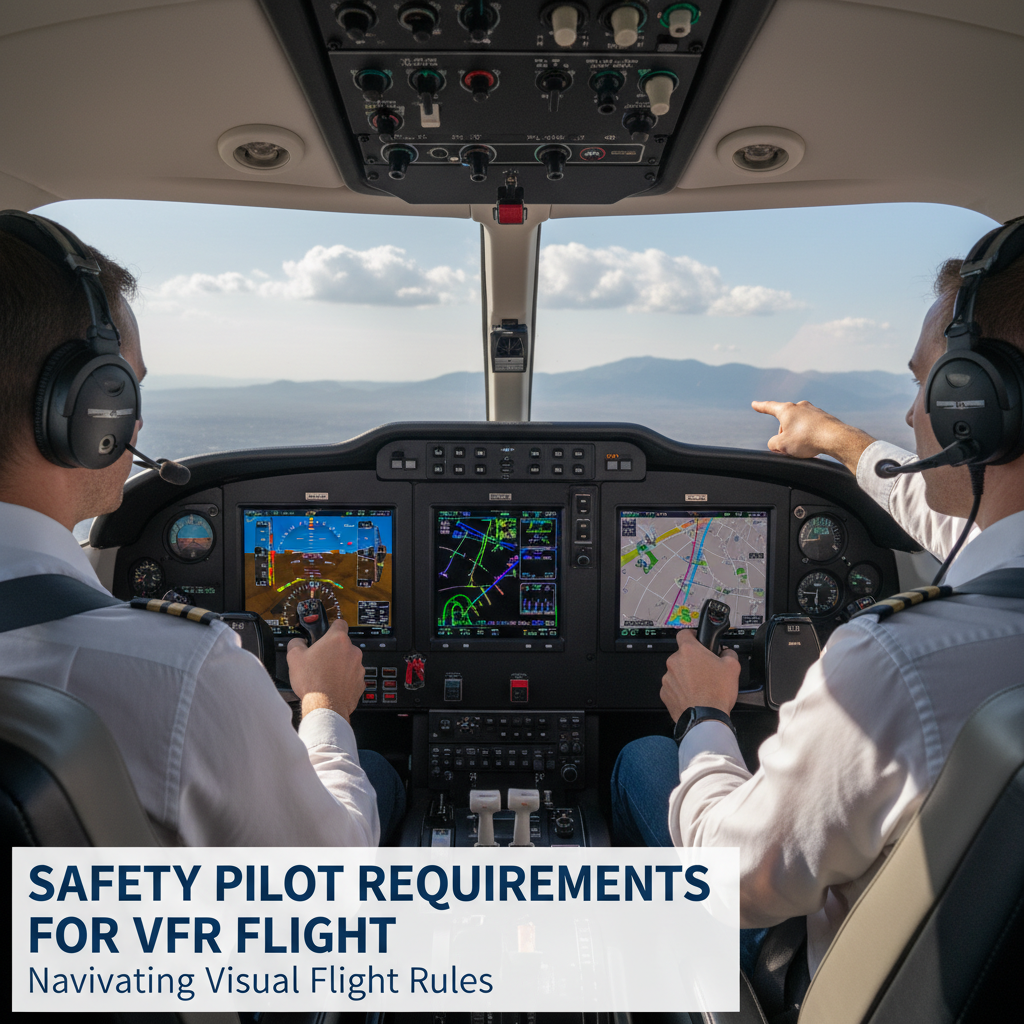
Simulated instrument conditions require a safety pilot. If you’re wearing a view-limiting device to practice approaches under the hood, someone must watch for traffic. Regulations don’t allow pilots to fly blind without another set of eyes.
Basic Requirements
Safety pilots need at least a private pilot certificate and a current medical. They must be rated for the aircraft category – a helicopter pilot can’t serve as safety pilot in an airplane. These minimums ensure basic competency.
Seat Position
Safety pilots must sit in a position with adequate visibility and access to controls. In most training aircraft, this means the right seat. They need to be able to take over immediately if traffic appears.
Logging Time
Both pilots can log flight time during safety pilot operations, but differently. The pilot flying under the hood logs simulated instrument time. The safety pilot logs second-in-command time if the aircraft requires two pilots, or pilot-in-command time if they’re the acting PIC.
PIC Responsibilities
Someone must be designated pilot-in-command for each flight. This determines who’s legally responsible. Safety pilots can be PIC if both pilots agree, regardless of who’s actually manipulating controls.
Currency Benefits
Serving as safety pilot helps maintain proficiency between your own flights. You stay engaged with procedures, communication, and decision-making. The time logged contributes to experience even when you’re not flying.


Stay in the loop
Get the latest aviation news updates delivered to your inbox.