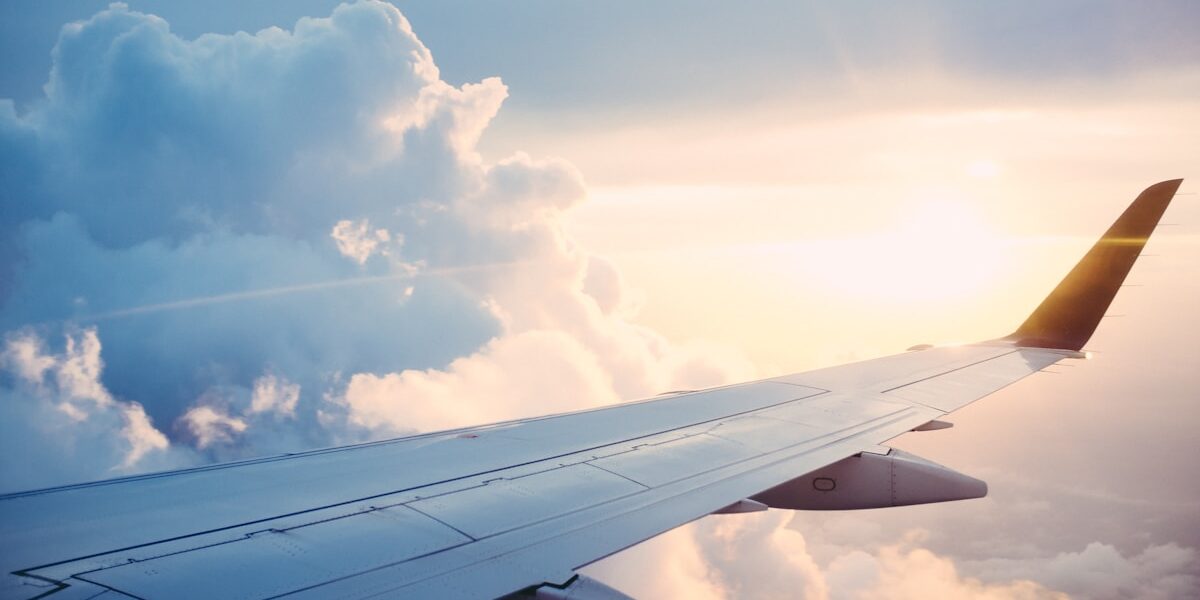
Airlines don’t call them overnight flights. The industry term is “red-eye,” and there’s a reason it stuck: you’ll arrive looking like you’ve been awake for days, because you probably have been.
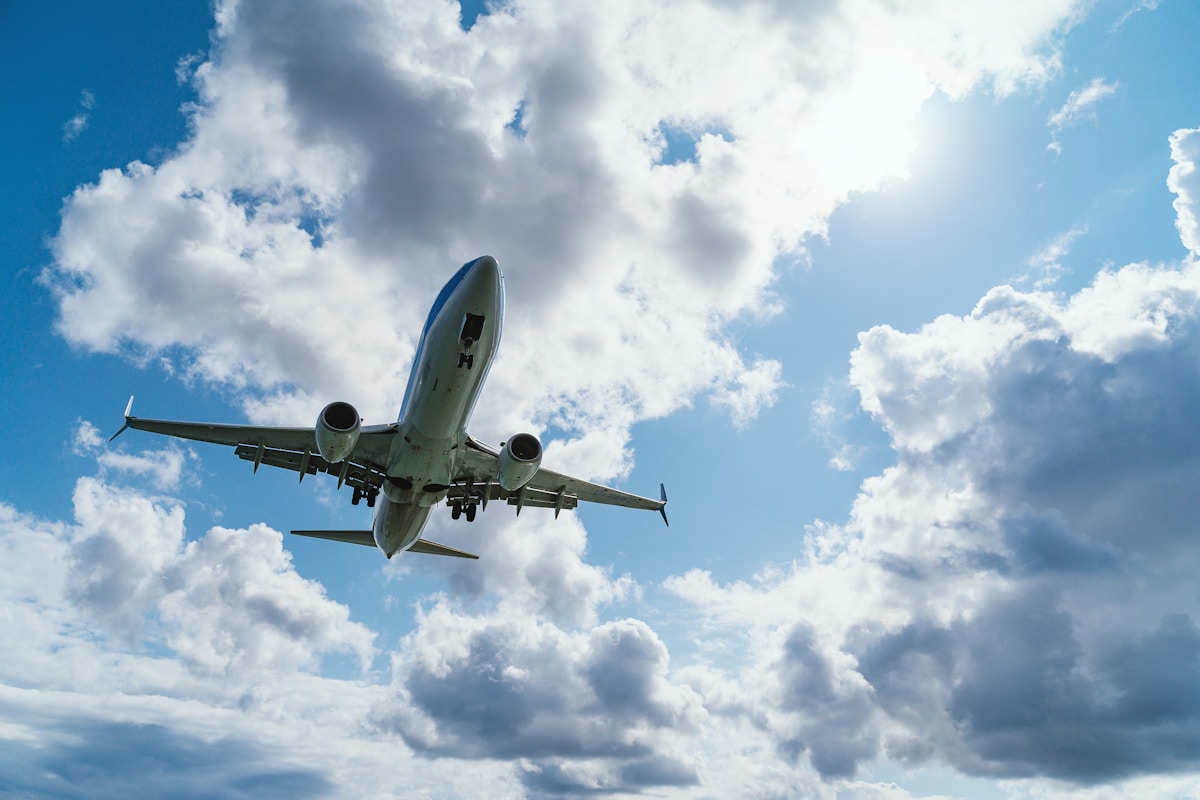
Red-eyes typically depart between 9 PM and 1 AM, landing early the next morning. The Los Angeles to New York route is the classic example – leave LAX at 11 PM, land at JFK around 7 AM. You’ve crossed the country while theoretically sleeping.
Why People Fly Red-Eye
The math is straightforward. A daytime cross-country flight eats six hours of your day. A red-eye converts that travel time into sleep time – or at least the attempt at sleep. Business travelers love them for exactly this reason. You can work a full day in San Francisco, fly overnight, and walk into a 9 AM meeting in Manhattan.
They’re also cheaper. Airlines struggle to fill late-night departures, so fares drop. A Monday morning departure might cost $400 while the Sunday night red-eye runs $250. For leisure travelers on a budget, that math makes sense.
The Reality of Sleeping on a Plane
Here’s the truth nobody advertises: sleeping on an economy red-eye is hard. You’re in a 17-inch wide seat that barely reclines. The cabin dims but never goes fully dark. Someone’s reading light is always on. The person behind you keeps bumping your headrest.
Window seats help. You get a wall to lean against and control over the shade. Bring a real travel pillow – not the inflatable garbage from airport kiosks. Noise-canceling headphones or good earplugs are mandatory. Some people swear by melatonin, though you should test that before your flight rather than discover it doesn’t work for you at 30,000 feet.
Managing the Arrival
The hard part isn’t the flight. It’s the next day. You’ll land at 6 or 7 AM feeling like it’s 3 AM, because your body thinks it is. The temptation is to check into your hotel and crash, but that’s how you guarantee a brutal jet lag cycle.
Better strategy: power through until evening. Get sunlight. Drink water, not coffee (you’re already dehydrated from the flight). Take a shower if you can find one. Airport lounges often have them, or some hotels let you access their gym facilities before check-in.
By 8 or 9 PM local time, you’ll be legitimately exhausted. Go to sleep then, wake up the next morning, and you’re on local time. Skip this step and you’ll spend three days feeling off.
When Red-Eyes Make Sense
Short trips where you can’t spare a day of travel. Business trips where the morning meeting is non-negotiable. Situations where saving $150 matters more than comfort. Routes where the red-eye is the only nonstop option.
When they don’t make sense: any trip where you need to perform at your best immediately after landing. Job interviews. Weddings. Important presentations. The money saved isn’t worth showing up exhausted for moments that matter.
Red-eyes are a tool. Used strategically, they’re useful. Used carelessly, they’ll leave you wrecked for days. Know which category your trip falls into before you book.


Stay in the loop
Get the latest aviation news updates delivered to your inbox.