
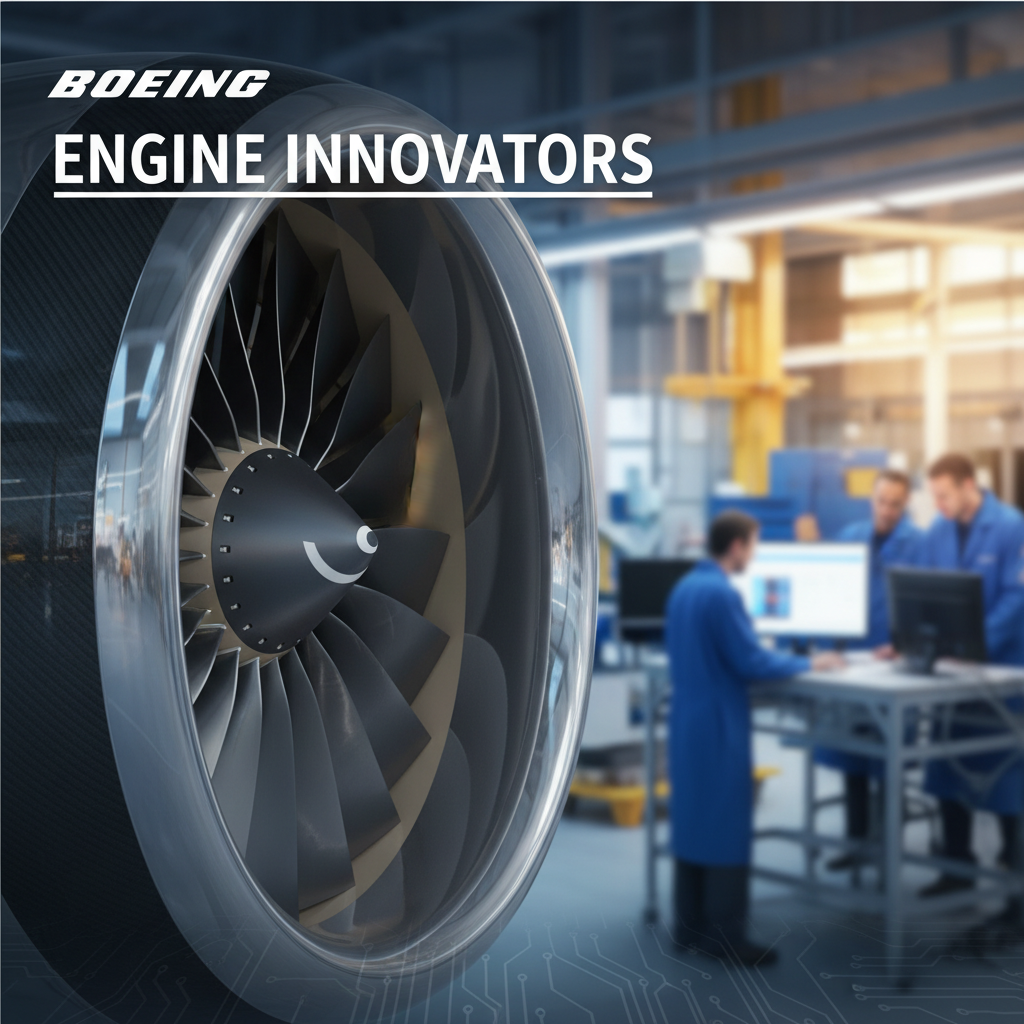
Boeing doesn’t build its own engines. Different manufacturers supply powerplants for different aircraft models. Understanding who makes what helps decode aviation’s complex supply chain.
GE Aviation
General Electric powers many Boeing widebodies. The GE90 series on 777s held the world’s most powerful engine title for years. GE9X engines power the 787. The relationship between Boeing and GE spans decades.
CFM International
CFM is a joint venture between GE and Safran. Their LEAP engines power 737 MAX aircraft. The older CFM56 powered previous 737 generations. CFM dominates the narrowbody market globally.
Rolls-Royce
The British manufacturer offers alternatives on several Boeing models. Trent engines power some 777s and 787s. Airlines choose between competing engines based on performance, maintenance costs, and existing fleet commonality.
Pratt & Whitney
P&W engines appear less frequently on Boeing aircraft than Airbus. Some older 747s used P&W engines. Current Boeing models lean toward GE and Rolls-Royce options.
Engine Selection
Airlines, not Boeing, choose which engine goes on their aircraft. This decision involves total cost of ownership, maintenance network coverage, and fleet standardization. Two identical Boeing aircraft might have different engines.
Exclusivity Arrangements
Some aircraft have exclusive engine suppliers. The 737 MAX only offers CFM LEAP. The 787 offers GE and Rolls-Royce but not CFM or P&W. These arrangements involve complex business negotiations.
Future Developments
Next-generation engines promise significant efficiency improvements. Open rotor designs and sustainable aviation fuel compatibility drive development. Engine technology often advances faster than airframe design.



Stay in the loop
Get the latest aviation news updates delivered to your inbox.