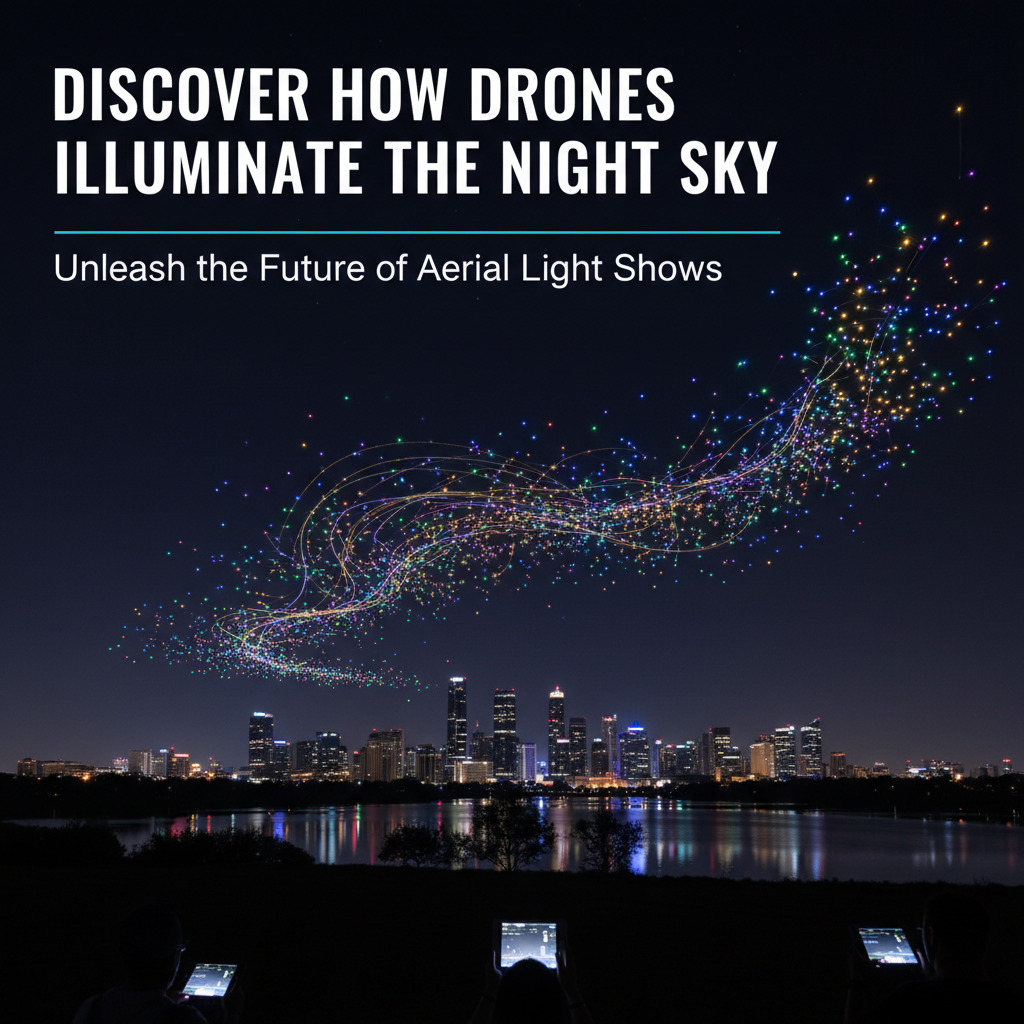
Drone light shows have replaced fireworks at many events. Hundreds or thousands of drones create images in the night sky that pyrotechnics can’t match. The technology continues advancing rapidly.
How They Work
Each drone carries LED lights and GPS receivers. Ground computers coordinate positions and colors. The swarm acts as a massive three-dimensional display. Precise synchronization creates recognizable shapes, text, and animations.
Scale Matters
More drones mean higher resolution. Early shows used dozens of units. Current productions deploy thousands. The record stands above 5,000 drones forming images visible from miles away. Scale requires sophisticated coordination systems.
Safety Advantages
Unlike fireworks, drone shows produce no debris, smoke, or fire hazard. They can operate over crowds more safely. Wildlife isn’t startled by explosions. The environmental and safety benefits attract venues that banned fireworks.
Weather Limitations
Wind, rain, and cold affect drone performance. Shows require calm conditions. Backup dates are standard practice. Weather cancellations disappoint audiences but protect expensive equipment.
Cost Comparison
Major drone shows cost more than traditional fireworks. Equipment, operators, and FAA coordination add up. However, drones are reusable while fireworks are single-use. For regular events, economics may favor drones long-term.
Creative Possibilities
Fireworks create explosions of color. Drones create programmable images – logos, characters, animated sequences. The creative canvas is fundamentally different. Brands and storytellers see possibilities fireworks couldn’t offer.
Future Development
Smaller, brighter, longer-lasting drones are coming. AI coordination will enable more complex choreography. The technology is still early. Shows five years from now will make today’s productions look primitive.



Stay in the loop
Get the latest aviation news updates delivered to your inbox.