
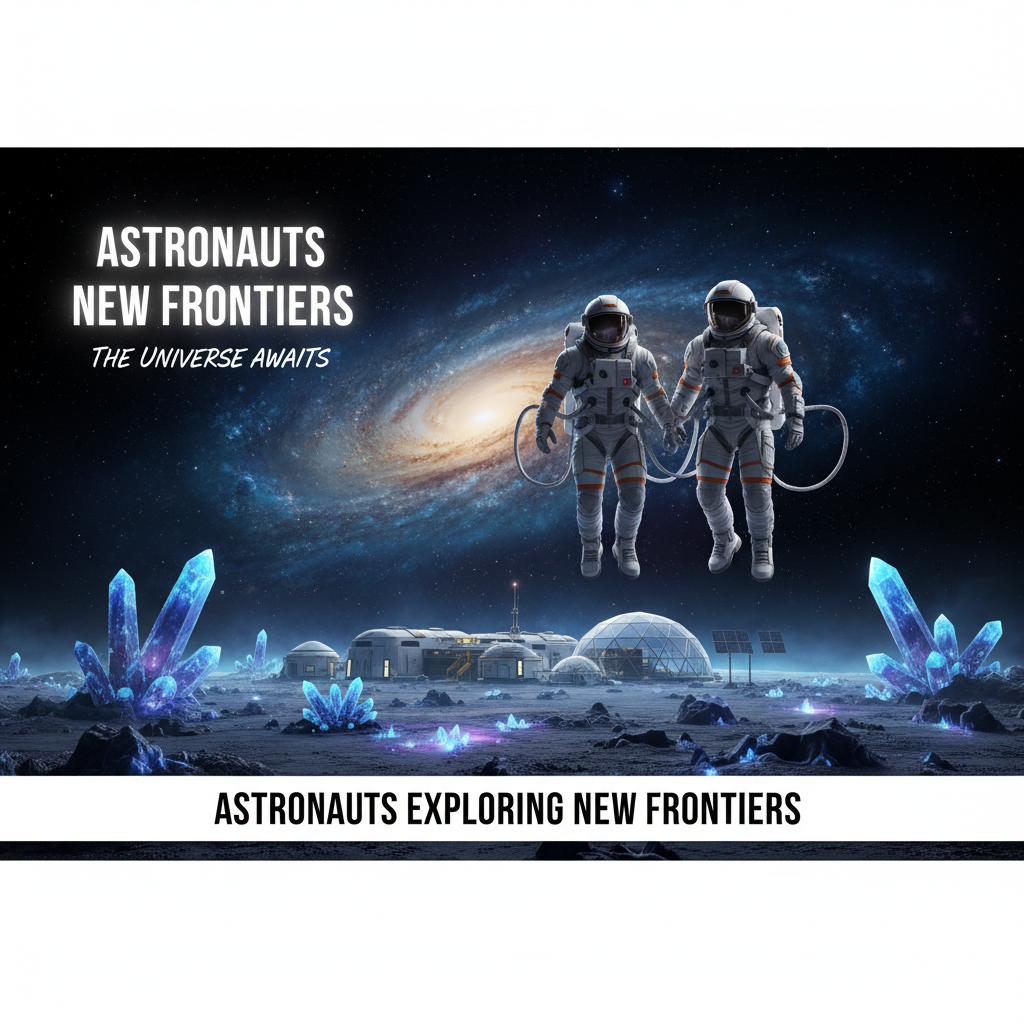
Astronauts represent humanity’s presence beyond Earth. Their work on the International Space Station, commercial spacecraft, and future missions advances knowledge and inspires generations.
Selection Process
NASA and other space agencies receive thousands of applications for astronaut positions. Physical fitness, advanced education, and demonstrated performance matter. Most selectees bring military aviation or scientific research backgrounds. Competition is intense.
Training Requirements
Years of preparation precede spaceflight. Survival training, spacecraft systems, scientific procedures, and physical conditioning fill the curriculum. Astronauts must function in emergencies without Earth-based support.
ISS Operations
Current astronauts spend months aboard the International Space Station. Microgravity research, station maintenance, and Earth observation fill their schedules. Video calls with schools inspire future generations. The work balances science with public engagement.
Physical Demands
Space is hard on human bodies. Bone loss, muscle atrophy, and fluid shifts create medical challenges. Exercise requirements are substantial. Returning to Earth after long missions requires readaptation. The body wasn’t designed for microgravity.
Commercial Crew
SpaceX and Boeing now transport astronauts to orbit. These commercial partnerships expand access while NASA focuses on deep space objectives. The industry is changing from government monopoly to commercial service.
Future Missions
Artemis aims to return humans to the Moon. Mars remains the ultimate human spaceflight goal. Current astronauts may fly missions that current technology doesn’t yet support. The timeline is uncertain but the direction is clear.
Public Inspiration
Astronauts serve as role models and science communicators. Their visibility encourages STEM education. The human presence in space continues to capture imagination despite becoming almost routine operationally.



Stay in the loop
Get the latest aviation news updates delivered to your inbox.