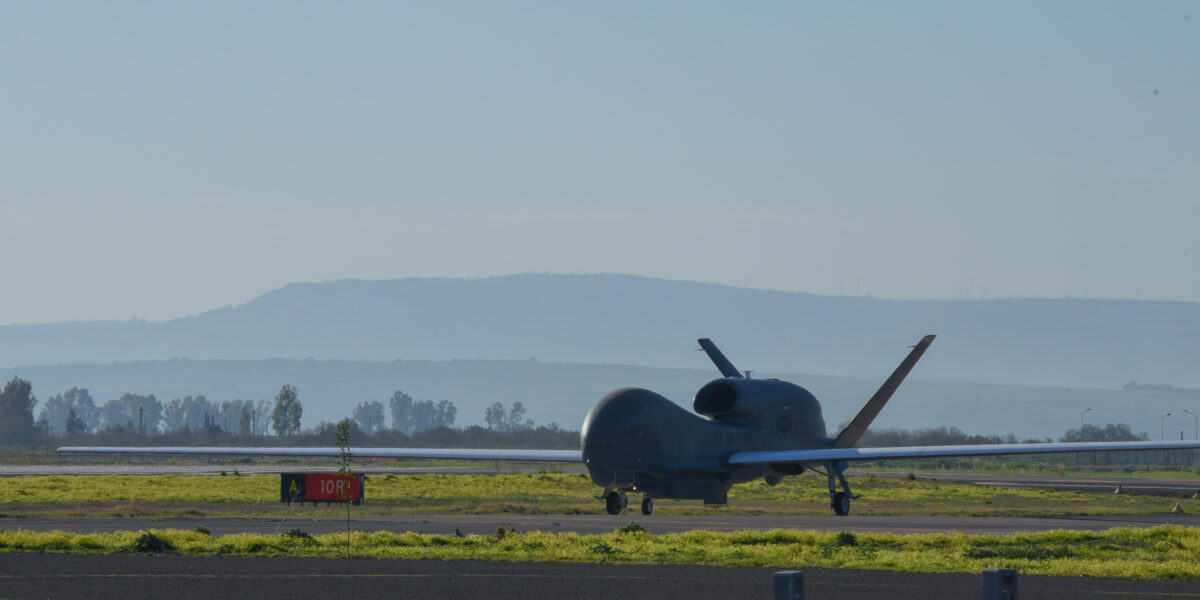
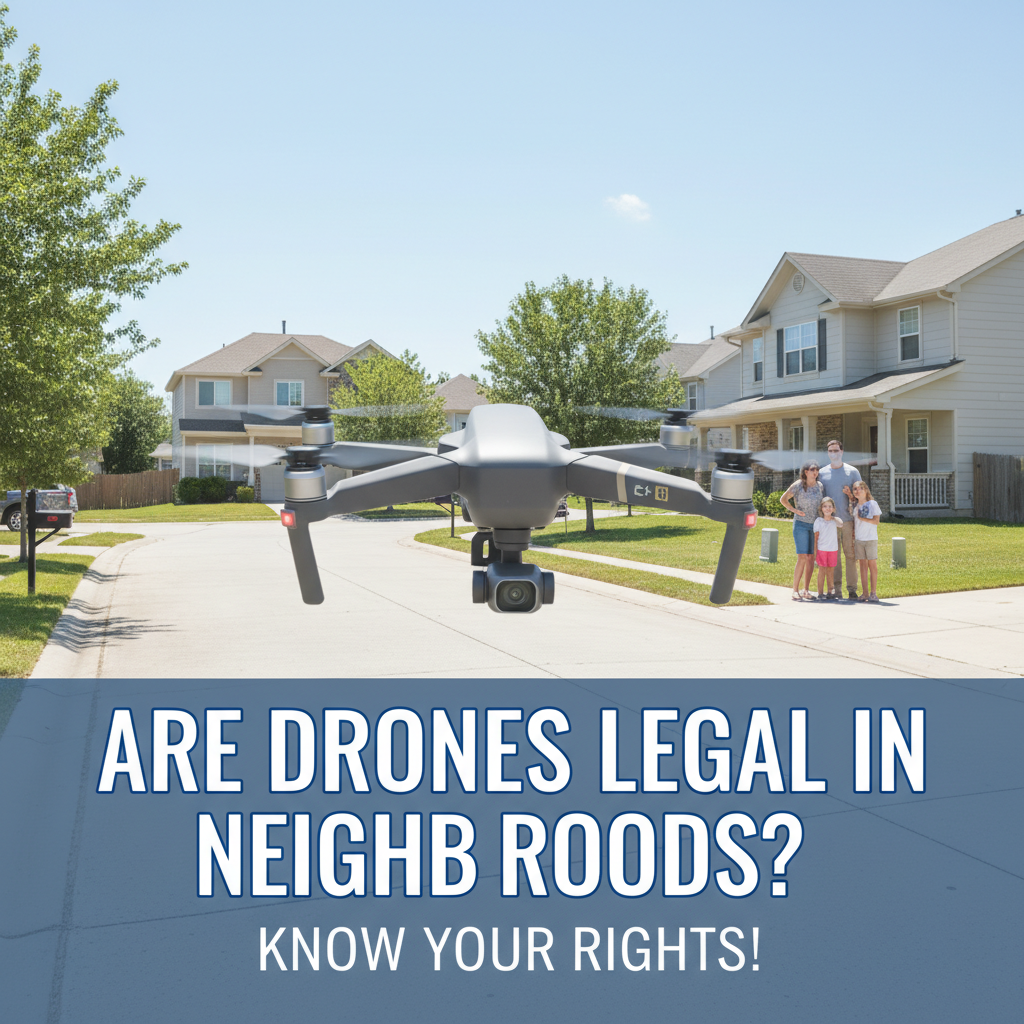
Drone laws affect residential areas differently than open spaces. Understanding the rules helps both drone operators and concerned neighbors know what’s permitted.
FAA Authority
The Federal Aviation Administration regulates airspace, including over your backyard. Federal law generally permits drone flight in uncontrolled airspace regardless of property lines. Local governments have limited authority to ban drones outright.
Registration Requirements
Drones over 250 grams must be registered with the FAA. A registration number must be displayed. Operating unregistered drones carries penalties. Recreational operators must pass an online test called TRUST.
Privacy Considerations
While drones may legally fly over neighborhoods, privacy laws still apply. Recording inside homes, harassment, and voyeurism remain illegal regardless of the recording method. Drones don’t create exemptions from privacy protections.
Local Ordinances
Some cities and HOAs have attempted drone restrictions. Federal preemption limits these rules’ enforceability. However, nuisance laws, noise ordinances, and existing regulations may still apply. Check local rules before flying.
Best Practices
Responsible operators avoid hovering over private property unnecessarily. Flying during reasonable hours and maintaining distance from people prevents conflicts. Good neighbor relations matter even when technical legality exists.
Concerned Residents
If a drone bothers you, document the activity and contact local authorities. Shooting down drones is illegal and dangerous. Property rights claims against airspace are generally unsuccessful. Communication with operators often resolves issues.
Future Regulation
Remote ID requirements take effect soon, making drone operators identifiable. Additional regulations are likely as drone use increases. The regulatory environment continues evolving rapidly.


Stay in the loop
Get the latest aviation news updates delivered to your inbox.