Today, I will share it all with you.
Lift Generation
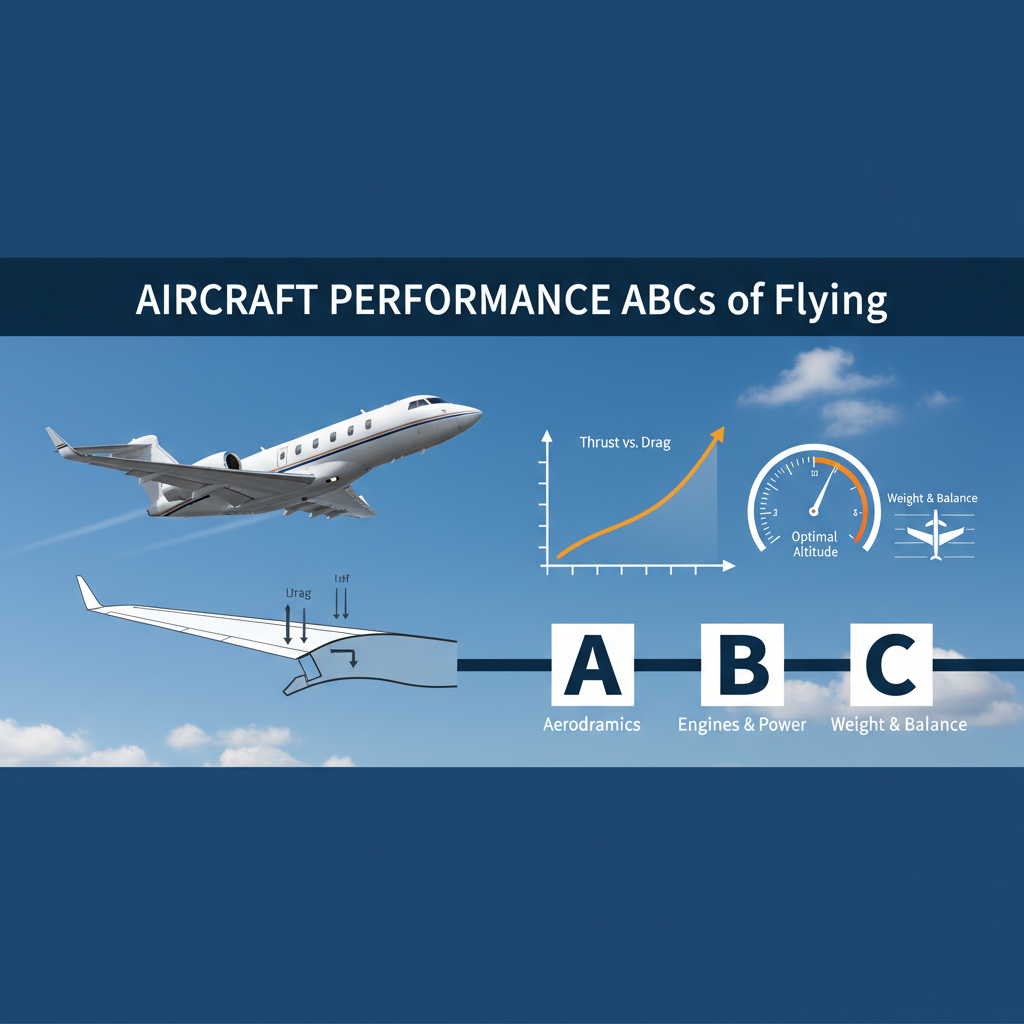
Wings create lift by moving through air at speed. The cambered upper surface accelerates airflow, creating lower pressure above the wing while slower air below maintains higher pressure — the pressure differential generates the upward force. More speed or more wing area generates more lift, which is why aircraft with smaller wings need more runway speed to fly. Don’t make my mistake of thinking faster is always better for lift — at least if you’re operating near stall speed, because at low speeds the wing angle of attack approaches the critical angle where airflow separates and lift collapses suddenly.
Drag Penalties
Everything that makes lift also makes drag. Bigger wings lift more but drag more. Speed increases both lift and drag, but induced drag (the drag produced as a consequence of generating lift) decreases with speed while parasite drag increases. Aircraft design constantly balances these competing effects — the minimum drag speed is where the curves cross, and that’s also where range is maximized. Efficiency means getting enough lift with minimum total drag at the operating conditions the aircraft actually flies in.
Thrust Requirements
Engines produce thrust to overcome drag and accelerate. Level flight at constant speed requires thrust equal to total drag. Climbing or accelerating needs excess thrust above what level flight requires.
Weight Effects
Heavier aircraft need more lift, which means more speed or a higher angle of attack. More weight requires more thrust for the same climb rate. Every pound of unnecessary weight reduces climb performance, increases fuel burn, and degrades every performance parameter proportionally. Weight reduction is a constant design goal because it improves every metric simultaneously — which is why composite materials, titanium fasteners, and carbon fiber control surfaces are worth their cost premium in aircraft where performance margins matter.
Density Altitude: The Performance Killer
Thinner air at altitude — or hot, humid air at sea level — reduces both lift and engine power because there are fewer air molecules per cubic foot for the wing to work with and the engine to process. Hot air is less dense than cold air. First, you should calculate density altitude before departing any airport above 3,000 feet on a warm day — at least if you’re flying a piston aircraft with moderate useful load, because the performance tables in the POH were tested at standard atmosphere conditions, and density altitude significantly above field elevation means your takeoff roll is longer and your initial climb rate is lower than the tables show. High-altitude airports in hot climates — Leadville, Colorado; Aspen, Colorado; airports in East Africa — present the most extreme performance challenges.
Altitude Trade-offs
Thinner air at cruise altitude reduces parasite drag, improving fuel efficiency and true airspeed for the same power setting. But thinner air also reduces lift and engine power. Aircraft have optimal altitudes where the efficiency of reduced drag best compensates for reduced engine output — that’s why turbocharged and turbine aircraft with altitude-compensating engines fly high while normally aspirated piston aircraft often find their sweet spot in the 8,000-10,000 foot range rather than maximum certificated altitude.
Practical Application
Pilots and dispatchers use performance calculations for every flight — weight and balance, takeoff distance, obstacle clearance, single-engine climb gradients, landing distance, and fuel to alternate. The physics determines what’s possible; the calculations determine whether the specific aircraft, loaded as it’s loaded, can safely accomplish the specific mission from the specific airport at the specific conditions that day. Operating safely means respecting these limitations rather than assuming the aircraft will perform as it did last week at a different airport in cooler weather.


Stay in the loop
Get the latest aviation news updates delivered to your inbox.