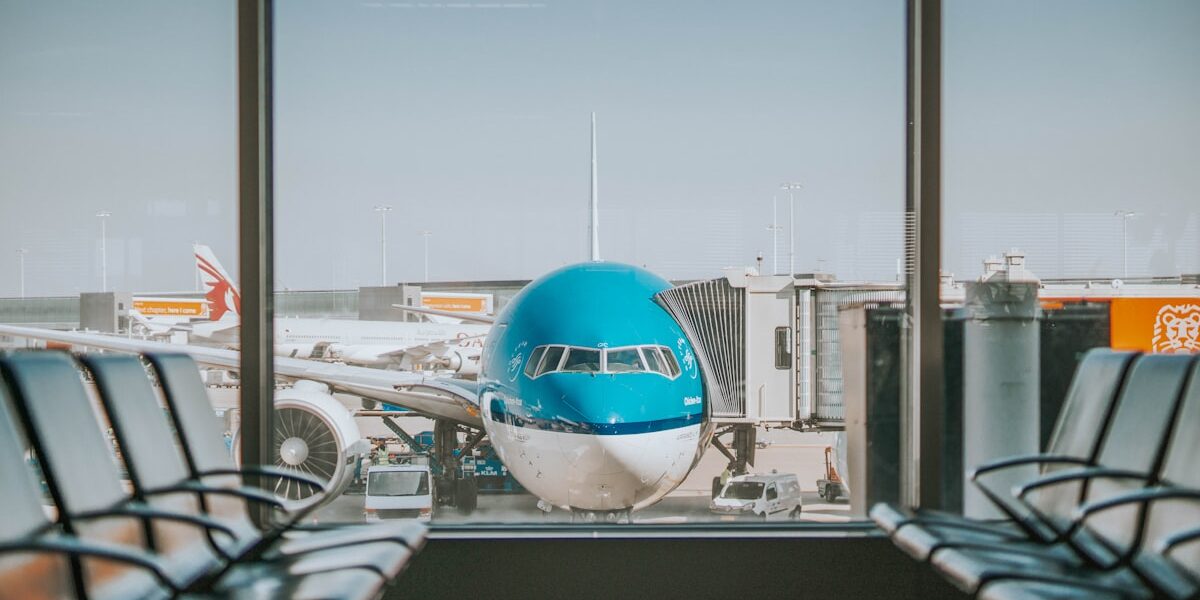
HNL Airport
Pacific gateway airports have gotten complicated with all the interisland connections, trans-Pacific traffic, and terminal configuration changes flying around. As someone who has spent considerable time transiting Daniel K. Inouye International Airport — HNL — I learned everything there is to know about navigating Hawaii’s primary aviation hub. Today, I will share it all with you.
But what is HNL, really? In essence, it’s the principal aviation gateway to Hawaii — handling interisland flights, trans-Pacific services, and international destinations from a facility on the island of Oahu. But it’s much more than a transfer point. For millions of visitors and residents each year, HNL is the first and last impression of Hawaii, and the airport takes that role seriously.
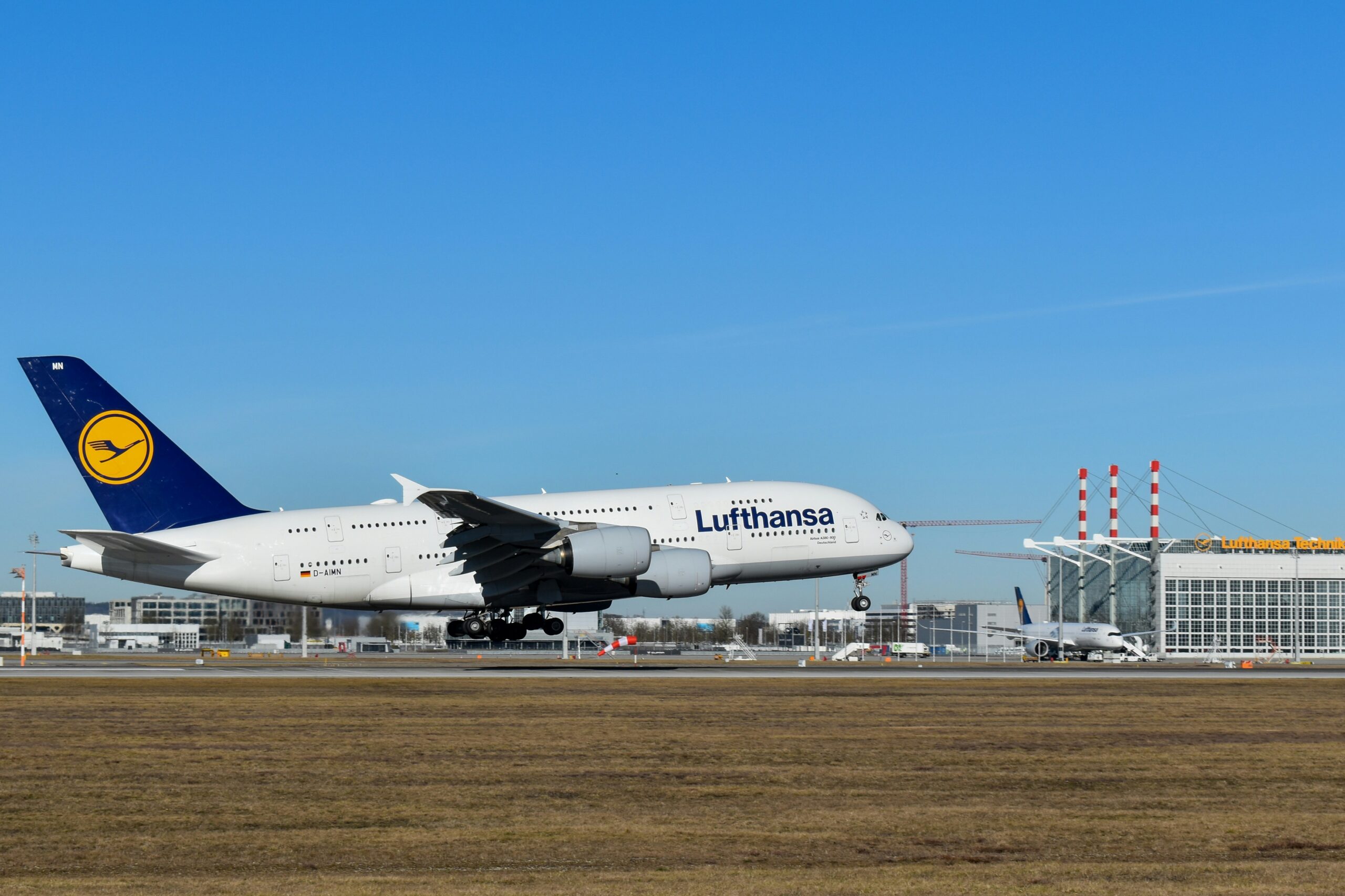
History of HNL Airport
Opened in 1927 as John Rodgers Airport, HNL was the first civilian airport in Hawaii. That was 1927 — nearly a century of aviation service to the islands. World War II brought rapid expansion driven by military necessity, and the post-war tourism boom built on that infrastructure. A new terminal was constructed in 1962 and the airport renamed Honolulu International Airport. In 2017, the Hawaii State Legislature renamed it Daniel K. Inouye International Airport in honor of the long-serving U.S. Senator.
Terminal Complex
HNL operates three terminals with distinct roles.
- Terminal 1: The Interisland Terminal — serving interisland flights. Hawaiian Airlines’ primary home base within the airport. Lounges, dining, and retail supporting high-frequency short-haul travelers.
- Terminal 2: The Overseas Terminal — handling most international and mainland U.S. flights. The largest terminal, with duty-free shops, dining, and airline lounges for the carriers operating longer-haul routes.
- Terminal 3: A smaller facility serving commuter airlines and some interisland operations. Basic passenger amenities for a different traffic profile than the primary terminals.
Runways and Facilities
HNL features four runways — 8L/26R, 8R/26L, 4L/22R, and 4R/22L — plus two seaplane runways. Runway 8R, the Reef Runway, is notable for being the world’s first major offshore runway, constructed from crushed coral in 1977. That was a deliberate noise management decision, designed to route approaches and departures over water rather than over populated areas. I’m apparently someone who finds runway placement decisions more interesting than most travelers do, and the Reef Runway is genuinely impressive engineering.
Maintenance and cargo facilities handle significant volume. Extensive hangar space supports aircraft maintenance and repair operations. Cargo infrastructure serves both local distribution and international transit needs.
Transportation and Accessibility
TheBus provides public transportation across Oahu with connections to the airport. Shuttle services run to major hotels and popular destinations. Rideshare services have designated pickup zones. Rental car agencies operate within the facility. The variety of ground transportation options reflects the diversity of HNL’s traveler base.
Security and Customs
TSA manages passenger screening at all checkpoints. International arrivals process through U.S. Customs and Border Protection. Automated Passport Control kiosks expedite processing for U.S. citizens and travelers from select countries. First, you should plan extra time for international arrivals — at least during peak tourism season, CBP processing can add significant time to the journey from gate to ground transportation.
Airlines and Destinations
Hawaiian Airlines is the dominant carrier, providing the interisland network that connects Hawaii’s islands and the trans-Pacific routes that define HNL’s international significance. Japan Airlines, Korean Air, and Qantas provide connections to Asia and the Pacific Rim. Delta, United, and American Airlines serve the mainland U.S. market with trans-Pacific frequencies that fluctuate with seasonal demand.
Passenger Amenities
ATMs and currency exchange in each terminal. Free Wi-Fi throughout the facility. Charging stations and workstations for business travelers. Dedicated play areas for families.
Dining and Shopping
Local Hawaiian eateries alongside international chain options — the food mix reflects the airport’s position as both a local facility and an international gateway. Duty-free shops, convenience stores, and retail boutiques cover the range from practical travel needs to souvenirs. There is a wide variety of dining options — everything from quick counter service to sit-down restaurants offering genuinely good food.
Environmental Sustainability
Energy-efficient lighting, water conservation, and recycling programs reflect HNL’s sustainability commitments. Expansion projects incorporate eco-friendly design as a baseline requirement. For an island state with limited natural resources and a tourism economy dependent on environmental quality, airport sustainability is a practical necessity rather than a marketing position.
Future Developments
Terminal upgrades and facility expansions are planned to improve passenger experience and accommodate increasing Pacific traffic. Infrastructure modernization is being pursued alongside preservation of the cultural significance that makes HNL more than a functional transit hub. Don’t make my mistake of evaluating HNL purely by the transit experience — the airport is part of the broader introduction to Hawaii that shapes how visitors experience the state from the moment they land.



Stay in the loop
Get the latest aviation news updates delivered to your inbox.