
As someone who has spent years studying how aircraft interact with the air they fly through — from basic student pilot ground school through advanced aerodynamics coursework — I learned everything there is to know about aerodynamic performance. Today, I will share it all with you.
But what is aerodynamic performance, really? In essence, it’s the measure of how efficiently an aircraft moves through the air — how well its design generates the lift it needs while minimizing the drag that works against it. But it’s much more than a set of physics equations. For pilots, engineers, and aviation enthusiasts, aerodynamic performance determines whether an aircraft is a joy to fly or a compromise at every speed and altitude.
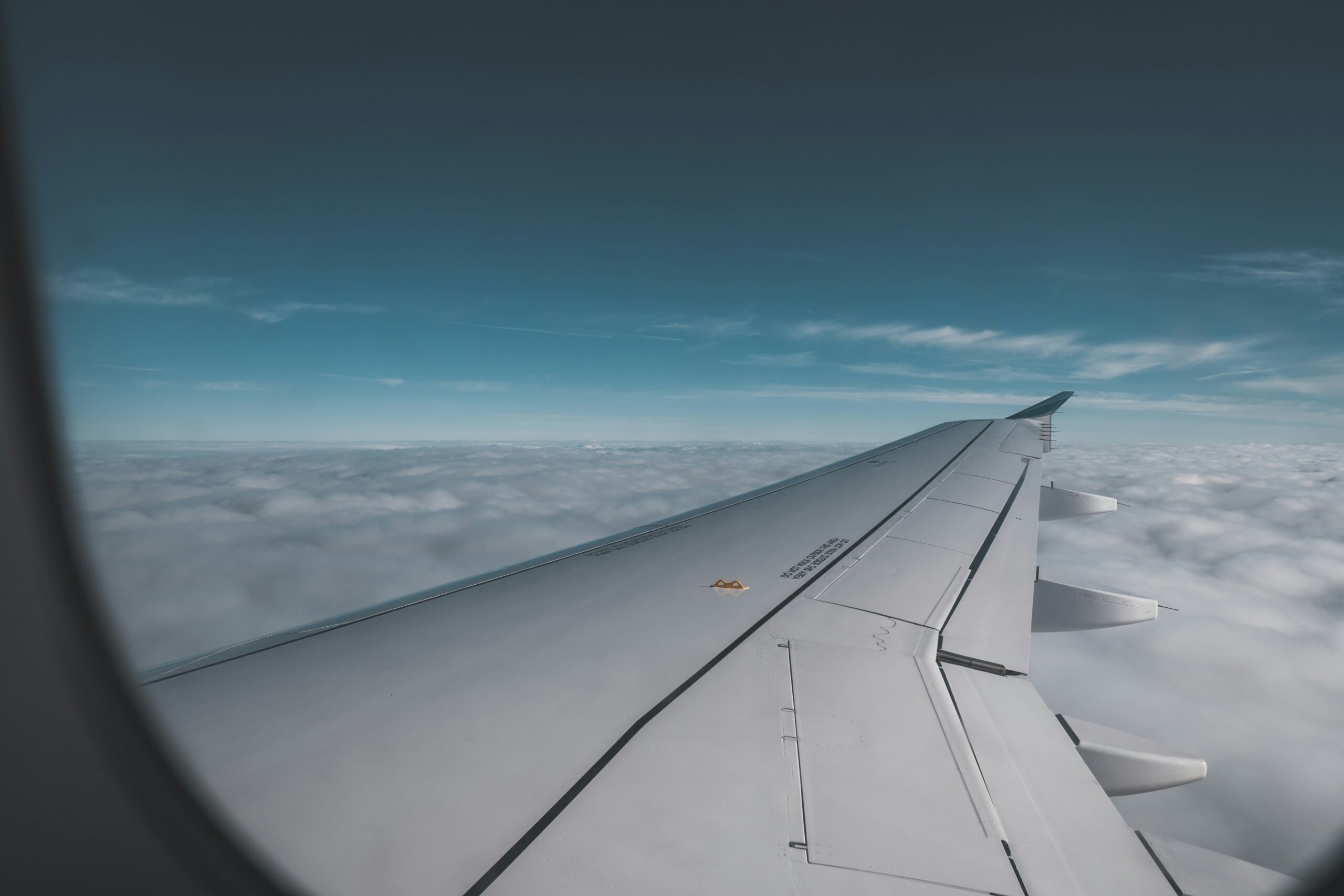
Lift and Weight
Lift is the essential aerodynamic force that makes flight possible — it counteracts gravity’s pull on the aircraft’s mass and keeps everything airborne. Wing shape, size, and angle of attack combine with airspeed to determine how much lift the wings produce. The relationship is elegant: increase the angle of attack and you generate more lift, up to the point where the airflow separates and the wing stalls. Designers spend enormous effort finding the wing geometry that produces adequate lift across the aircraft’s entire operating envelope without demanding excessive angle of attack at low speeds.
Drag and Thrust
While lift opposes weight, drag opposes thrust — and reducing drag is where most of the interesting aerodynamic engineering happens. Parasitic drag increases with the square of speed, which is why high-speed aircraft have to be extraordinarily clean. Induced drag, the byproduct of generating lift, dominates at lower speeds and higher angles of attack. The tradeoff between parasitic and induced drag defines the aircraft’s aerodynamic sweet spot.
Stability and Control
Stability determines whether an aircraft returns to its trimmed flight condition after a disturbance without pilot input. Control determines how effectively the pilot can direct the aircraft’s attitude. Both are engineered into the airframe through the placement and sizing of tail surfaces, the wing’s position relative to the center of gravity, and the design of control surfaces. Don’t make my mistake of treating stability and control as opposing goals — a well-designed aircraft provides both, with stability in the cruise regime and responsive control authority when maneuvering is required.
Maneuverability
Maneuverability is the aircraft’s ability to change flight path and attitude quickly and efficiently. Military fighters prioritize maneuverability to the point of deliberate aerodynamic instability — fly-by-wire systems compensate for what would otherwise be unflyable dynamics. Commercial aircraft prioritize stability and efficiency over maneuverability, though adequate control authority to handle turbulence and crosswind landings remains essential. The performance envelope defines what maneuvers the aircraft can execute within its structural and aerodynamic limits.
Airframe Design and Materials
The shape and configuration of the airframe determine its aerodynamic efficiency. Smooth, streamlined designs reduce parasitic drag — every protrusion, gap, and surface irregularity adds friction and pressure drag. Probably should have emphasized this earlier: the materials revolution in aviation has been as significant as the aerodynamic design revolution. Composite materials enable wing designs that weren’t manufacturable in aluminum — higher aspect ratios, more complex airfoil profiles, and aeroelastic tailoring that makes the wing deform in ways that improve performance rather than fighting it.
Environmental Conditions
Air density, which varies with altitude, temperature, and humidity, directly affects all aerodynamic forces. Thinner air at altitude offers less drag — aircraft cruise efficiently at altitude partly for this reason — but also generates less lift, requiring higher true airspeed to maintain the same indicated airspeed. High-density altitude conditions at hot, high airports reduce the lift available at a given airspeed and reduce engine thrust simultaneously. That combination is where aerodynamic performance margins get consumed in ways that matter operationally.
Speed and the Flight Envelope
Different aircraft are optimized for different flight envelopes. A glider optimizes for maximum lift-to-drag ratio at low speeds. A supersonic fighter operates at conditions where compressibility effects dominate and the aerodynamics change fundamentally at the transonic transition. Commercial jets optimize for the cruise regime — typically around Mach 0.82-0.85 where the engines, aerodynamics, and range requirements intersect at the lowest operating cost per seat-mile. Understanding the flight envelope means knowing where the aircraft performs well and where its margins become thin.
The Impact on Efficiency
Aircraft efficiency — fuel consumption, range, payload capacity — is fundamentally an aerodynamic outcome. Better aerodynamics reduce the thrust required to maintain cruise speed, which reduces fuel burn, which extends range and reduces operating cost. The efficiency improvements in commercial aviation over the past six decades have been driven by aerodynamics as much as by engine technology. The two interact: cleaner aircraft require less thrust, which allows engines to be optimized for a different operating point, which changes the aerodynamic requirements for the installation. First, you should understand that these improvements compound — at least if you’re looking at the total reduction in fuel consumption per passenger-mile over time, the numbers are remarkable.


Stay in the loop
Get the latest aviation news updates delivered to your inbox.