
Aviation Conferences: Where the Industry Actually Moves
Aviation conferences have gotten complicated with all the virtual format hybrid debates, sustainability panel proliferation, and static display versus flying display arguments flying around. As someone who has spent years attending aviation conferences — from Oshkosh’s sprawling week-long celebration to focused technical symposia — I learned everything there is to know about what these events actually deliver. Today, I will share it all with you.
But what is an aviation conference, really? In essence, it’s a convening of the people who design, build, operate, regulate, and fly aircraft — brought together to exchange information, announce developments, and conduct the business relationships that move the industry forward. But it’s much more than a networking event. For engineers, pilots, executives, and enthusiasts, conferences are where the aviation industry’s conversation happens at a density and pace that no other format replicates.
Key Benefits of Attending
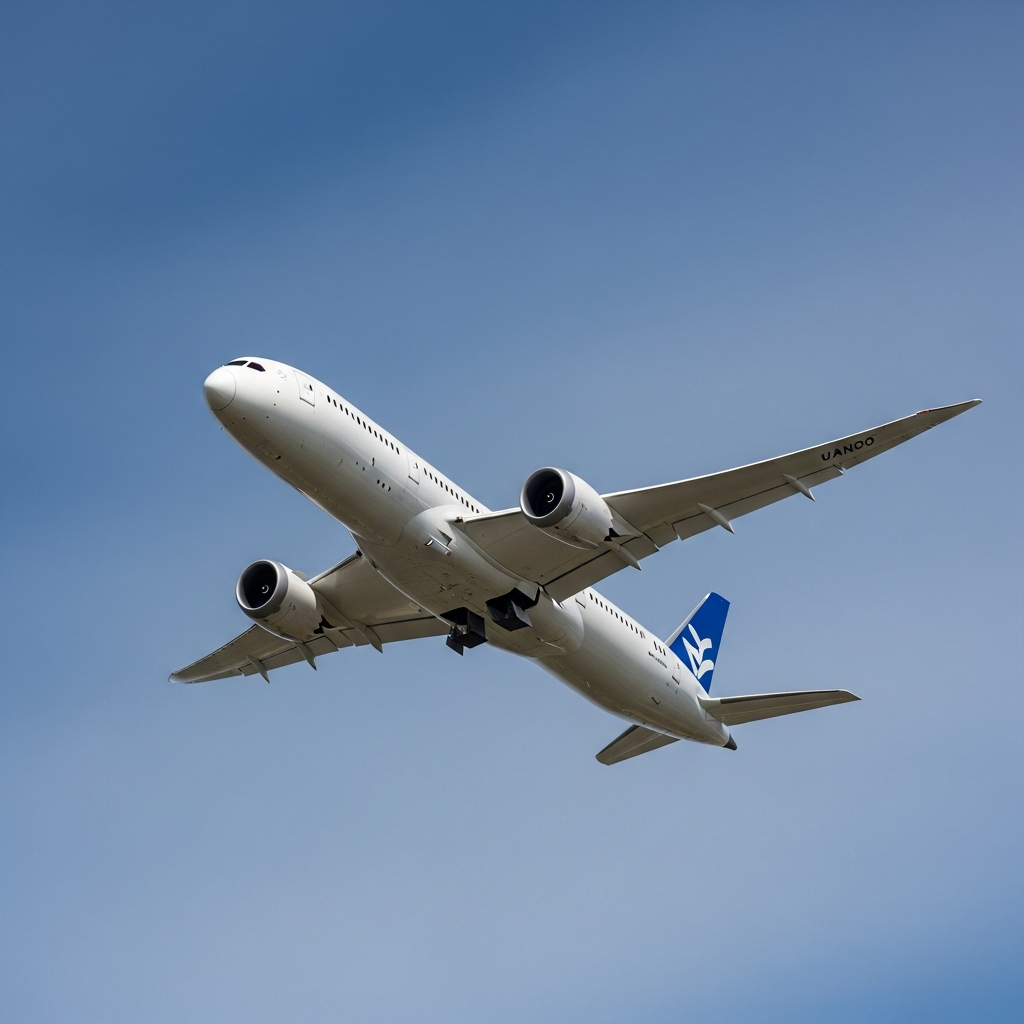
Staying current with the actual state of the industry — not the filtered version that reaches you through trade publications or manufacturer press releases — is the primary benefit. Conferences put you in the same room as the people making decisions, which creates access to information and perspective that doesn’t exist anywhere else. Networking with peers creates relationships that pay dividends long after the conference ends. The density of expertise in a conference environment means more learning in a few days than months of independent reading would deliver.
Types of Aviation Conferences
Technical conferences focus on specific domains — aerodynamics, avionics systems, propulsion, materials science. The AIAA events fall in this category: deep technical content for engineers and researchers rather than broad industry coverage. Commercial conferences address airline operations, fleet decisions, market analysis, and business strategy — IATA events and airline industry summits. Safety conferences — Flight Safety Foundation events, ICAO working groups — focus on accident investigation findings, safety management systems, and regulatory developments. Environmental conferences address sustainable aviation fuel, carbon accounting, and the regulatory frameworks being imposed across major aviation markets. The type you attend should match the knowledge you need.
Notable Aviation Conferences
The Paris Air Show, held every two years at Le Bourget, is where the aerospace industry’s major manufacturers announce new orders, unveil products, and demonstrate flying capability in front of the global aviation press. Farnborough International Airshow alternates with Paris in the biennial air show cycle, with a similar mix of static displays, flying demonstrations, and business meetings. EAA AirVenture Oshkosh is the world’s largest aviation celebration — a week in Wisconsin in late July that draws over 600,000 attendees and more aircraft than any other event on earth.
NBAA-BACE is the business aviation community’s annual gathering — aircraft management, charter operations, avionics, completions, and the regulatory issues specific to business aviation. It alternates between Las Vegas and other major venues and is the event where business aviation’s key relationships and decisions happen. FAA safety seminars and Wings program events operate at the local level throughout the year, providing recurrent training credit and safety information to general aviation pilots who can’t or don’t attend the major industry events.
Impact on the Industry
Major aircraft orders are announced at air shows — the Paris Air Show order books represent billions in committed business. Research findings that have been developed in isolation reach practitioners who can apply them. Regulatory proposals get discussed with the affected community before they’re finalized. Safety improvements that result from conference-driven knowledge sharing are real, even if they’re impossible to count precisely. Don’t make my mistake of treating aviation conferences as purely social events — the content matters, and the relationships built at conferences often become the pathways through which safety-critical information moves through the industry.
Recent Trends
Virtual formats expanded conference accessibility during COVID and have remained as hybrid components for major events — useful for reaching participants who can’t justify travel to in-person events. Sustainability has moved from a specialty track to a central theme at most major aviation conferences, reflecting the regulatory and economic pressure the industry faces on carbon emissions. Advanced air mobility — electric aircraft, urban air taxis, autonomous systems — has generated its own conference ecosystem alongside the traditional events. The technology showcase component of major conferences has evolved as the technology itself has evolved.
How to Get Maximum Value
Review the session schedule before you arrive and identify the specific content that addresses your current professional priorities — trying to attend everything results in attending nothing effectively. Plan your networking targets in advance: identify who you want to meet, research their work and interests, and reach out before the event if possible. Exhibition halls reward focused attention rather than random wandering — know which companies and technologies you want to evaluate and approach those exhibits with specific questions. Workshops provide structured learning that general sessions don’t; if hands-on experience with a specific technology is available, prioritize it. Also worth noting is that the conversations that happen in hallways, at meals, and at evening events often carry more practical value than the formal sessions — the informal information exchange at a conference is where the real industry conversation happens.
Recommended Aviation Gear
This section includes affiliate links. We may earn a commission at no extra cost to you.
David Clark H10-13.4 Aviation Headset
The industry standard for aviation headsets.
$376.95
Check Price on AmazonPilots Handbook of Aeronautical Knowledge
Essential FAA handbook for every pilot.
$25.42
Check Price on Amazon

Stay in the loop
Get the latest aviation news updates delivered to your inbox.