
Aviation Conferences: Bridging the Industry
Industry events have gotten complicated with all the hybrid formats, specialized summits, and competing calendars flying around. As someone who has spent years following aviation industry developments and the conferences where those developments get announced, debated, and decided, I learned everything there is to know about aviation conferences and why they matter. Today, I will share it all with you.
But what does an aviation conference actually do? In essence, it concentrates the people, information, and deal-making that move the industry forward into a single time and place. But it’s much more than a trade show. The regulatory decisions, technology adoptions, and business relationships that shape aviation’s next decade get their foundation at events like these.
What to Expect at Aviation Conferences
The agenda structure is consistent across major events: keynote speeches from industry leaders, panel discussions with working experts, workshops focused on specific skills or operational topics, technology exhibits, and the networking sessions where the informal conversations happen that often matter more than the formal programming.
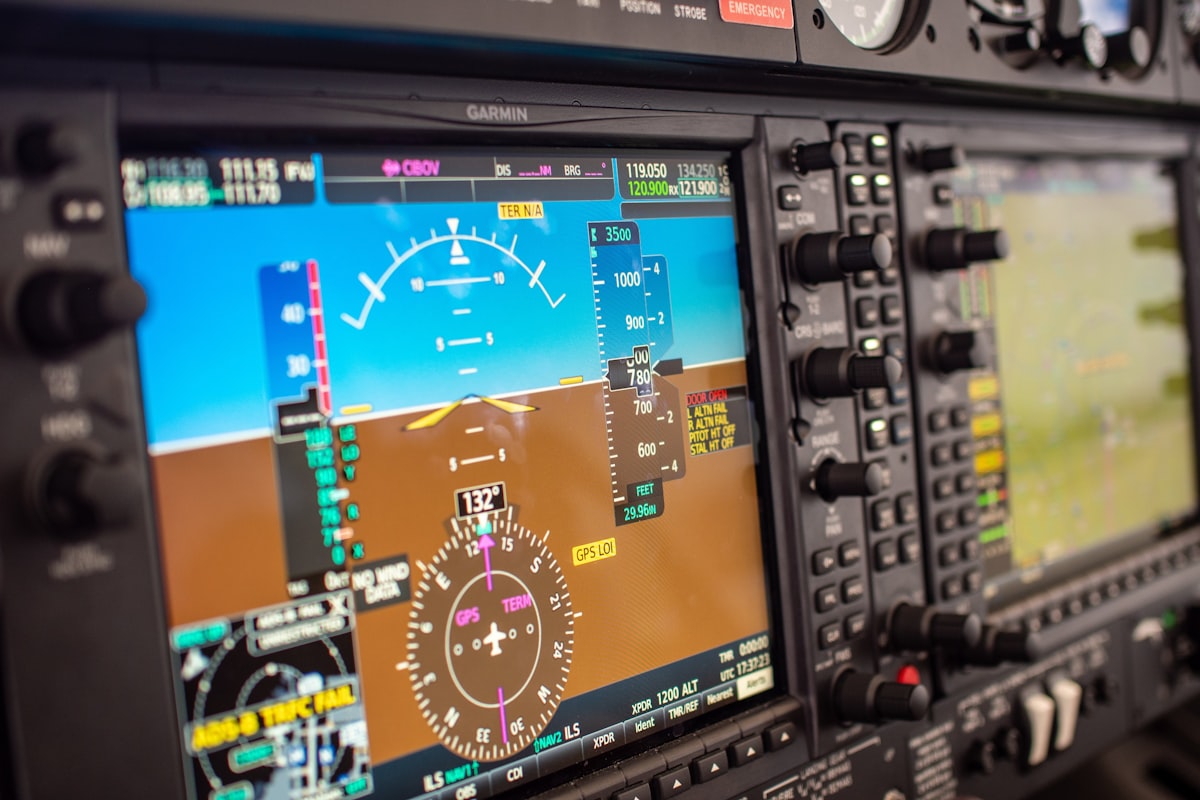
Keynote Speeches and Panels
They’re talking about regulatory changes that will affect your operation next year, technology implementations that are already in service elsewhere in the world, and strategic directions from the people who actually set those directions. Panels bring multiple perspectives on critical topics — safety, sustainability, fleet decisions, labor relations — in a format that produces genuine debate rather than scripted talking points.
Workshops
Workshops are where the conference moves from information delivery to skills application. Maintenance best practices, new compliance procedures, technology implementation challenges — these sessions are participatory and practical in a way that keynotes can’t be.
Notable Annual Aviation Conferences
- Farnborough International Airshow
- EBACE (European Business Aviation Convention & Exhibition)
- NBAA-BACE (National Business Aviation Association – Business Aviation Convention & Exhibition)
- ERA (European Regions Airline Association) General Assembly
- World Aviation Training Summit (WATS)
Farnborough International Airshow
Farnborough is biennial, held in the UK, and among the largest and most prestigious events on the aviation calendar. It combines a major trade exhibition for aerospace and defense with an airshow that draws both industry professionals and the public. Aircraft orders announced at Farnborough routinely move manufacturer stock prices — the event carries genuine commercial weight, not just spectacle.
EBACE
EBACE is Geneva-based and focused entirely on business aviation. Executives, government officials, manufacturers, flight department operators — the full ecosystem of business aviation gathers here annually. I’m apparently someone who finds business aviation economics more interesting than most aviation enthusiasts do, and EBACE is the conference where the business aviation industry takes its annual temperature.
NBAA-BACE
The NBAA Business Aviation Convention & Exhibition is one of the largest business aviation events globally. Held in the United States, it offers an extensive exhibit floor, educational sessions covering every aspect of business aviation operations, and networking that connects the full supply chain from operators to FBOs to avionics manufacturers. The scale of the event makes it a reliable barometer of the sector’s health.
ERA General Assembly
ERA’s General Assembly provides regional airline operators in Europe with a dedicated platform. Policy issues affecting European regional aviation, technology developments relevant to regional operations, and cross-operator discussions of shared challenges — this is the event where European regional aviation’s regulatory and operational agenda gets shaped collaboratively.
World Aviation Training Summit
WATS is the largest aviation training event in the world. Training standards, simulation technology, regulatory alignment across training requirements, and the emerging role of automation in training design — the organizations that train pilots, cabin crew, and maintenance technicians treat this event as essential. Don’t make my mistake of treating training conferences as lower-priority than aircraft or operations events. The training pipeline is where aviation’s safety record starts.
Benefits of Attending Aviation Conferences
The benefits are real and compound across attendance. Staying current on regulatory changes that will affect your operation. Building relationships with vendors, peers, and potential employers or partners. Honing specific skills through workshop participation. Identifying technology or processes that are working elsewhere before your competition finds them. There is a wide variety of return on conference investment — everything from a single vendor relationship that saves you six figures annually to a regulatory update that helps you avoid a compliance problem three months later.
Future of Aviation Conferences
Hybrid formats combining in-person attendance with virtual access have expanded the audience for major events. Attendees who can’t travel to Geneva or Farnborough can participate in programming that was previously geographically restricted. Virtual reality and immersive remote participation technology will likely expand what’s possible for remote attendees — though the informal networking component that happens in hallways and at dinners remains difficult to replicate digitally.
Getting the Most Out of Conferences
- Plan your schedule before you arrive. The programming at major events is dense enough that showing up without a plan means missing things that matter to your specific role.
- Identify the three to five sessions most relevant to your current challenges and prioritize those before filling in with general interest content.
- Network actively — not just with people you already know, but with people doing work adjacent to yours that you haven’t met yet. Follow up with contacts within 48 hours while the conversations are still fresh.
- Take notes during sessions. Not so you can review a transcript later, but so that the act of writing reinforces retention and generates questions.
- Engage with exhibitors. New technology and services often get first demonstrations at these events before broader availability.
Aviation conferences are where the industry thinks out loud collectively. Whether you’re a pilot, a maintenance professional, an airline operations manager, or a manufacturer’s representative, the value of participating in that collective thinking — and contributing to it — compounds across every year you attend.
Recommended Aviation Gear
This section includes affiliate links. We may earn a commission at no extra cost to you.
David Clark H10-13.4 Aviation Headset
The industry standard for aviation headsets.
$376.95
Check Price on AmazonPilots Handbook of Aeronautical Knowledge
Essential FAA handbook for every pilot.
$25.42
Check Price on Amazon

Stay in the loop
Get the latest aviation news updates delivered to your inbox.