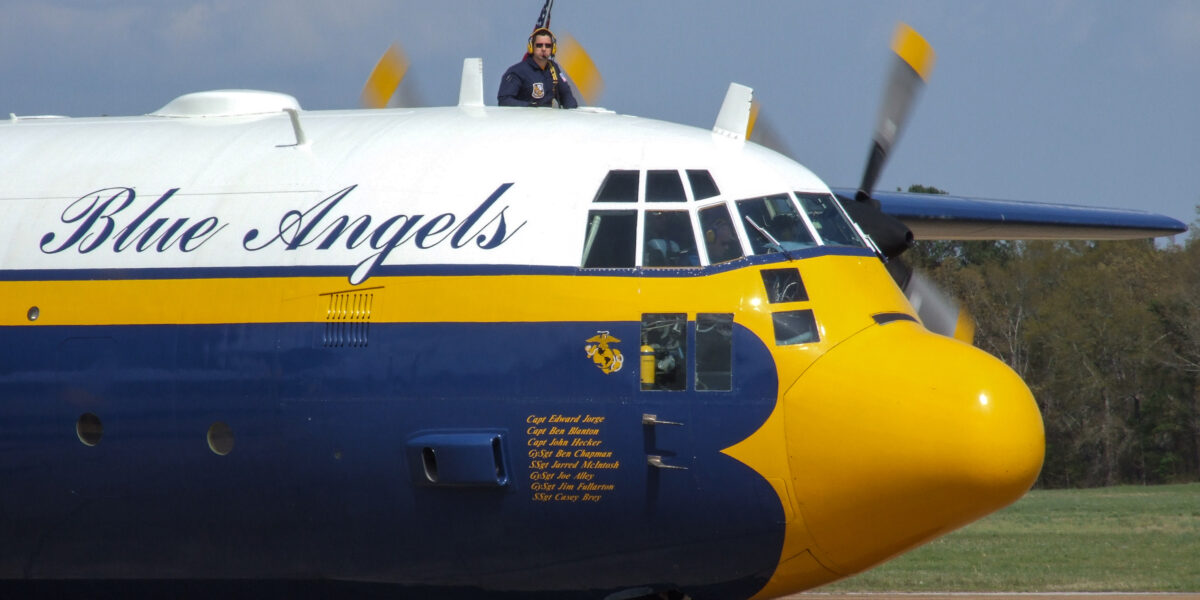
The MD-11: FedEx’s Workhorse
FedEx MD-11 operations have gotten complicated with all the “why does FedEx keep flying a trijet when everyone else retired them” debates, the payload-range economics questions versus newer twin-engine freighters, and “what does the MD-11’s second life as a cargo aircraft say about aircraft design and market timing” conversations flying around. Today, I will share it all with you.
But what makes the MD-11 so central to FedEx’s operations, really? In essence, it’s an aircraft whose passenger career was cut short by performance shortfalls on the routes airlines bought it for, but whose payload capacity and range fit the FedEx long-haul cargo network so well that the company became one of the world’s largest operators — finding the application the aircraft was actually suited for even when its original intended use didn’t pan out. But it’s much more than a story of repurposing. For cargo aviation analysts, the MD-11’s longevity in FedEx service demonstrates how differently cargo operations evaluate aircraft economics compared to passenger airlines, and how an aircraft can be commercially successful in one market even when it failed in the one it was designed for.
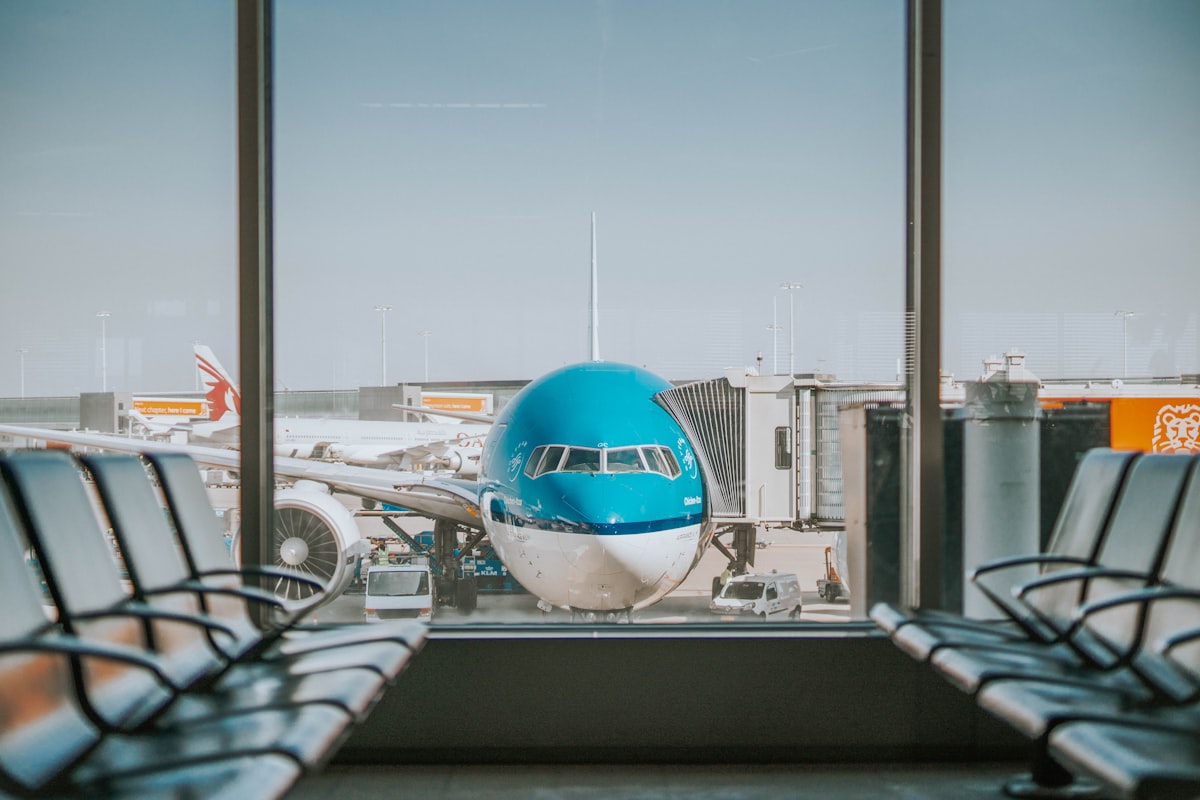
Development and FedEx’s Fleet
McDonnell Douglas developed the MD-11 as a DC-10 successor with a longer fuselage, upgraded Pratt and Whitney PW4460 or General Electric CF6-80C2 engines, and improved aerodynamics. The tri-jet layout — two engines under the wings and one at the tail — is the MD-11’s most visually distinctive feature and the design element that most directly affects its operational economics. When ETOPS certification expanded dramatically in the 1990s, enabling twins to fly transoceanic routes that once required three or four engines, the economic case for trijets in passenger service collapsed. FedEx, operating shorter sectors at higher frequencies with cargo weight driving economics rather than passenger comfort, found the MD-11’s payload capacity more relevant than its fuel efficiency disadvantage relative to modern twins.
Role in FedEx Fleet
FedEx operates one of the largest MD-11 fleets in the world, with the MD-11F freighter variant carrying up to approximately 200,000 pounds of cargo. The aircraft’s range connects FedEx hubs across continents on direct routing that avoids intermediate stops — a network advantage that reduces transit time and handling complexity. Don’t make my mistake of evaluating the MD-11’s economics purely on fuel burn per flight hour — at least if you’re analyzing why FedEx continues to operate it, because the relevant metric for FedEx is cost per pound-mile delivered on specific routes, and on the long-haul hub connections where the MD-11 operates, its payload capacity and direct routing produce competitive economics despite the three-engine fuel cost.
Cargo Conversions and Operational Design
FedEx converted several MD-11s from passenger configuration to full freighters, removing passenger seating, reinforcing the floor structure for freight loading, and installing cargo handling systems with large loading doors. The wide fuselage accommodates diverse cargo including oversized items and standard freight containers. The efficient loading and unloading design minimizes ground time — critical for a carrier with tight delivery schedules and aircraft utilization targets that require fast turnarounds at hub airports.
Technological Upgrades
Over decades of service, FedEx has updated the MD-11’s avionics to meet current standards. Enhanced navigation and communication systems improve situational awareness and route efficiency. These upgrades extend the aircraft’s operational life while maintaining regulatory compliance with evolving airspace requirements.
Transition to Boeing 777F
As FedEx modernizes its fleet, the MD-11 is gradually being phased out in favor of Boeing 777 freighters that offer improved fuel efficiency and comparable payload capability. The 777F’s twin-engine configuration reduces fuel burn and maintenance complexity relative to the three-engine MD-11. First, you should understand that the MD-11’s retirement timeline is driven by lifecycle economics rather than operational inadequacy — at least if you’re analyzing FedEx’s fleet strategy, because the aircraft continues to meet operational requirements, but the fuel cost differential versus modern twins compounds over millions of flight hours into a cost that eventually justifies the capital investment in replacement aircraft.



Stay in the loop
Get the latest aviation news updates delivered to your inbox.